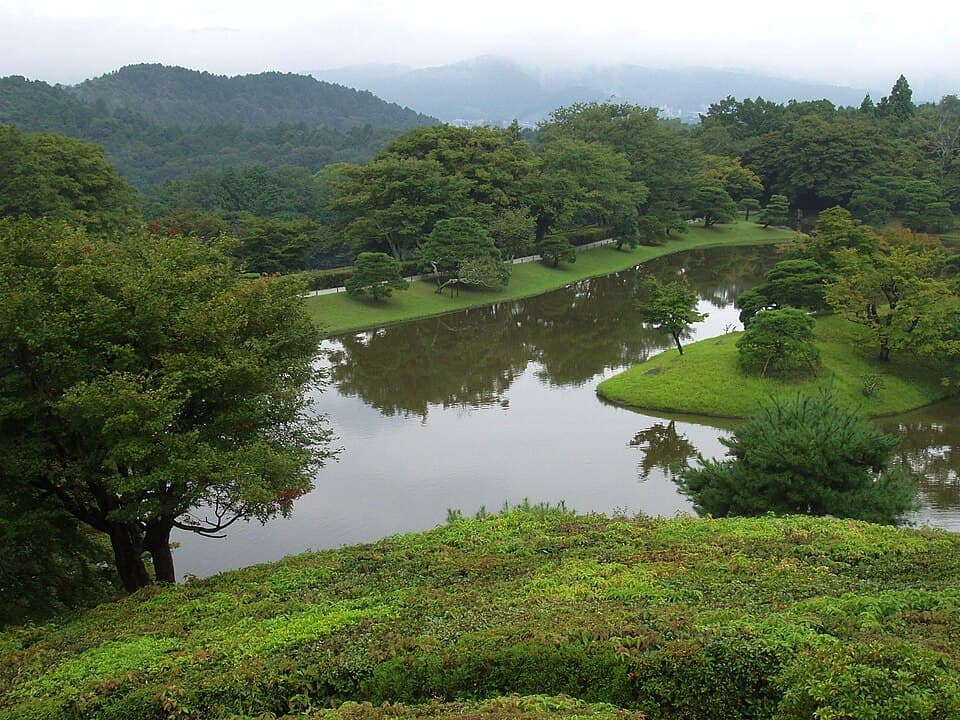
修学院離宮
Perched in the eastern hills of Kyoto, the Shugakuin Imperial Villa is a sweeping hillside retreat where carefully composed ponds, pathways and outbuildings unfold like a living work of art. A visit lets you stroll masterpiece gardens and soak in the quiet, imperial atmosphere that shaped centuries of Japanese aesthetics.
Ad · Contains Klook affiliate links
修学院離宮 tickets & tours
Compare and book local tickets, experiences and tours.
Plan Next
Use 修学院離宮 as your next travel step
Move from this spot into stay recommendations, trip saving, or nearby exploration without starting from scratch.
Stay Result
Save 修学院離宮 to your trip
Add this spot first so you can combine it with other places before you search again.
Start hotel search with 修学院離宮
If you already added other spots, the button below reuses that mix for hotel planning.
最後核實日期: 2026-04-07
附近景點
適合安排在同一天、不會明顯拉長交通時間的周邊景點。
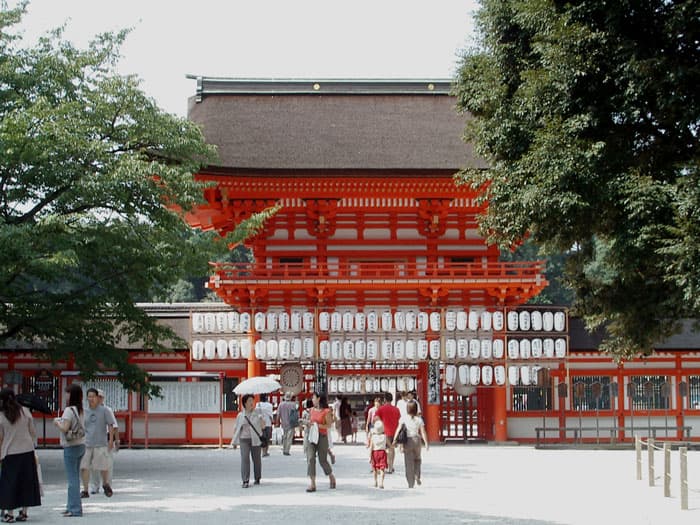
下鴨神社
Step into Shimogamo Shrine (Kamo-mioya Shrine), one of Japan’s oldest Shinto sanctuaries and a UNESCO World Heritage site whose peaceful grounds have watched over Kyoto since the 6th century. Wander the tranquil precincts, admire classical shrine architecture, and feel the deep sense of history that ties this ancient Kamo complex to the life of the city.
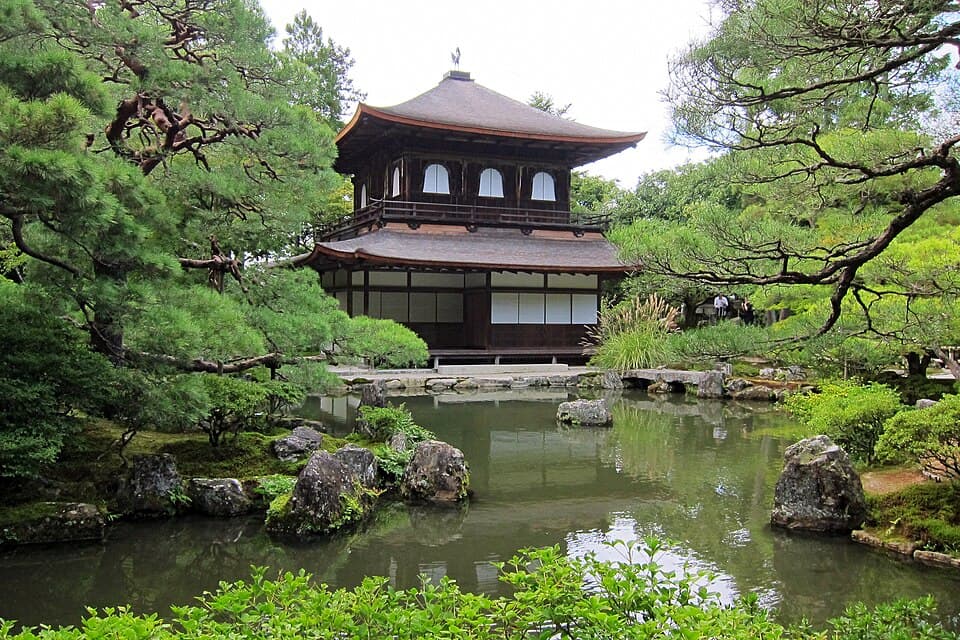
銀閣寺
Perched on Kyoto’s eastern hills, Ginkaku-ji (Jishō-ji) is a quiet Muromachi-era Zen temple that helped define the refined Higashiyama culture. Stroll its mossy paths and raked-sand gardens, admire the understated Silver Pavilion, and soak in the calm views over Kyoto for a moment of contemplative beauty.
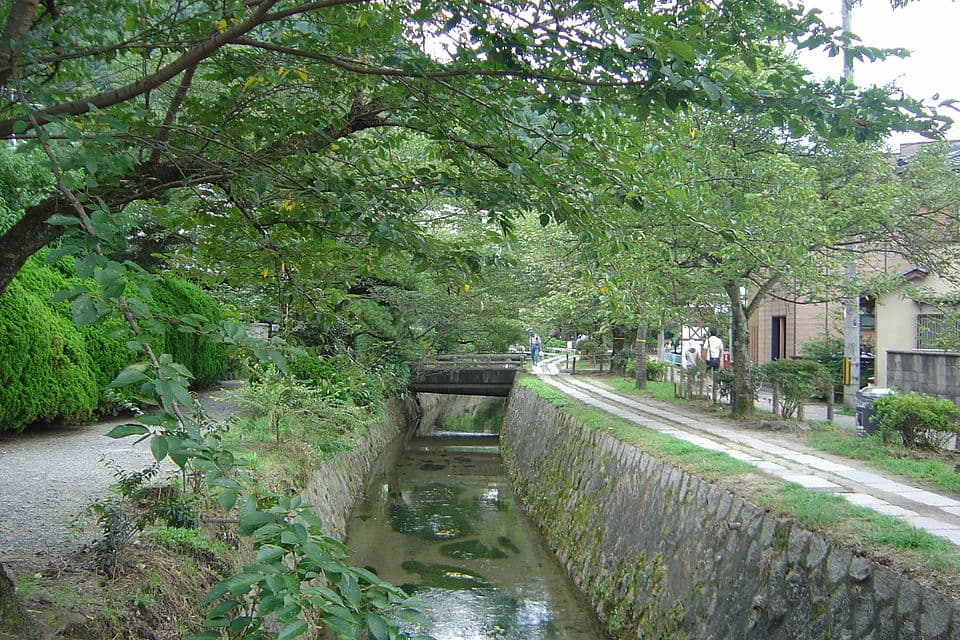
哲学の道
Stroll the peaceful, cherry-tree-lined canal path between Ginkaku-ji and Nanzen-ji, where seasonal blossoms and quiet waters invite reflection; the walk follows a historic irrigation channel linked to the Lake Biwa Canal. Spend an hour or two wandering teahouses, photogenic bridges and benches that make perfect pauses for photos and contemplation.
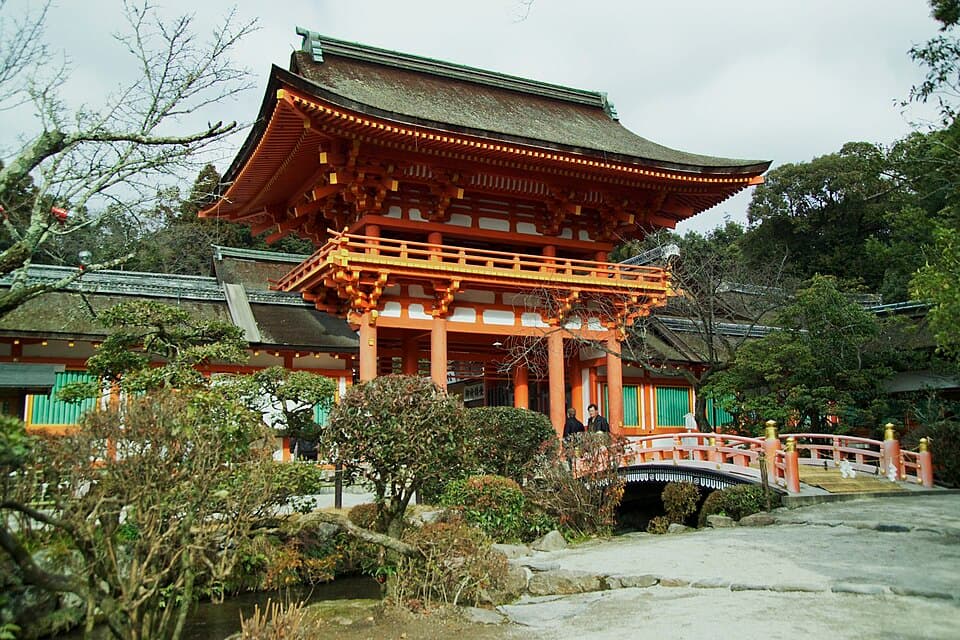
上賀茂神社
Perched on the banks of the Kamo River in north Kyoto, Kamigamo Shrine (formally Kamo-wakeikazuchi Shrine) has welcomed worshippers since 678. Stroll its peaceful, tree-lined grounds to admire ancient Shinto architecture and, if you time it right, glimpse traditional ceremonies and seasonal festivals that bring Japan’s past to life.
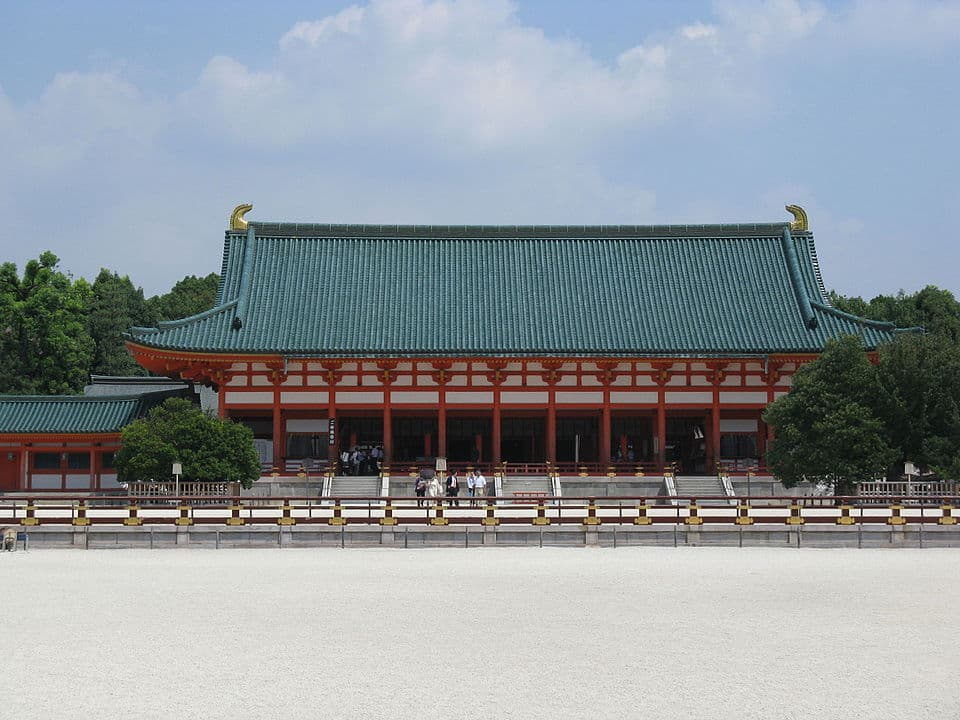
平安神宮
Heian Shrine in Kyoto’s Sakyō ward is a distinguished Shinto complex officially ranked as a Beppyō Jinja and protected as an important cultural property of Japan. Visitors can stroll its tranquil precincts, admire the traditional shrine architecture and seasonal scenery, and soak up a palpable sense of Kyoto’s living history.
大阪・關西熱門景點
如果你還在考慮先去大阪・關西的哪一個代表景點,這些地方很適合比較。
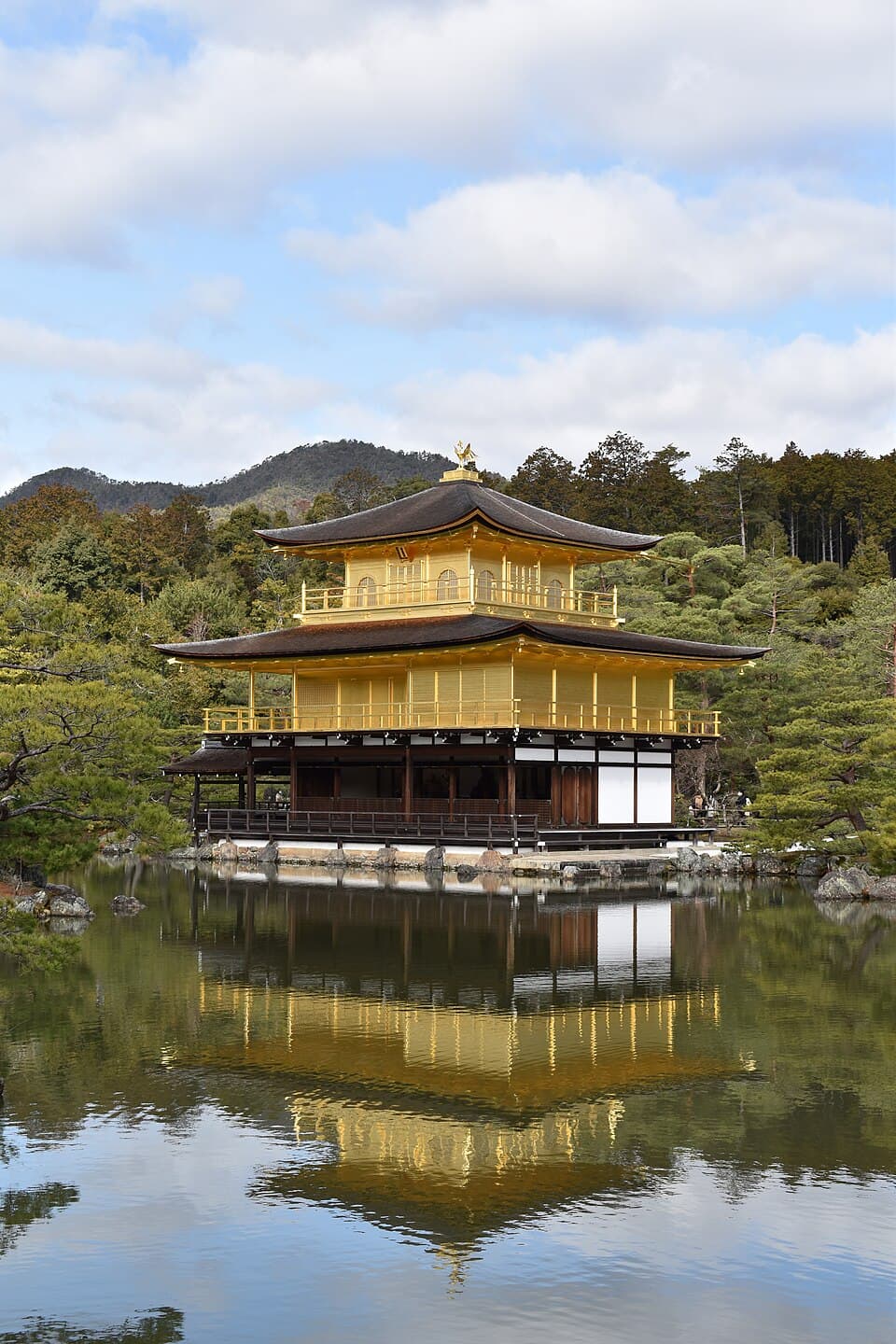
金閣寺
Kinkaku-ji’s gleaming Golden Pavilion, its top two floors sheathed in thin gold leaf, appears to float above a mirror-like pond — an image that defines Kyoto’s timeless beauty. Stroll the peaceful paths, soak up the Zen atmosphere, and capture seasonal moments from cherry blossoms to fiery autumn leaves reflected in the water.
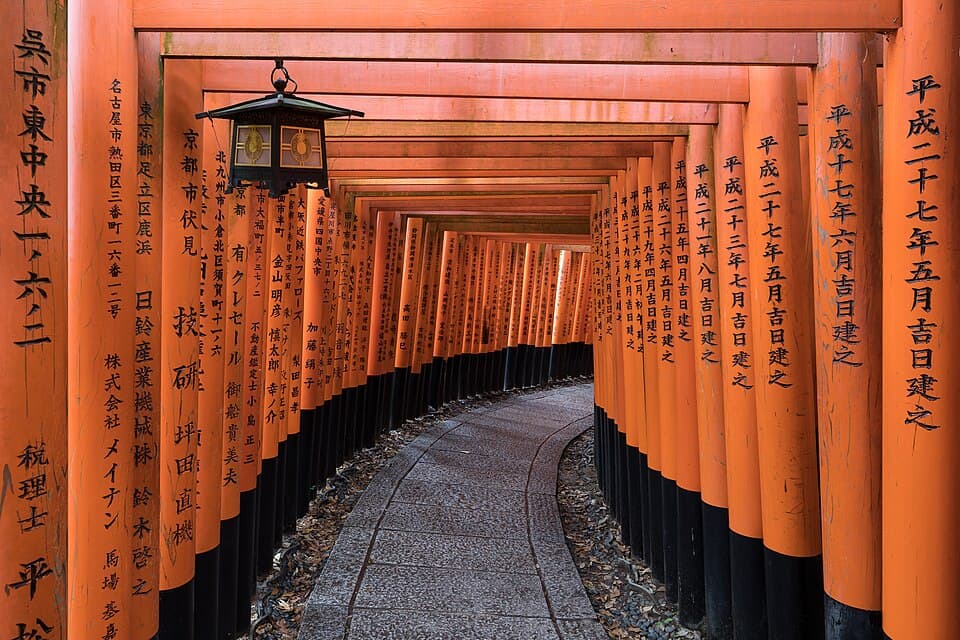
伏見稲荷大社
Fushimi Inari Taisha in Kyoto is the chief shrine dedicated to the kami Inari, set at the foot of Mount Inari. Walk through its famous vermilion torii gates and follow the mountain trails that span about 4 km — a roughly two-hour route that leads to dozens of smaller shrines and an unforgettable, atmospheric hike.
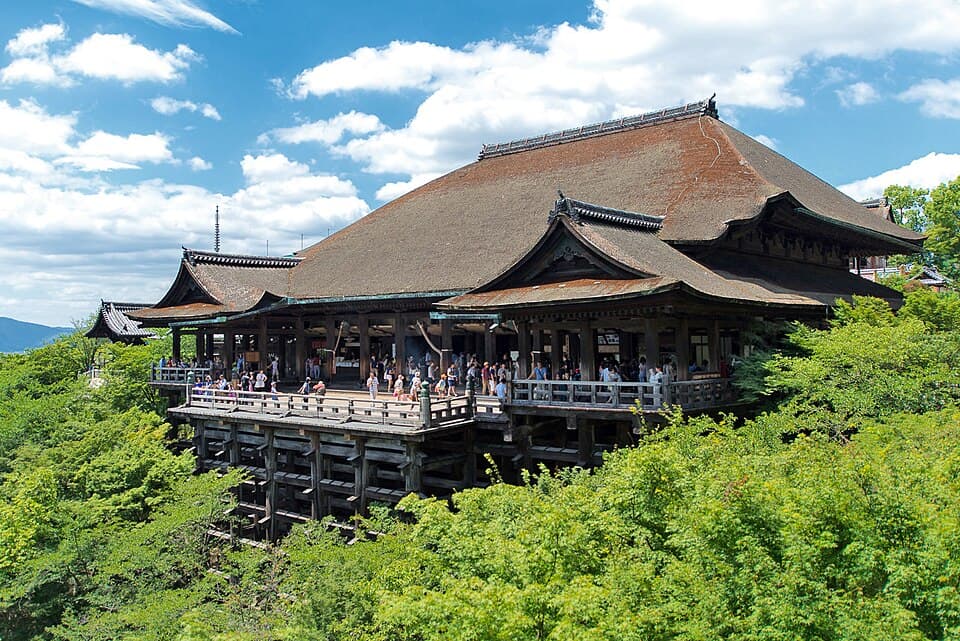
清水寺
Set on the eastern slopes of Kyoto, Kiyomizu-dera is a centuries-old Buddhist temple devoted to Jūichimen Kannon and one of the few temples that predate Heian‑kyō—now part of the Historic Monuments of Ancient Kyoto UNESCO site. Wander the atmospheric precincts with pilgrims, learn about its hibutsu (hidden) Kannon image, and if you visit in winter you can witness the annual Kanji of the Year ceremony held each December 12.
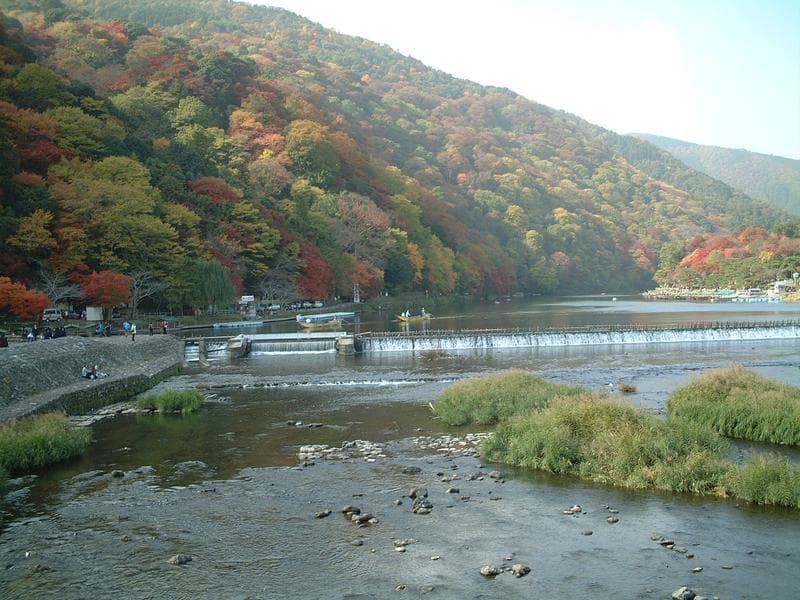
嵐山
Nestled on Kyoto’s western edge, Arashiyama pairs a dramatic mountain backdrop with riverside charm and nationally protected scenic beauty. Wander the famous bamboo groves, cross the iconic Togetsukyo Bridge and visit serene temples while soaking up cherry blossoms in spring and fiery maples in autumn.
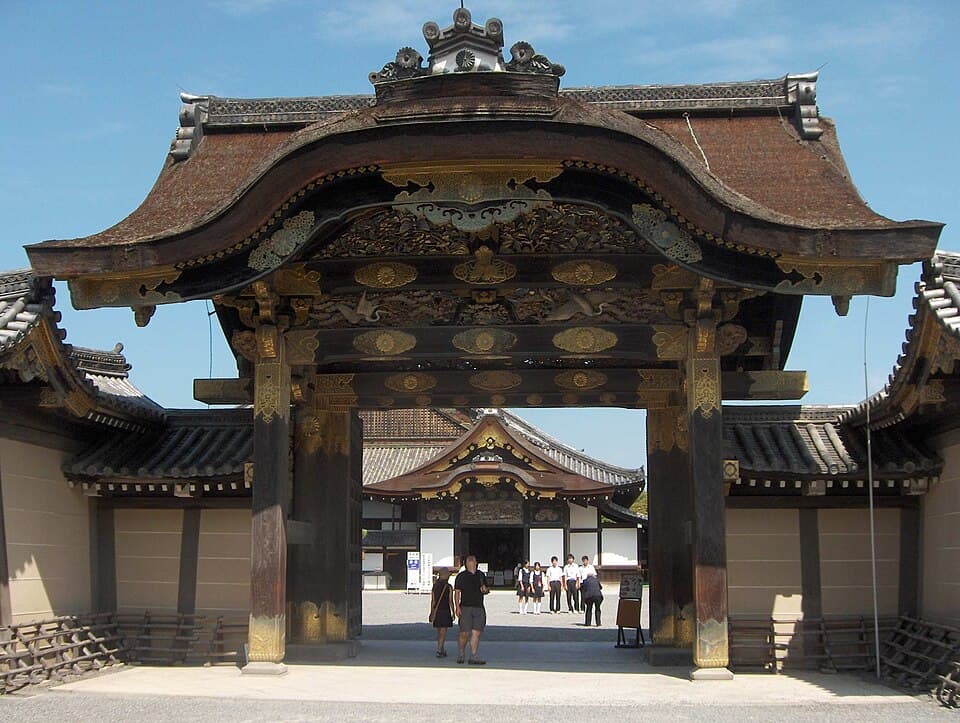
二条城
Nijō Castle in Kyoto is a sprawling flatland fortress with two concentric rings of fortifications surrounding the Ninomaru Palace, the ruins of the Honmaru Palace, and several gardens. Stroll the extensive grounds to explore the palatial spaces and ruins, admire seasonal garden views, and feel layers of Japan’s feudal history come alive.
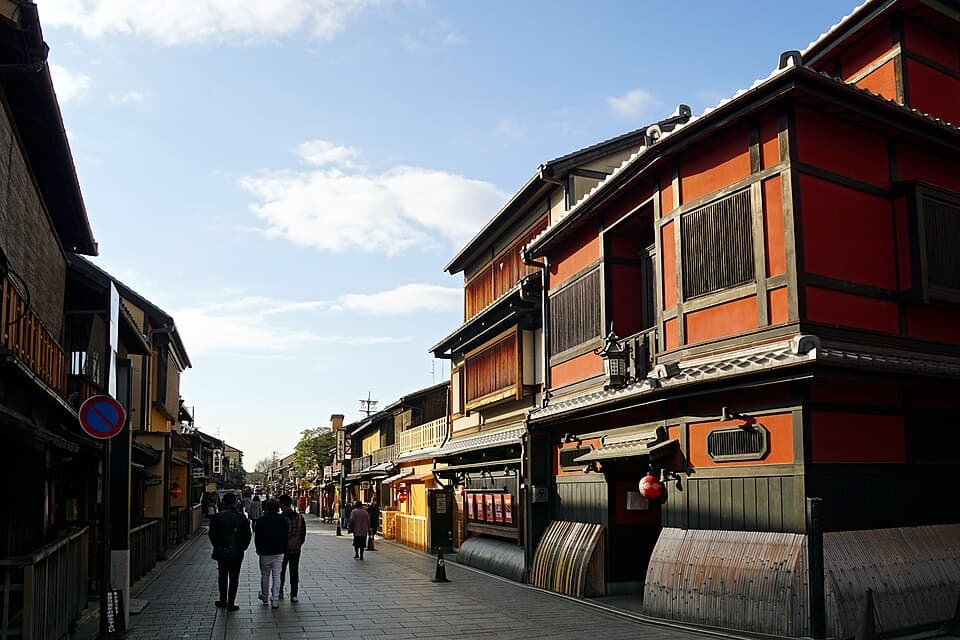
祇園
Gion is Kyoto’s atmospheric geisha quarter beside Yasaka Shrine, born in the Sengoku era and famed for its wooden machiya, narrow lanes and elegant teahouses. Stroll at dusk to glimpse maiko in kimono, step into centuries of refined entertainment, or visit during the lively Gion Matsuri for an unforgettable taste of traditional Japan.
檢視所有景點
檢視大阪・關西完整景點列表,比較附近區域並補充更多目的地。