Kamakura Day Trip Guide: Ancient Capital, Great Buddha & Enoshima
2026-03-11
Guide to Action
Overview
Kamakura was Japan's political capital from 1185 to 1333, ruled by the Minamoto shogunate during the Kamakura Period. More than 800 years later, the city retains an extraordinary concentration of temples, shrines, and samurai-era monuments tucked into forested hillsides overlooking the Pacific Ocean.
It's one of the most rewarding day trips you can make from Tokyo — under one hour by train — and offers a rare combination of ancient history, coastal scenery, and natural hiking. The iconic Great Buddha (Kotoku-in Daibutsu) alone is worth the trip.
Best for: History lovers, temple enthusiasts, families, anyone wanting to escape central Tokyo for a day.
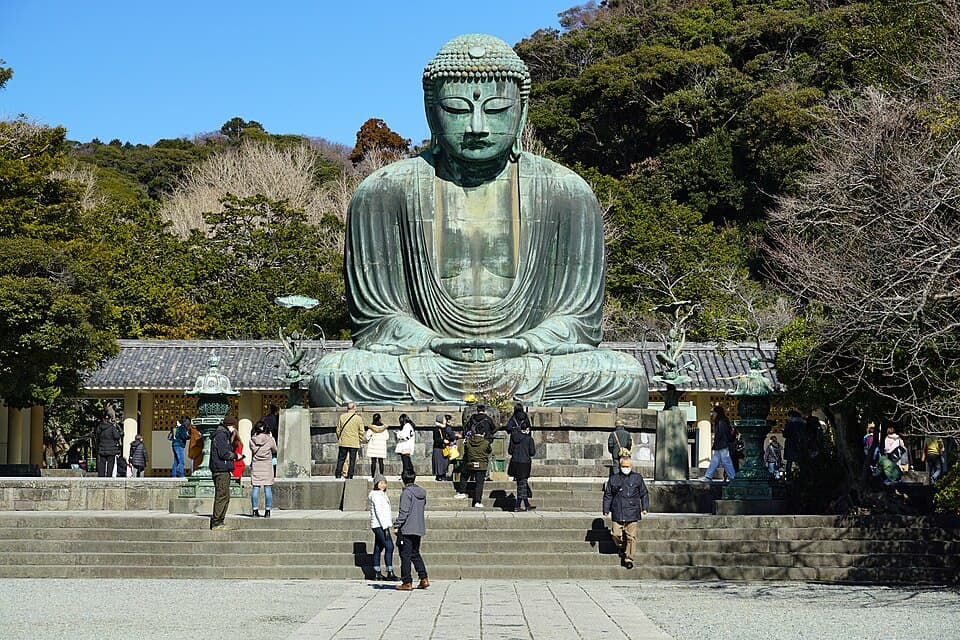
An 11.4-meter bronze Amida Buddha cast in 1252. One of Japan's most iconic landmarks, originally housed inside a wooden hall destroyed by a tsunami in 1498.
Getting There
Kamakura is served by two rail lines from Tokyo. The most direct is the JR Yokosuka Line from Tokyo Station.
| From | Route | Time | Cost |
|---|---|---|---|
| Tokyo Station | JR Yokosuka Line (direct) | 57 min | ¥940 |
| Shinjuku | Shonan-Shinjuku Line (direct) | ~50 min | ¥940 |
| Shibuya | Shonan-Shinjuku Line | ~55 min | ¥940 |
| Yokohama | JR Yokosuka Line | ~25 min | ¥380 |
The Kamakura–Enoshima Pass (鎌倉・江の島フリーきっぷ) covers unlimited rides on the Enoden tram line between Kamakura and Enoshima, plus round-trip from your nearest Odakyu station. Available at Odakyu stations for ¥1,640 from Shinjuku. A great deal if you plan to visit Enoshima.
Once in Kamakura, the Enoden (江ノ電) is the local narrow-gauge tram that connects Kamakura Station to Hase (for the Great Buddha) and continues all the way to Fujisawa/Enoshima. It's slow, charming, and a classic part of the Kamakura experience — the stretch between Kamakura and Hase runs between houses and along the coast.
Kamakura Highlights
Kotoku-in & the Great Buddha
The bronze Great Buddha (Amida Nyorai) at Kotoku-in temple is about 11.3 meters tall and weighs approximately 121 tonnes. Cast in 1252, it originally sat inside a large wooden hall that was swept away by a tsunami in 1498 — since then it has sat in the open air, green-patinated and serene.
- Hours: 8:00–17:30 (Apr–Sep), 8:00–17:00 (Oct–Mar); last entry 15 min before close
- Admission: ¥300 (adults), ¥150 (children)
- Enter the statue: ¥50 extra — you can climb inside through ventilation windows in the statue's back
The 13th-century bronze Amida Buddha at Kotoku-in. At 11.4 meters, it's one of Japan's most recognizable icons. You can step inside the hollow statue for ¥50.
Tsurugaoka Hachimangu
The spiritual heart of Kamakura, this Shinto shrine dedicated to Hachiman (the deity of archery and war) was founded in 1063 and moved to its current location by Minamoto no Yoritomo in 1180. The grand approach, Wakamiya-oji (若宮大路), stretches 1.8 km from the sea to the shrine steps, flanked by cherry trees and three earthen bridges — this procession route is one of Japan's great historic promenades.
- Hours: 6:00–20:00 (Apr–Sep), 6:00–20:00 (Oct–Mar)
- Admission: Free (Museum: ¥200)
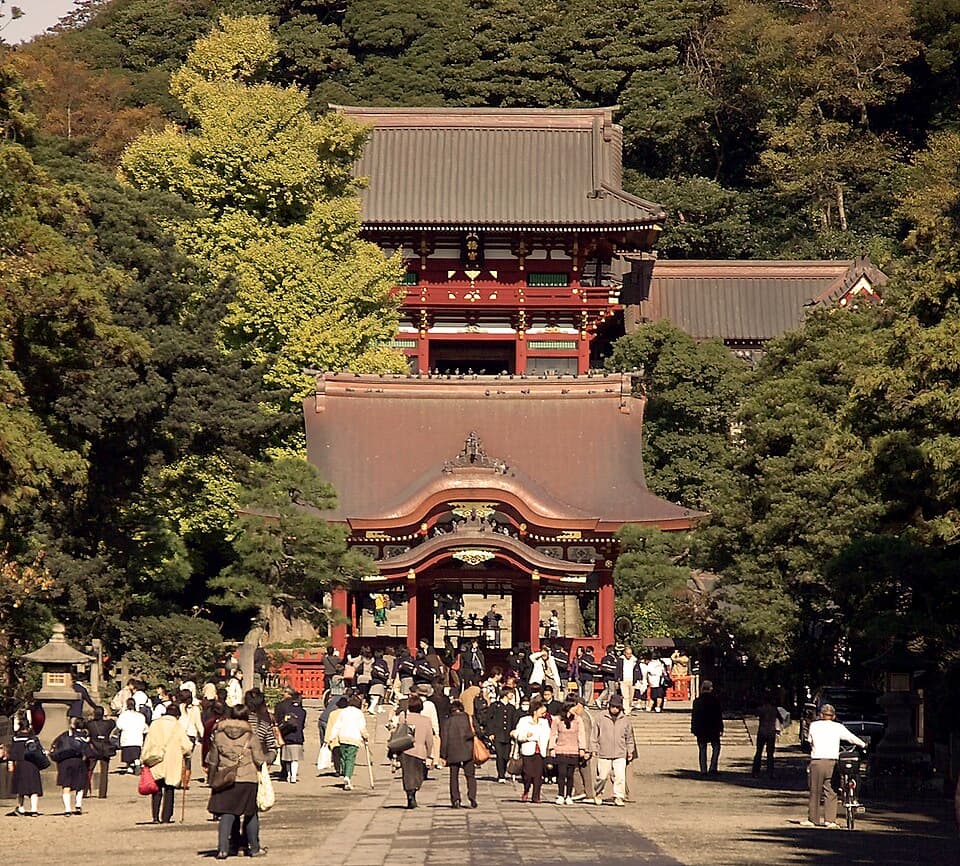
Kamakura's most important shrine, founded in the 11th century. The 1.8 km ceremonial approach lined with cherry trees leads to the vermillion main hall.
Hokokuji — The Bamboo Temple
One of Kamakura's most atmospheric lesser-known gems. Hokokuji temple is famous for its grove of approximately 2,000 mosodake (moso bamboo) planted behind the main hall.
- Hours: 9:00–16:00
- Admission: ¥400 (bamboo garden)
- Matcha: ¥600 — tea is served in the bamboo grove itself, at low tables amid the rustling stalks
The bamboo grove is a 10-minute walk from Jomyoji-mae bus stop (take the Kamakura Station East Exit bus toward Kanazawa-hakkei).
Komachi-dori Shopping Street
The 350-meter pedestrian street running from Kamakura Station to Tsurugaoka Hachimangu is packed with souvenir shops, cafes, and street food stalls. Look for:
- Kotoge — one of the best places for matcha-flavored soft serve and souvenirs
- Kamakura Beniya — handmade yokan (sweet bean jelly) in elegant boxes
- Ammo Kamakura — specialty coffee roaster in a renovated townhouse
- Numerous stalls selling salt taffy (shio-ame) and dango skewers
Enoshima Extension
If you have the energy, the island of Enoshima is a fantastic add-on — roughly 25 minutes by Enoden tram from Kamakura Station.
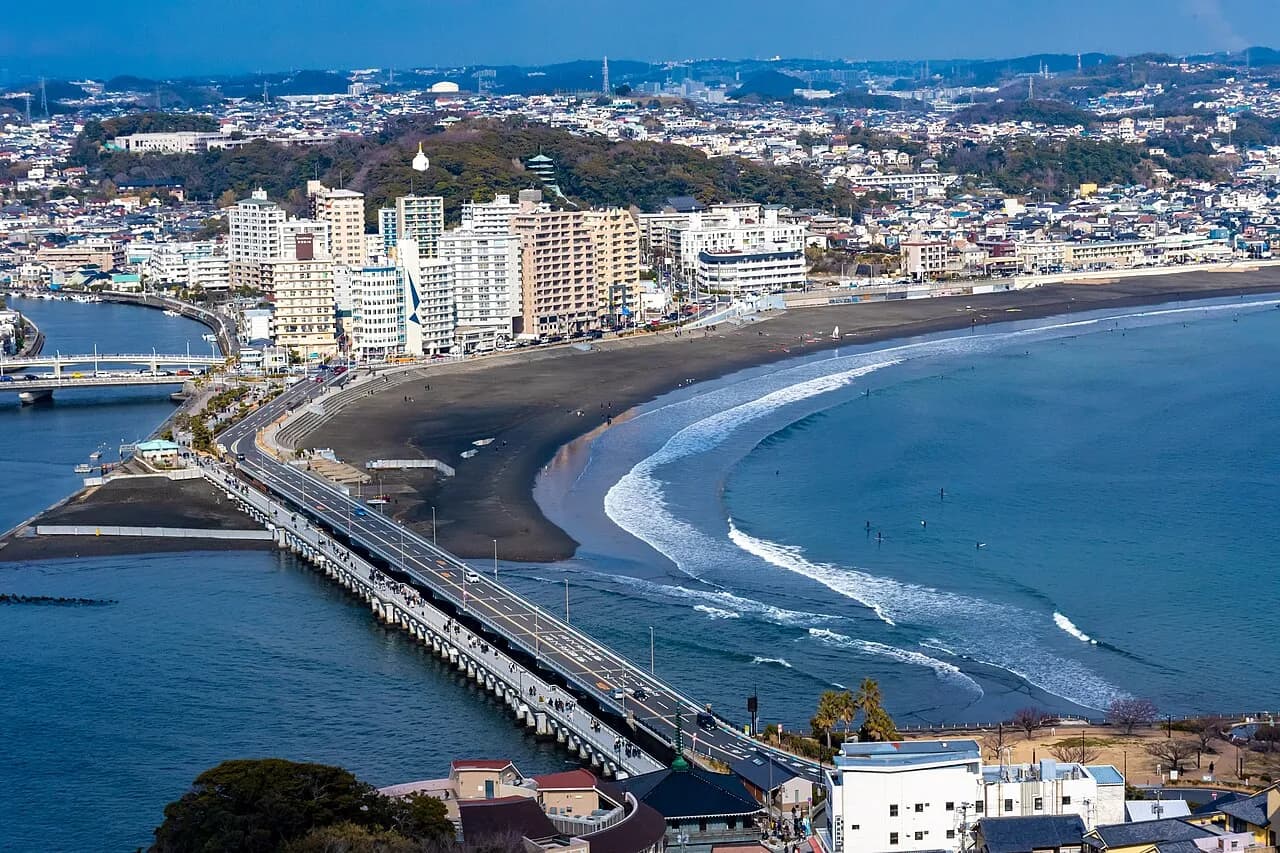
A small tidal island connected to the mainland by a causeway, famous for its shrine, sea caves, and sunset views of Mount Fuji. The Sea Candle observation tower offers panoramic Shonan Coast views.
What to Do on Enoshima
Enoshima Shrine (江島神社): A complex of three shrines dedicated to Benzaiten (goddess of beauty and music). The steep main approach, Benzaiten Nakamise-dori, is lined with seafood restaurants and souvenir stalls — expect raw seafood, grilled squid, and shirasu dishes.
Sea Candle (シーキャンドル): Enoshima's lighthouse tower, 59.8 meters tall with an observation deck. On clear days you can see Mount Fuji perfectly framed above the Pacific.
- Hours: 9:00–20:00 (last admission 19:30; event periods may extend hours); the current standard adult admission is ¥500, though special evening events may use different pricing
Iwaya Caves (岩屋洞窟): Two sea caves at the western tip of the island, historically sacred and lined with Buddhist carvings. The cave walk takes about 30 minutes.
- Hours: 9:00–17:00 (18:00 Jul–Sep); ¥500 admission
Sunset Views: On clear winter afternoons, the sun sets directly behind Mount Fuji when viewed from Enoshima — one of Japan's most famous sunset compositions. Best months: November to February.
Enoshima gets very crowded on weekends. If you visit on a Saturday or Sunday, arrive at the island by 10am and head to the caves first (most visitors stop at the shrine and turn back).
Hiking Trails
Kamakura's hills hide two excellent hiking courses that let you connect major sights on foot through forest.
Daibutsu Hiking Course (大仏ハイキングコース)
The most popular trail in Kamakura. It starts near Kita-Kamakura Station and ends at the Great Buddha, passing through cedar and oak forest along the ridge.
- Start: Near Kita-Kamakura Station (trailhead is a 10-min walk from the station)
- End: Kotoku-in (Great Buddha)
- Distance: ~6 km
- Time: ~90 minutes (one way)
- Difficulty: Easy–Moderate (some steep sections, unpaved)
The trail passes Genjiyama Park, where there are views over Kamakura, and connects to Zeniarai Benzaiten — the "money-washing shrine" where locals rinse their coins in a spring to multiply their wealth.
Tenen Hiking Course (天園ハイキングコース)
A longer route running along the eastern ridge of Kamakura.
- Distance: ~9 km (full route)
- Time: ~3–4 hours
- Highlights: Kenchoji temple, Zuisen-ji garden, Kakuon-ji cave temples
Both trails become slippery after rain. Wear shoes with grip. There are no facilities on the trails — bring water and snacks.
Food & Drinks
Shirasu (白子丼 / しらす丼)
The Shonan coast is Japan's top region for shirasu — tiny whitebait fish caught fresh daily. Raw shirasu (nama-shirasu) is only available when boats go out, typically April to December (not available Mondays). Look for it at restaurants around Kamakura Station and on Enoshima.
- Hachi-no-Ki Hase (鉢の木 長谷) — popular spot for shirasu-don near Hase station, around ¥1,200–1,500
- Kaihin-Kamakura's Shirasu Stalls — small beachside stalls near Yuigahama beach serve raw shirasu on rice
Kamakura Beer (鎌倉ビール)
Kamakura Brewery (鎌倉ビール醸造) produces small-batch craft beers using locally-sourced ingredients. Their taproom is open from 11:00, and the flagship Hanami lager and the seasonal wheat beer are excellent.
Matcha Sweets on Komachi-dori
The shopping street is lined with matcha-flavored everything — soft serve, chocolate, warabi-mochi, financiers. Kotoge (小桃家) at the top of Komachi-dori is a reliable stop for ice cream and matcha goods.
Enoshima Seafood
The island approach is studded with restaurants and stalls. Tobiccho (とびっちょ) is the most famous — they serve shirasu pizza, shirasu pasta, and the classic shirasu-don, with a harbor view. Expect a queue of 30–60 minutes on weekends.
Model Itinerary
This full-day route covers Kamakura's best spots with an optional Enoshima extension.
8:30 — Arrive Kita-Kamakura Station. Walk to Engakuji temple (¥500) and spend 30–40 min in the wooded grounds. The temple opens at 8:30, so arriving earlier does not help.
9:30 — Begin the Daibutsu Hiking Course from the trailhead near Kita-Kamakura. Pass through forest via Genjiyama Park.
11:00 — Arrive at Kotoku-in (Great Buddha). Spend 45–60 min exploring, go inside the statue (¥50 extra).
12:15 — Walk or take the Enoden to Hase-dera (長谷寺, ¥400) — a hillside temple with a 9.18-meter gilded Kannon statue and a cave carved into the cliff below. Views over the Pacific from the garden.
13:30 — Lunch at Hachi-no-Ki Hase or a shirasu restaurant near Hase Station.
14:30 — Take Enoden back to Kamakura Station. Browse Komachi-dori for sweets and souvenirs.
16:00 (optional) — Take Enoden to Enoshima (~25 min). Walk the shrine approach, visit the Sea Candle, and stay for sunset over Mount Fuji (clear days, October–February).
18:30 — Return to Tokyo via Enoshima Station (Odakyu Line) or Kamakura Station (JR Yokosuka Line).
Start early. Kamakura is extremely popular on weekends and public holidays — Tsurugaoka Hachimangu and the Great Buddha can have long queues by 11am. Aim to arrive by 9am for a comfortable visit.
Where to Stay
Staying overnight in Kamakura lets you enjoy the sights before and after the day-tripper crowds arrive. Staying in nearby Fujisawa or along the Shonan coast is a more affordable alternative with easy Enoden access.
Plan Your Stay
Add these spots to your trip, then find the best hotel area near all of them.
FAQ
More spots in Kamakura:
Kamakura's central shrine, connected to the sea by a 1.8 km cherry-tree-lined processional avenue. The most visited site in the city.
A small island 25 minutes from Kamakura by the Enoden tram. Shrine, sea caves, shirasu seafood, and some of Japan's best Mount Fuji sunset views.
Find the best hotel area for this guide
3 spots are already loaded so you can refine the hotel base below.
Plan Your Stay
Add these spots to your trip, then find the best hotel area near all of them.
More Guides
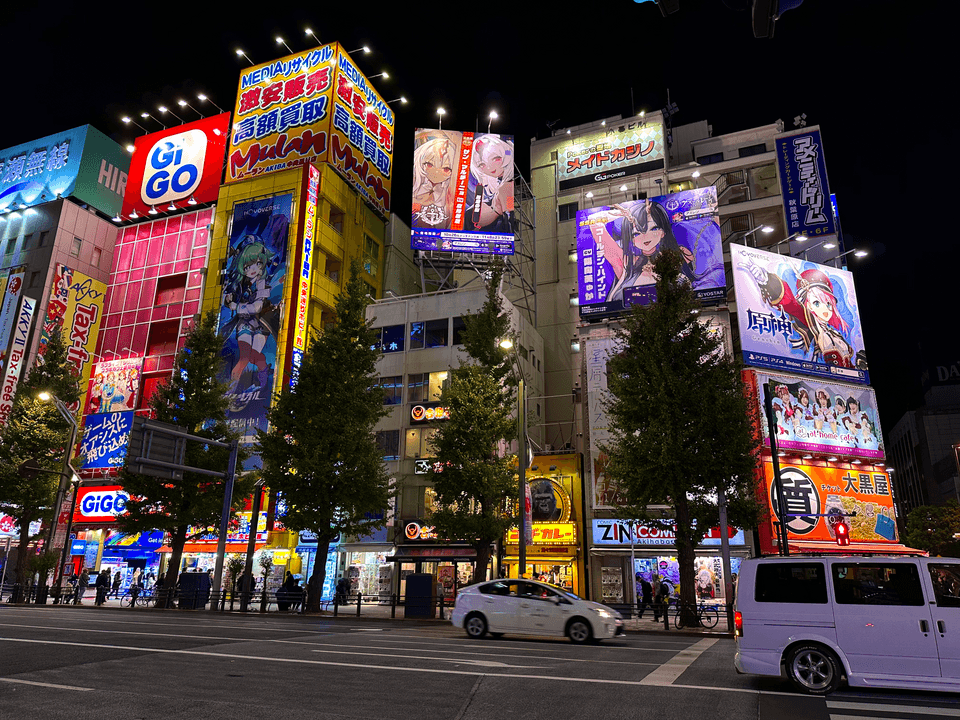
Akihabara & Otaku Culture Guide
Your complete guide to Tokyo's Electric Town — anime shops, arcades, maid cafés, electronics, and nearby Kappabashi Kitchen Street.
Asakusa & Senso-ji Temple: The Complete Visitor's Guide
Everything you need to know to explore Tokyo's oldest and most visited temple — access, highlights, street food, and where to stay in Asakusa.
7 Days in Japan: Where to Stay in Tokyo, Kyoto, and Osaka
A practical 7-day Japan hotel base guide for first-time travelers from the US. Decide how many nights to spend in Tokyo, Kyoto, and Osaka, and choose areas that reduce transit stress.
Mount Takao Beginner's Hiking Guide
Everything you need to know for your first hike up Mount Takao — trails, access, tips, and where to stay nearby.
Nara Day Trip Guide
Friendly deer, the Great Buddha, ancient shrines, and peaceful parkland — your complete guide to visiting Nara from Osaka or Kyoto in one day.
Nikko Day Trip Guide
UNESCO World Heritage temples, stunning waterfalls, and highland lakes — your complete guide to visiting Nikko from Tokyo in one unforgettable day.
Osaka Castle & Nakanoshima Guide
Osaka's iconic castle, its surrounding park, and the elegant riverside island of Nakanoshima — history, culture, and city views in one walk.
Shibuya & Harajuku Neighborhood Guide
Tokyo's ultimate youth culture epicenter — from the world-famous Scramble Crossing to kawaii fashion on Takeshita-dori and calm forest walks at Meiji Shrine.
Shinjuku Complete Guide
Everything you need for Tokyo's busiest district — Kabukicho nightlife, Golden Gai bars, Omoide Yokocho, Shinjuku Gyoen, and the free TMG observatory.
Shinjuku vs Ginza vs Asakusa: Which Tokyo Area Is Best?
A practical comparison of Shinjuku, Ginza, and Asakusa for Tokyo hotels. Choose the right area by nightlife, budget, comfort, airport access, sightseeing, and first-time travel style.
Tokyo Cherry Blossom Guide: Best Spots & Timing
Plan the perfect hanami in Tokyo. Discover the best cherry blossom spots, bloom forecasts, night sakura events, and essential tips for spring in Japan.
Tokyo Disney or Central Tokyo: Where Should You Stay?
Should you stay near Tokyo Disney Resort, Tokyo Station, Ginza, Shinjuku, or Tokyo Bay? A practical hotel area guide for Disney plus Tokyo sightseeing.
Where to Stay in Tokyo for a First Trip: Best Hotel Areas
A practical first-time Tokyo hotel area guide for travelers from the US. Compare Shinjuku, Ginza, Asakusa, Ueno, Shibuya, and Tokyo Station by itinerary, airport access, budget, and comfort.
Tokyo Hotel Area by Itinerary: Where to Stay Based on Your Plans
Choose a Tokyo hotel area based on the places you will actually visit. Match common first-time itineraries to Shinjuku, Ginza, Asakusa, Ueno, Shibuya, Tokyo Station, and Disney-area stays.
Tokyo 1-Day, 2-Day & 3-Day Model Itinerary
A practical guide to spending 1, 2, or 3 days in Tokyo — covering temples, pop culture, food markets, and iconic landmarks with timing and transport tips.
Tokyo Shopping Guide: Ginza, Harajuku & Akihabara
From luxury boutiques in Ginza to kawaii fashion in Harajuku and electronics in Akihabara — your complete guide to shopping in Tokyo's best districts.
Ueno, Ameyoko & Yanaka Guide
Museums, markets, and old-town charm — explore Ueno Park's world-class collections, the bustling Ameyoko market, and Yanaka's nostalgic streets.
Where to Stay in Tokyo: Best Areas for Every Traveler (2026)
A data-driven guide to Tokyo's best hotel neighborhoods with real subway travel times, hotel counts, and nightly rates. Compare Shinjuku, Shibuya, Asakusa, Ueno, Ikebukuro, and more.
Arashiyama Complete Guide
Bamboo groves, river views, temples, and monkeys — everything you need for a perfect day in Kyoto's western mountain district.
Dotonbori & Shinsekai Food Guide
Osaka's two legendary food districts — neon-lit Dotonbori and retro Shinsekai with its iconic Tsutenkaku Tower. Your guide to the best street food, takoyaki, and kushi-katsu.
Fushimi Inari & Kiyomizu-dera Guide
Kyoto's two most iconic sights — the endless vermillion torii gates of Fushimi Inari and the wooden stage of Kiyomizu-dera — plus Gion and Nishiki Market.
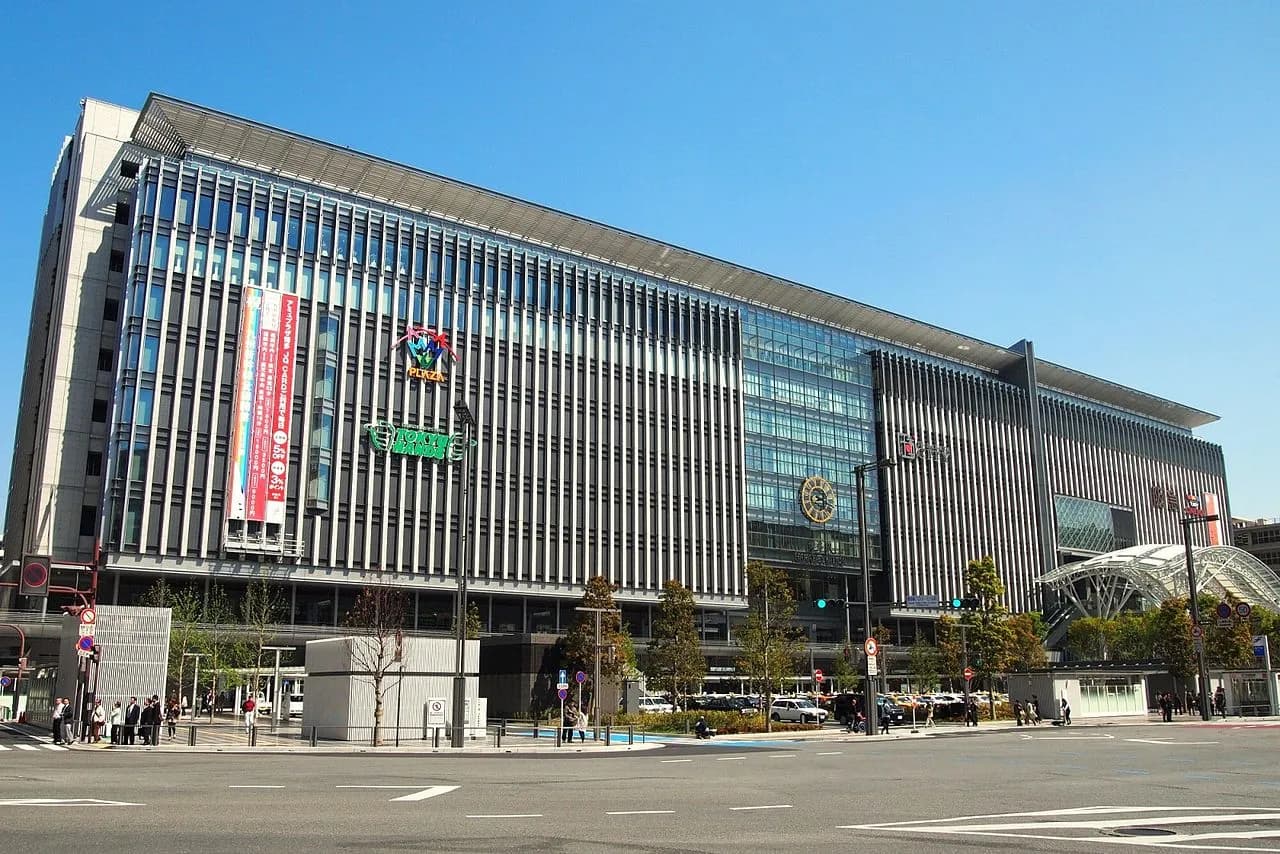
Hakata & Fukuoka City Guide
Explore Fukuoka — Kyushu's largest city. From Hakata Station's ramen street to Nakasu yatai stalls, Tenjin underground shopping, and historic Kushida Shrine. The ultimate guide to Japan's food capital of the south.
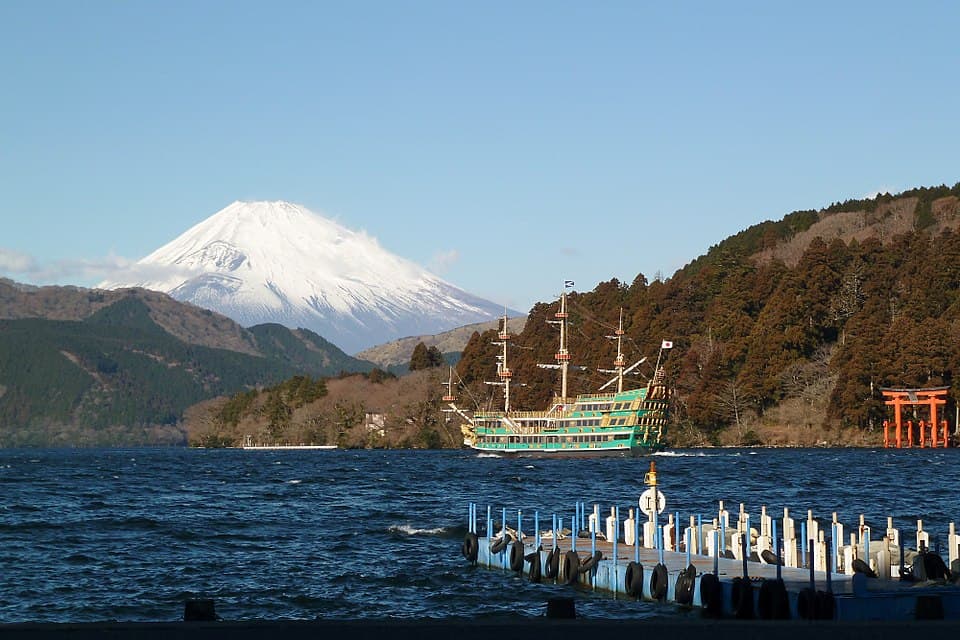
Hakone Complete Guide: Hot Springs, Mt Fuji Views & the Classic Loop
Everything you need to plan the perfect Hakone trip — how to get there, the classic sightseeing loop, onsen, food, and whether to stay overnight.
Kyushu 2-Day & 3-Day Model Itinerary
The perfect Kyushu itinerary covering Fukuoka, Dazaifu, Yufuin, Beppu hot springs, and optional day trips to Kumamoto or Nagasaki. Plan your multi-day Kyushu adventure.
Osaka, Kyoto & Nara 3-Day Itinerary
The perfect 3-day Kansai itinerary covering Osaka's street food, Kyoto's temples and bamboo groves, and Nara's friendly deer — with transport tips and hotel picks.
Tokyo Station, Marunouchi & Ginza Guide
From the iconic red-brick station to the Imperial Palace, luxury Ginza shopping, and Tokyo Tower — explore central Tokyo's most elegant district.
Where to Stay in Osaka: Best Areas for Every Traveler (2026)
A data-driven guide to the best neighborhoods in Osaka for first-time visitors, foodies, budget travelers, and Kyoto day-trippers. Compare Namba, Umeda, Tennoji, and Shinsaibashi.
Information such as prices, hours, and schedules may have changed. Please verify details on official websites before your visit.