Kyushu 2-Day & 3-Day Model Itinerary
2026-03-19
Guide to Action
Overview
Kyushu is Japan's third-largest island and one of its most rewarding regions for travelers. Volcanic landscapes, world-class hot springs, legendary ramen, and a laid-back atmosphere make it the perfect counterpoint to the hectic pace of Tokyo and Osaka. Yet Kyushu remains remarkably undertouristed — even at peak season, you will find far fewer crowds than in Kanto or Kansai.
This itinerary covers the essential Kyushu highlights in 2 or 3 days, using Fukuoka as your base. The core 2-day route takes you through Fukuoka's food scene, the ancient shrine of Dazaifu, the charming onsen town of Yufuin, and the spectacular hot springs of Beppu. An optional Day 3 adds either Kumamoto (castle and nature) or Nagasaki (history and harbor views).
Best seasons: Spring (March–May) for mild weather and cherry blossoms; autumn (October–November) for foliage and comfortable temperatures. Summer is hot and humid but features vibrant festivals. Winter is mild compared to northern Japan and ideal for hot spring bathing.
Best for: Hot spring lovers, foodies, history enthusiasts, nature seekers, anyone wanting to explore beyond the Tokyo-Kyoto-Osaka triangle.
Day 1: Fukuoka
Day 1 immerses you in Kyushu's largest city — a food-obsessed metropolis where tonkotsu ramen was born and yatai stalls light up the riverside every night.
Morning: Hakata Station & Kushida Shrine
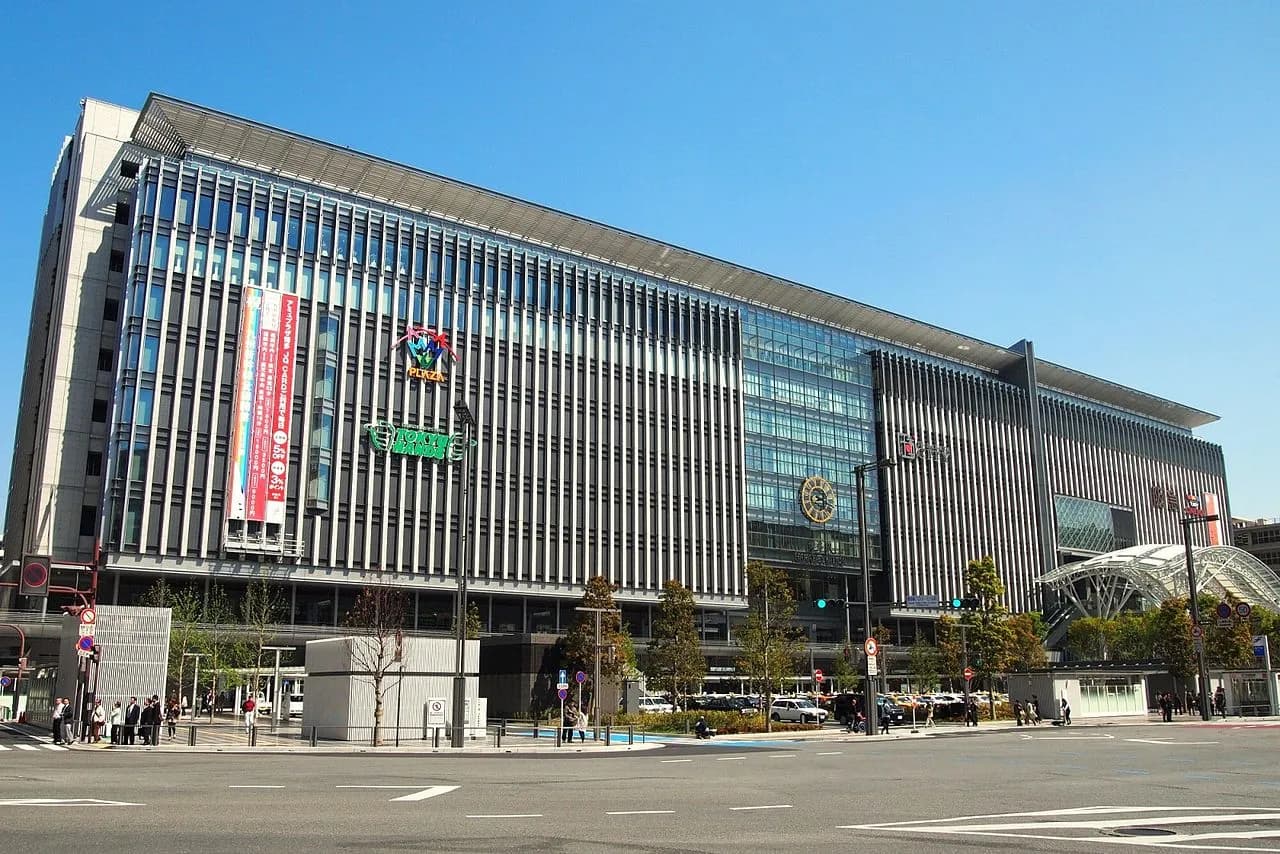
Start at Hakata Station, Kyushu's transportation hub. Grab breakfast at one of the station's bakeries or coffee shops, then walk 10 minutes to Kushida Shrine, the spiritual heart of Hakata. The shrine's 1,200-year history and towering yamakasa festival floats set the tone for your Kyushu journey.
Fukuoka's main transportation hub and gateway to Kyushu. Home to a massive JR station complex with shopping, restaurants, and the famous Hakata Ramen Street.
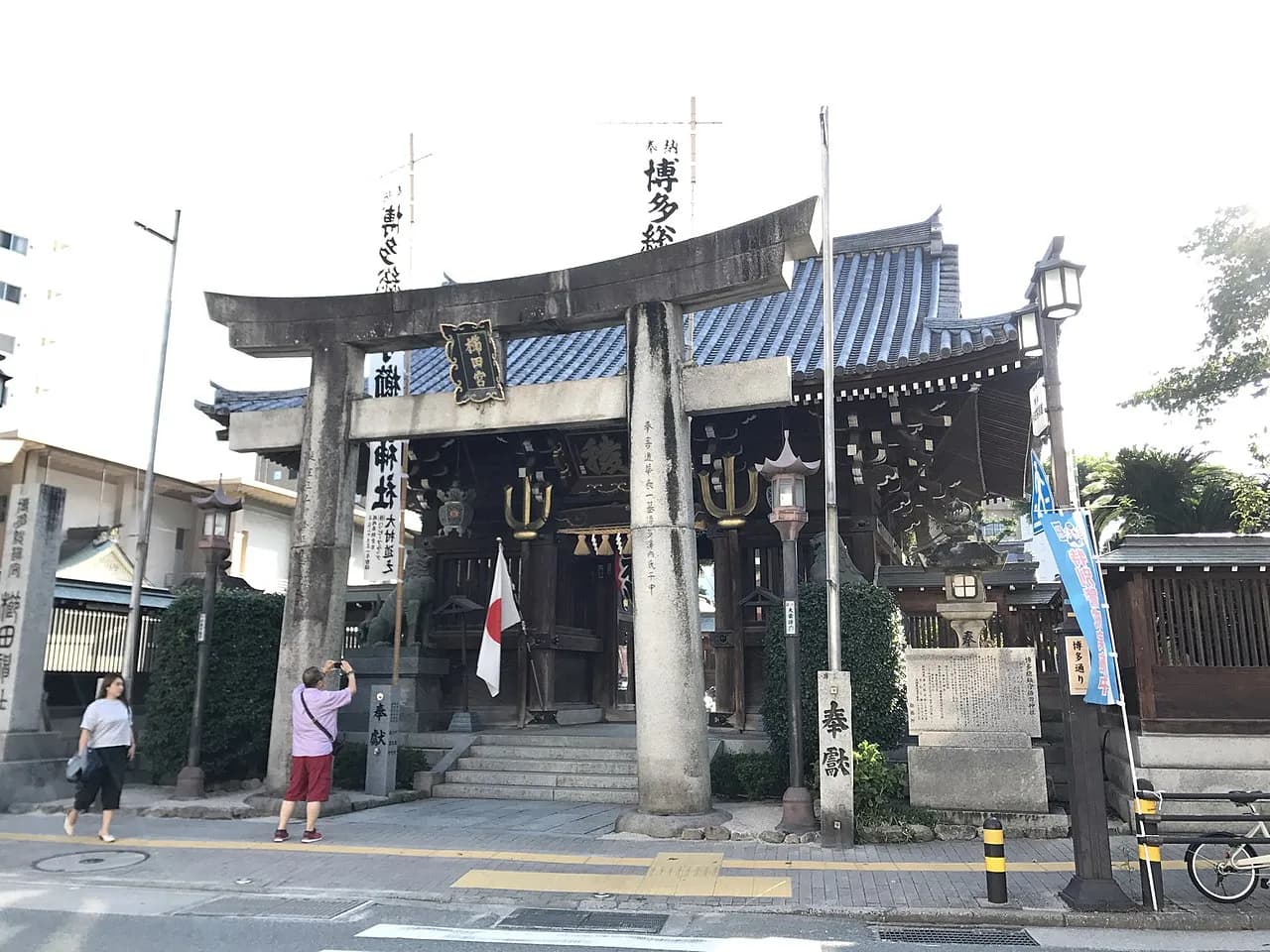
Hakata's most important Shinto shrine, founded in 757 AD. Home to the famous Hakata Gion Yamakasa festival and year-round displays of towering festival floats.
Late Morning: Canal City Hakata
Walk south to Canal City Hakata, the city's signature shopping complex built around an artificial canal. Catch a fountain show (every 30 minutes), browse the shops, or head to the 5th-floor Ramen Stadium for an early bowl.
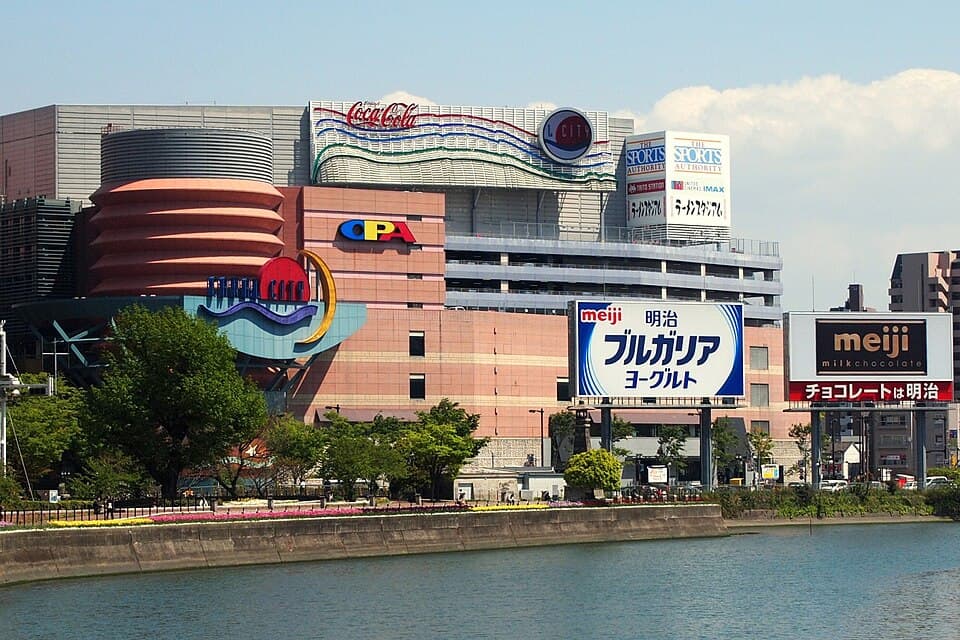
A massive canal-themed shopping and entertainment complex in the heart of Fukuoka. Features fountain shows, theaters, and over 250 shops.
Lunch: Hakata Ramen
This is the meal you came to Fukuoka for. Choose your style:
- Hakata Station Ramen Street (10F of JR Hakata City) — 8 top shops under one roof, easy comparison
- Shin-Shin (Tenjin) — Many locals' pick for best tonkotsu in the city (~¥850)
- Ganso Nagahama-ya — The legendary 1952 original near Nagahama port (~¥650)
Order your noodles barikata (extra firm) for the authentic Hakata experience, and do not forget kaedama (extra noodles, ¥100–150) to refill your bowl.
Afternoon: Tenjin Shopping
Head to Tenjin, Fukuoka's commercial heart. Explore the 590-meter Tenjin Underground City (Tenjin Chikagai) — one of Japan's most impressive subterranean shopping arcades, with over 150 shops in an elegant European-inspired setting. Above ground, Tenjin offers department stores, boutiques, and the pleasant cafe-lined Nishi-dori avenue.
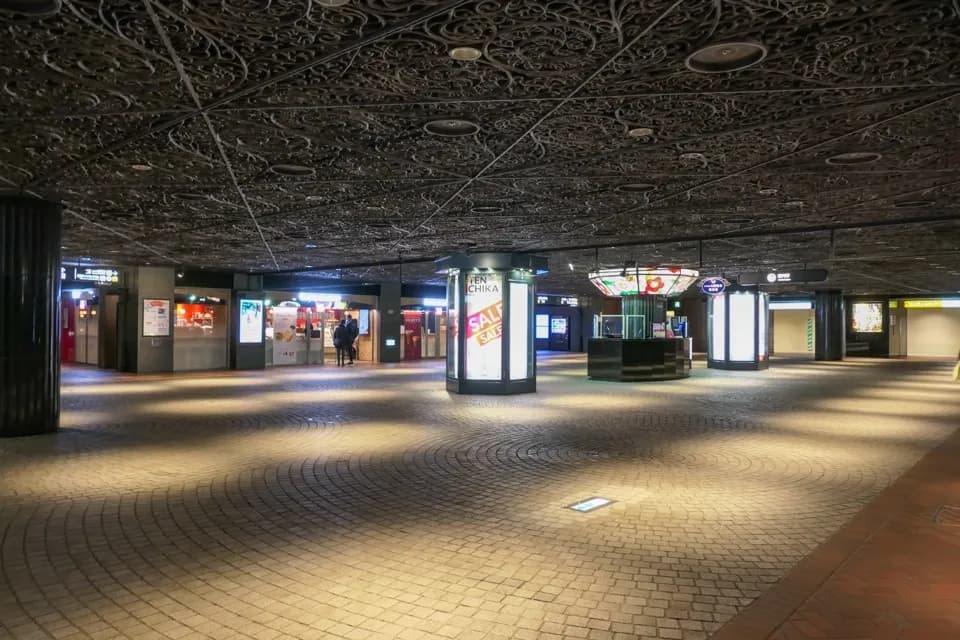
One of Japan's largest underground shopping malls, stretching 590 meters beneath Tenjin's main streets. Over 150 shops and restaurants in a sleek, European-inspired arcade.
Evening: Nakasu Yatai
The highlight of Day 1 — and arguably the highlight of any Fukuoka visit. As dusk falls, around 100 yatai (mobile food stalls) set up across the city, with the highest concentration along the Naka River in Nakasu. Squeeze onto a stool at the counter, order ramen, yakitori, gyoza, and a cold beer, and soak in the communal atmosphere. This is Fukuoka at its most authentic.
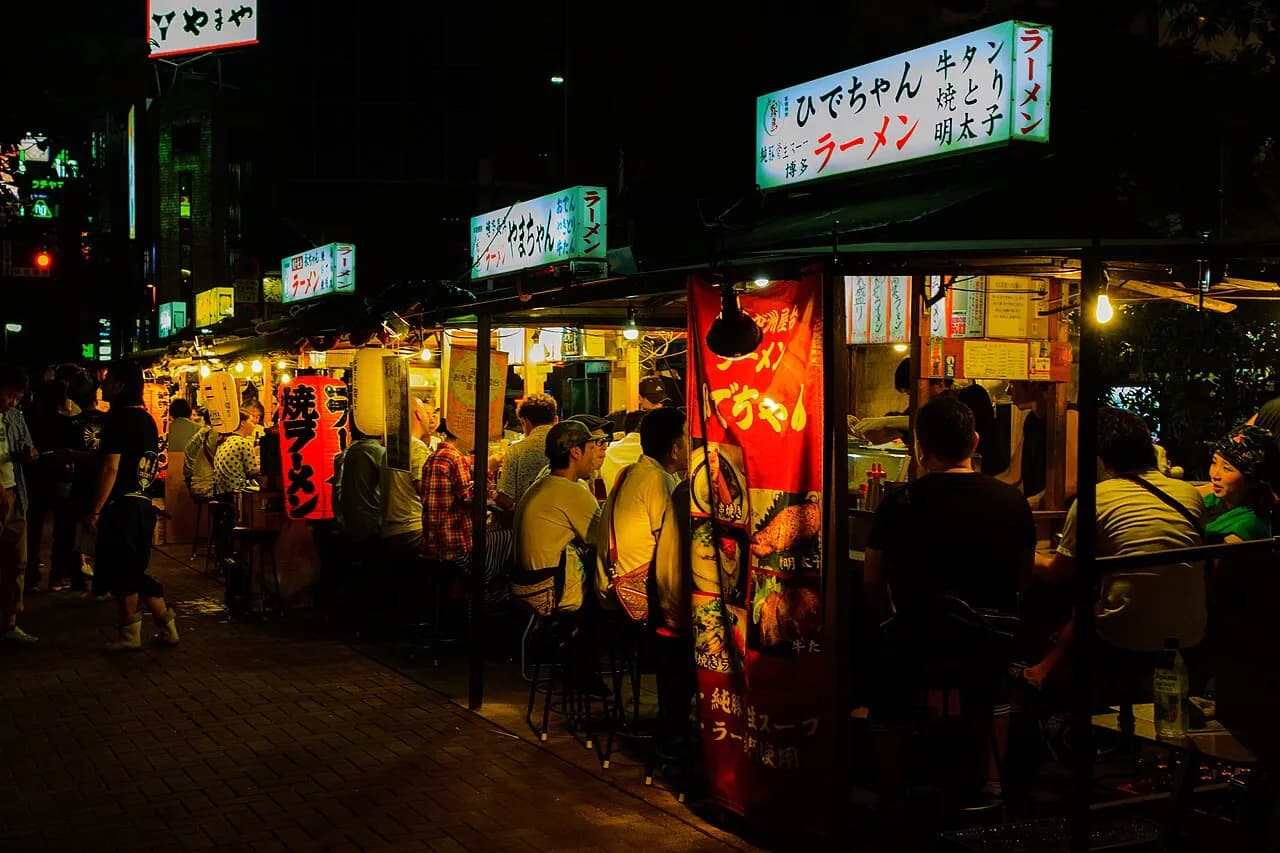
Fukuoka's legendary riverside food stalls. Every evening, yatai set up along the Naka River, serving ramen, yakitori, oden, and gyoza in a lively open-air atmosphere.
Arrive at yatai by 19:00–20:00 to avoid long waits. Friday and Saturday nights are the busiest. Most yatai are cash-only, so withdraw yen beforehand. A typical meal costs ¥1,500–3,000 including drinks.
Day 2: Dazaifu, Yufuin & Beppu
Day 2 takes you beyond Fukuoka into the Kyushu countryside — from an ancient scholar's shrine to a fairy-tale hot spring village and the steaming hell pools of Beppu.
Morning: Dazaifu Tenmangu
Take the Nishitetsu train from Tenjin Station to Dazaifu (30 minutes, ¥410). Dazaifu Tenmangu is one of Japan's most important Shinto shrines, dedicated to Sugawara no Michizane, the deified god of learning. Students from across Japan visit to pray for exam success.
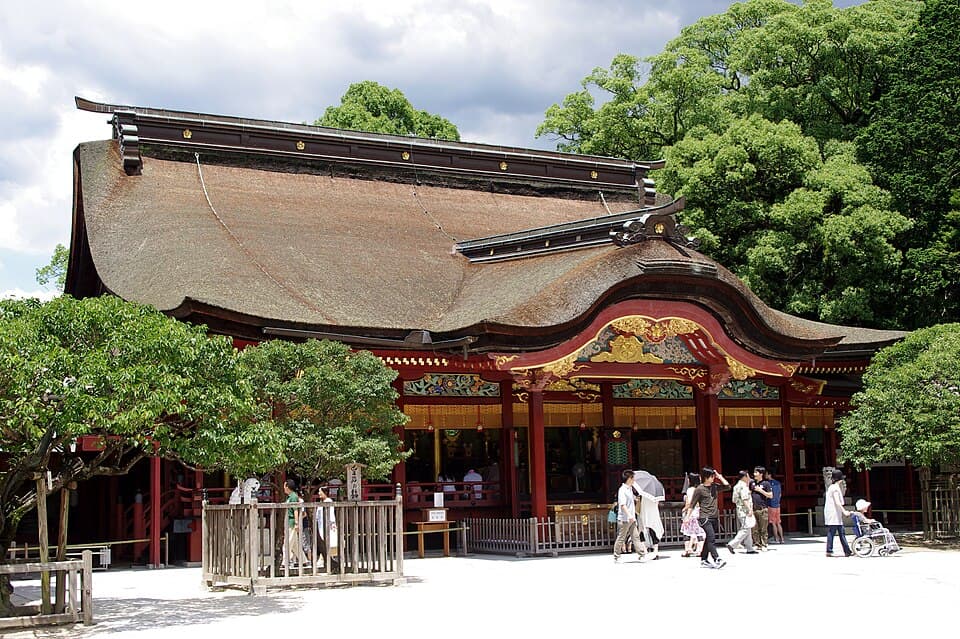
One of Japan's most important Shinto shrines, dedicated to the god of learning. Famous for its plum blossoms, ornate architecture, and the unique Starbucks designed by Kengo Kuma.
The approach to the shrine is lined with souvenir shops and food stalls. Do not miss:
- Umegae Mochi — Grilled rice cakes filled with sweet red bean paste, sold fresh at stalls along the path (~¥130 each). The warm, crispy exterior with the sweet filling is addictive.
- Kengo Kuma Starbucks — Perhaps the world's most architecturally stunning Starbucks, designed by renowned architect Kengo Kuma using 2,000 interlocking wooden sticks.
- Kyushu National Museum — A striking modern museum (10 minutes uphill from the shrine) showcasing the history of cultural exchange between Japan and Asia (¥700).
Shrine hours: 6:00–19:00 (spring/summer), 6:30–18:30 (fall/winter)
Dazaifu is famous for its plum blossoms (ume), which bloom from late January to early March — earlier than cherry blossoms. The shrine grounds have over 6,000 plum trees, making it one of Japan's premier ume viewing spots.
Midday: Transfer to Yufuin
Return to Hakata Station and take the JR Yufuin no Mori limited express — one of Japan's most scenic train rides. The retro-modern green train winds through mountains and valleys for about 2 hours 15 minutes (¥4,550), arriving in the charming onsen town of Yufuin.
Alternatively, a highway bus from Hakata Bus Terminal to Yufuin takes about 2 hours (¥2,900) and is more budget-friendly.
| Route | Transport | Time | Cost |
|---|---|---|---|
| Tenjin → Dazaifu | Nishitetsu Train | ~30 min | ¥410 |
| Dazaifu → Hakata | Nishitetsu + Subway | ~40 min | ¥410 |
| Hakata → Yufuin | JR Yufuin no Mori | ~2 hr 15 min | ¥4,550 |
| Hakata → Yufuin | Highway Bus | ~2 hr | ¥2,900 |
| Yufuin → Beppu | JR Train | ~1 hr | ¥1,170 |
| Beppu → Hakata | JR Sonic Express | ~2 hr | ¥5,570 |
Afternoon: Yufuin
Yufuin is a picture-perfect hot spring town nestled at the foot of Mount Yufu (1,583 meters). Unlike larger onsen resorts, Yufuin has maintained a small-town, artistic charm with galleries, craft shops, and cafes lining its main street — Yunotsubo Kaido.
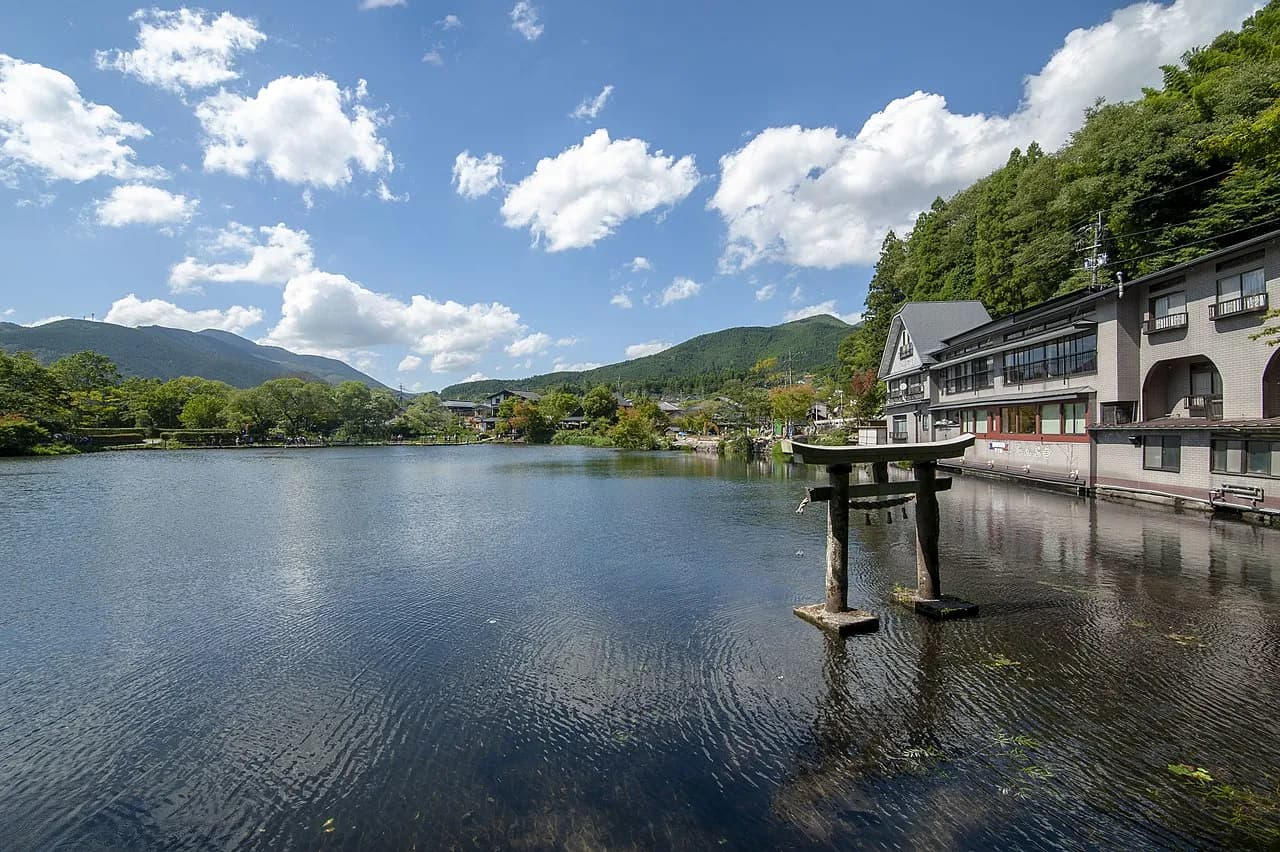
A charming hot spring town at the foot of Mount Yufu. Known for its artistic atmosphere, scenic Lake Kinrin, and high-quality natural onsen baths.
Must-do in Yufuin:
- Yunotsubo Kaido — The main walking street from the station to Lake Kinrin, lined with cafes, souvenir shops, and art galleries. Try the local soft-serve ice cream and croquettes as you stroll.
- Lake Kinrin (Kinrin-ko) — A mystical, mist-shrouded lake at the end of Yunotsubo Kaido. The lake is fed by warm springs, creating ethereal steam that rises from the surface, especially beautiful in the early morning.
- Public Onsen — Several public baths offer affordable soaking in Yufuin's mineral-rich waters. Shitan-yu (¥200) is a rustic open-air bath with Mount Yufu views.
Yufuin is a small town best explored in 2–3 hours. If you want to stay overnight and enjoy a ryokan (traditional inn) experience, book well in advance — top ryokan sell out months ahead, especially on weekends.
Late Afternoon / Evening: Beppu
From Yufuin, take the JR train to Beppu (about 1 hour, ¥1,170). Beppu is Japan's hot spring capital — the city produces more hot spring water than anywhere else in the country, with steam rising from streets, drains, and hillsides throughout the city.
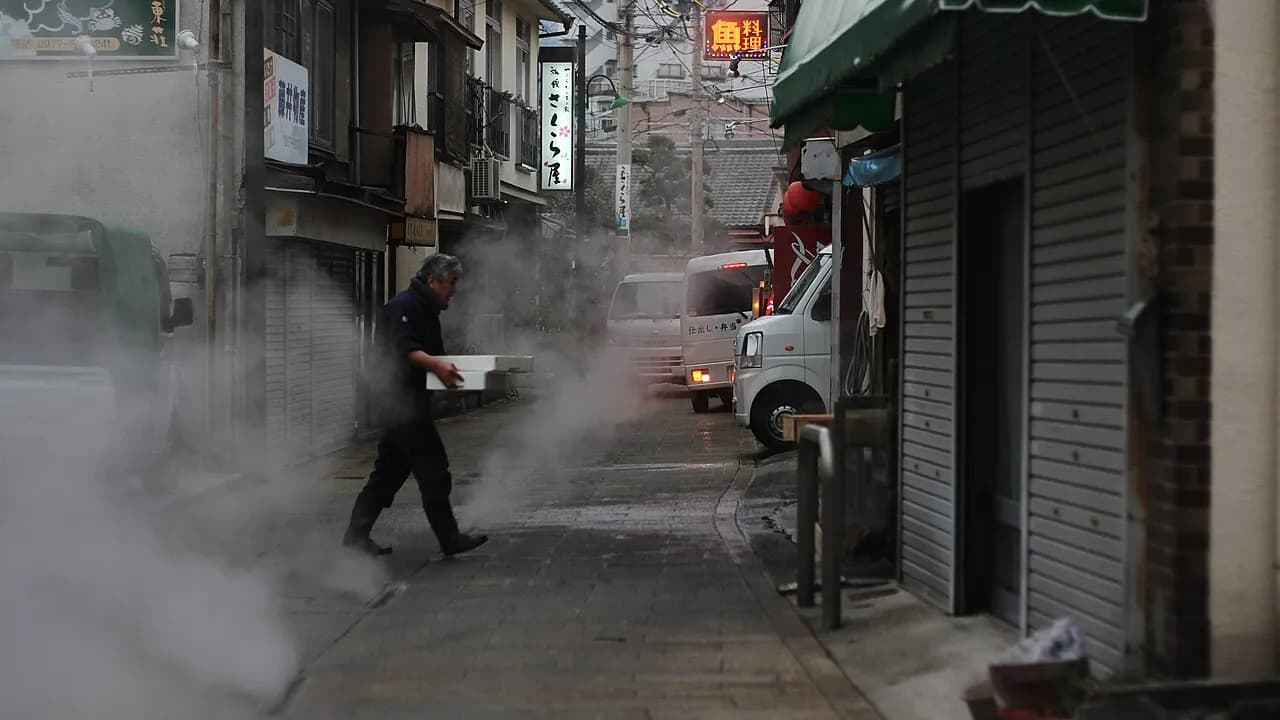
Japan's largest hot spring city, producing more thermal water than any other location in the country. Eight distinct onsen districts offer everything from sand baths to mud baths.
Evening onsen options:
- Takegawara Onsen — A stunning Meiji-era bathhouse (built 1879) in central Beppu. The sand bath here is legendary — attendants bury you in naturally heated volcanic sand for 15 minutes (sand bath ¥1,500, regular bath ¥300).
- Hyotan Onsen — A large complex with multiple pools, waterfall baths, and steam cooking facilities. Named a Michelin 3-star onsen (¥800).
- Beppu Beach Sand Bath — An outdoor sand bath on the beachfront (Shoningahama), where you are buried in warm sand while listening to the waves.
After your bath, enjoy dinner at one of Beppu's local restaurants. Jigoku-mushi (hell-steamed cooking) is a Beppu specialty — food cooked using natural hot spring steam. Try it at Jigoku Mushi Kobo Kannawa, where you can steam your own eggs, seafood, and vegetables.
Return to Hakata by JR Sonic Express (about 2 hours, ¥5,570) or stay overnight in Beppu to continue with Day 3 in the morning.
Day 3: Kumamoto or Nagasaki
Day 3 is optional and offers two compelling choices: Kumamoto for castle history and nature, or Nagasaki for its unique cultural heritage and harbor views. Choose based on your interests.
Option A: Kumamoto
Kumamoto is just 35 minutes from Hakata by Kyushu Shinkansen (¥4,700), making it an easy day trip.
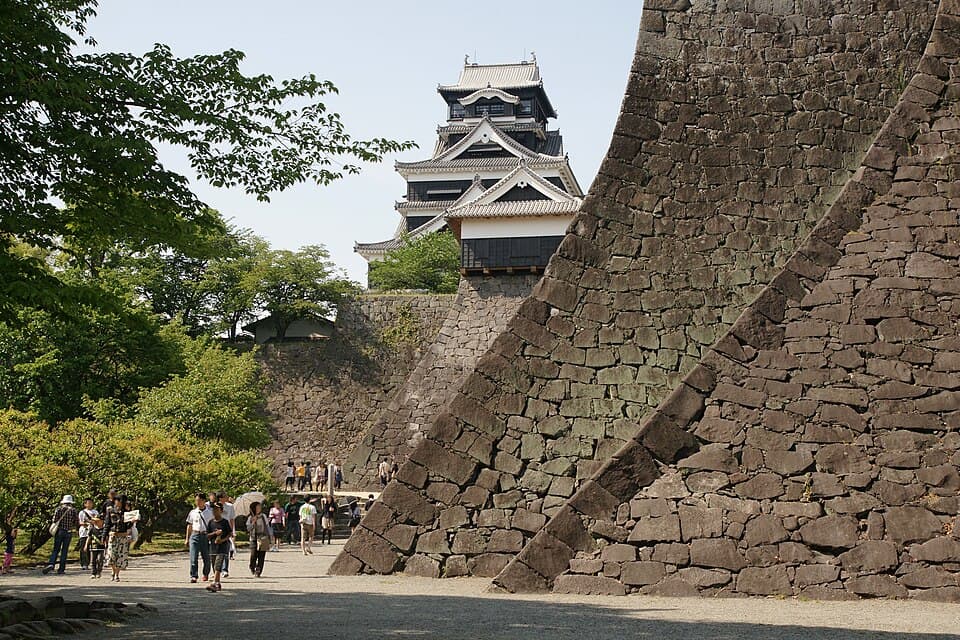
One of Japan's three great castles, currently undergoing restoration after the 2016 earthquake. The massive stone walls and reconstructed palace showcase samurai-era engineering and elegance.
Kumamoto highlights:
Kumamoto Castle — One of Japan's three premier castles, built in 1607 by feudal lord Kato Kiyomasa. The 2016 Kumamoto earthquake caused severe damage, and the ongoing restoration (expected completion around 2037) is itself a fascinating sight. The main tower was restored and reopened in 2021, and you can walk the special elevated viewing passage to see the damaged stone walls up close.
- Hours: 9:00–17:00 (last entry 16:30)
- Admission: ¥800 (adults)
Suizenji Jojuen Garden — A beautiful 350-year-old landscape garden featuring a miniature reproduction of the 53 stations of the Tokaido road, including a mini Mount Fuji. The serene pond reflects the sky beautifully.
- Admission: ¥400
Kumamoto Ramen — Kumamoto has its own ramen style: thicker noodles, a blend of tonkotsu and chicken broth, garlic chips, and ma-yu (blackened garlic oil). Try Kokuritei or Keika Ramen for the classic version.
Kumamon — You will see Japan's most famous mascot character everywhere in Kumamoto. The Kumamon Square in the Tetoria department store (free admission) has daily shows and a shop.
Option B: Nagasaki
Nagasaki is about 1.5 hours from Hakata by the new Nishi-Kyushu Shinkansen + relay train (¥4,200). This historic port city offers a unique blend of Japanese, Chinese, Dutch, and Portuguese influences unlike anywhere else in Japan.
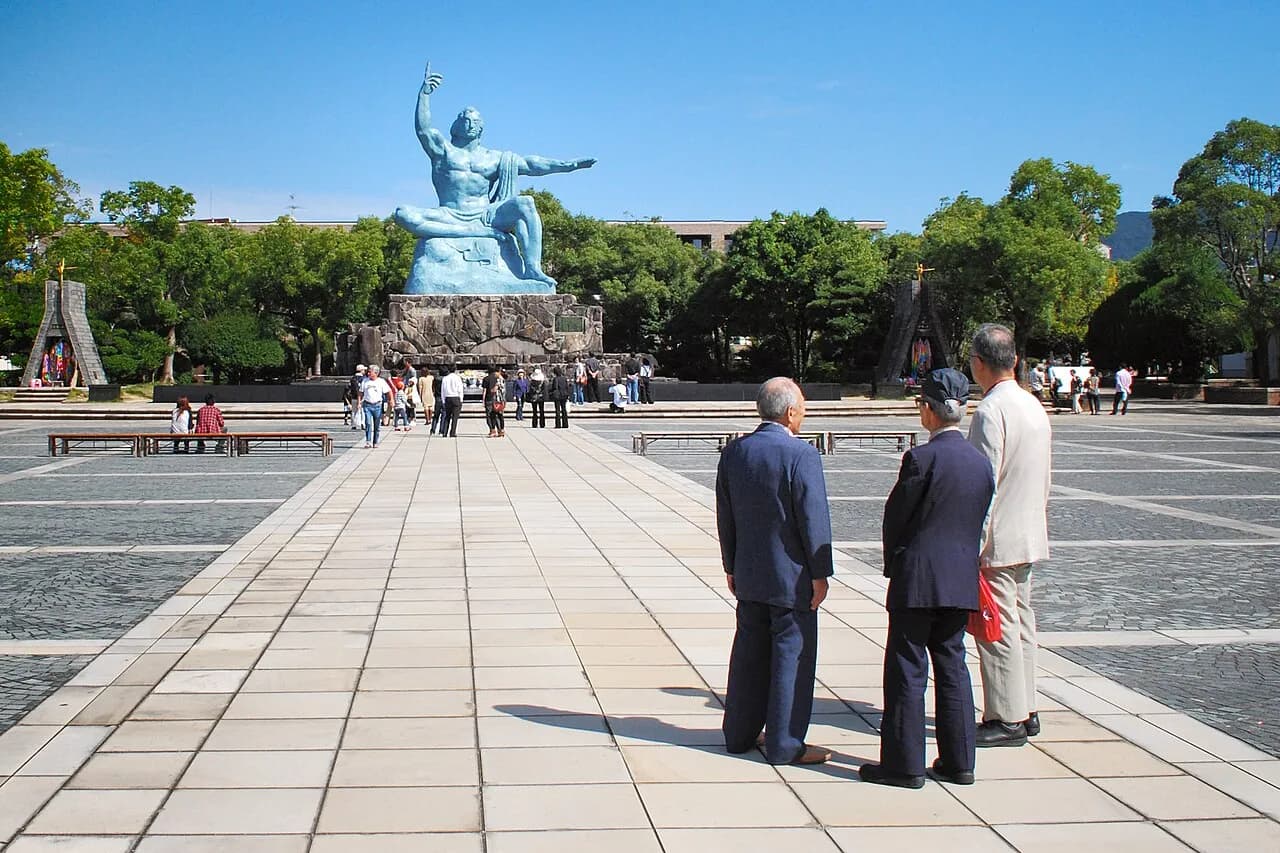
A solemn memorial park at the hypocenter of the 1945 atomic bombing. The iconic Peace Statue and Atomic Bomb Museum convey powerful messages of peace and remembrance.
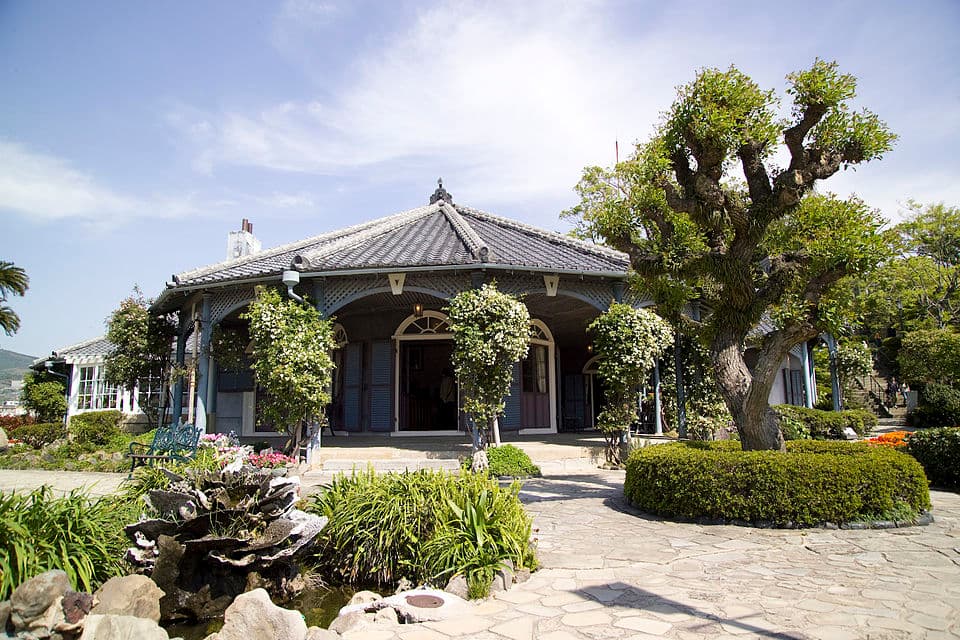
A hilltop open-air museum featuring beautifully preserved Western-style mansions from the Meiji era, offering panoramic views of Nagasaki Harbor.
Nagasaki highlights:
Nagasaki Peace Park & Atomic Bomb Museum — A deeply moving memorial at the hypocenter of the August 9, 1945 atomic bombing. The 10-meter Peace Statue, the Atomic Bomb Museum (¥200), and the memorial hall are essential visits for understanding this chapter of history.
Glover Garden — A hilltop garden overlooking Nagasaki Harbor, featuring beautifully preserved Western mansions from the Meiji era. The former Glover House (1863) is the oldest Western-style building in Japan. The views of the harbor from here are spectacular.
- Hours: 8:00–18:00
- Admission: ¥620
Dejima — The tiny fan-shaped island that was Japan's sole trading post with the outside world during 200+ years of national isolation (1641–1859). Now restored as an open-air museum, it tells the fascinating story of Dutch-Japanese cultural exchange.
Nagasaki Chinatown — Japan's oldest Chinatown, smaller but more authentic than Yokohama's. Try champon (Nagasaki's signature noodle dish with seafood and vegetables in a rich broth) and sara-udon (crispy fried noodles topped with a thick seafood sauce).
Inasayama Night View — If you can extend into the evening, the view from Mount Inasa (333m) is ranked among Japan's top three night views. The ropeway runs until 22:00.
If choosing between Kumamoto and Nagasaki: go to Kumamoto if you love castles, gardens, and want a shorter day trip. Choose Nagasaki if you are interested in history, unique multicultural heritage, and do not mind a slightly longer journey.
Getting Around Kyushu
JR Kyushu Rail Pass
For this itinerary, the JR Kyushu Rail Pass is excellent value.
| Pass | Duration | Price | Best For |
|---|---|---|---|
| Northern Kyushu Pass | 3 days | ¥15,000 | This itinerary (Fukuoka, Beppu, Yufuin, Kumamoto) |
| Northern Kyushu Pass | 5 days | ¥17,000 | Extended exploration |
| All Kyushu Pass | 3 days | ¥22,000 | Including Nagasaki, Kagoshima, Miyazaki |
| All Kyushu Pass | 5 days | ¥24,000 | Full Kyushu circuit |
The Northern Kyushu 3-day pass covers JR trains in the Fukuoka–Beppu–Kumamoto triangle, including the Kyushu Shinkansen and limited express trains like Yufuin no Mori and Sonic. At the current ¥15,000 level, it still makes sense for travelers who are packing several JR-heavy long-distance rides into a short trip, but it is no longer an automatic buy for everyone.
Money-saving tip: Compare your actual JR itinerary before buying. If you're doing Hakata–Yufuin–Beppu plus either Kumamoto or Nagasaki on JR, the pass can still work well. If you're mainly staying in Fukuoka with only one long excursion, point-to-point tickets may be cheaper.
IC Cards
SUGOCA (Kyushu's IC card) and Suica/Pasmo/ICOCA all work on JR Kyushu trains, city buses, and subways. Convenient for pay-as-you-go travel within cities.
Highway Buses
Budget-friendly highway buses connect major Kyushu cities. The Nishitetsu bus network is particularly useful:
- Hakata → Yufuin: ~2 hours, ¥2,900
- Hakata → Beppu: ~2.5 hours, ¥3,250
- Hakata → Kumamoto: ~2 hours, ¥2,100
- Hakata → Nagasaki: ~2.5 hours, ¥2,620
Where to Stay
Fukuoka (Hakata Station area) is the ideal base for this itinerary. The station is the hub for all Kyushu rail travel, the subway connects to the airport in 5 minutes, and you are surrounded by excellent restaurants and yatai. Staying in Hakata for all nights eliminates luggage hassle.
For a special experience, consider one night in Yufuin or Beppu at a traditional ryokan with private onsen. This turns the 2-day itinerary into a more relaxed 3-day version.
Plan Your Stay
Add these spots to your trip, then find the best hotel area near all of them.
FAQ
Explore more Kyushu spots:
One of Japan's most important shrines, dedicated to the god of learning. Famous for plum blossoms and the Kengo Kuma-designed Starbucks.
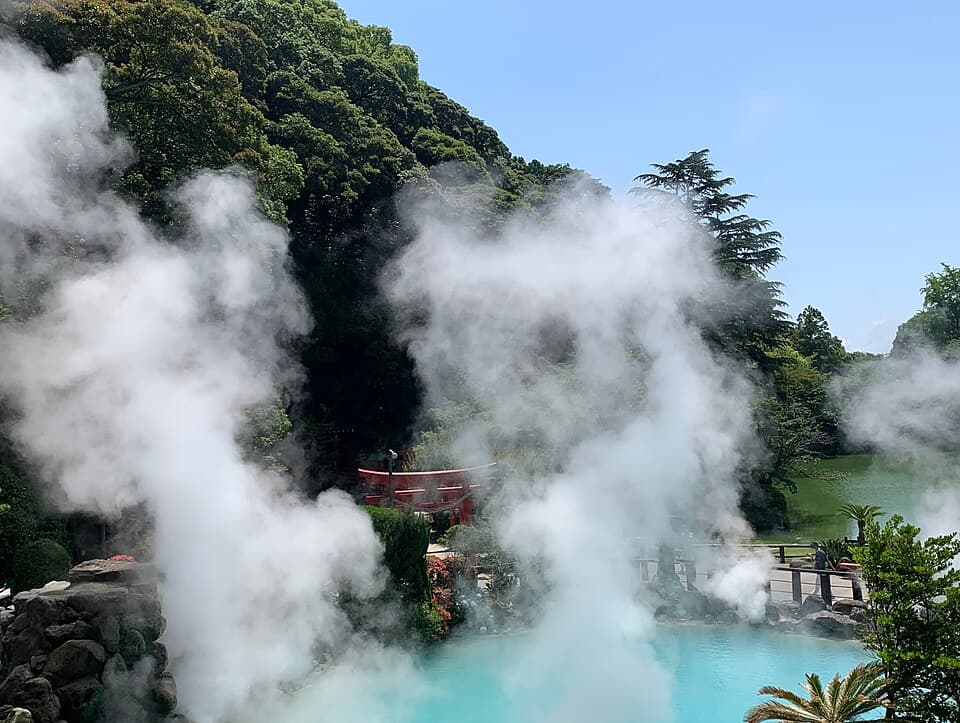
Beppu Hells
Beppu Jigoku (Hells)
Spectacular natural hot spring pools in vivid colors — cobalt blue, blood red, and milky white. A unique geothermal wonderland for sightseeing (not bathing).
One of Japan's three great castles, currently undergoing restoration after the 2016 earthquake. The massive stone walls showcase samurai-era engineering.
Find the best hotel area for this guide
5 spots are already loaded so you can refine the hotel base below.
Plan Your Stay
Add these spots to your trip, then find the best hotel area near all of them.
More Guides
Hakata & Fukuoka City Guide
Explore Fukuoka — Kyushu's largest city. From Hakata Station's ramen street to Nakasu yatai stalls, Tenjin underground shopping, and historic Kushida Shrine. The ultimate guide to Japan's food capital of the south.
Osaka, Kyoto & Nara 3-Day Itinerary
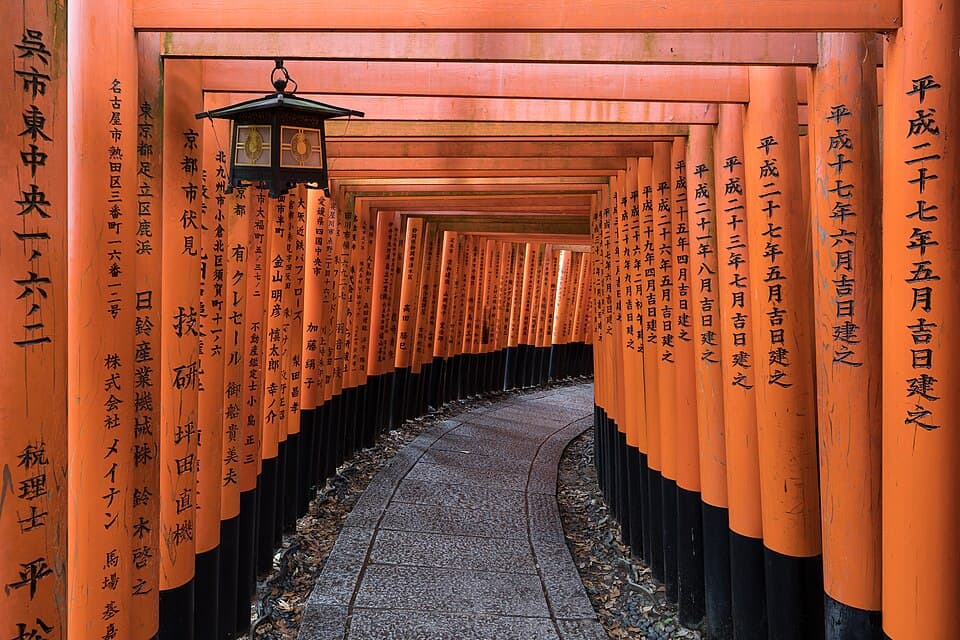
The perfect 3-day Kansai itinerary covering Osaka's street food, Kyoto's temples and bamboo groves, and Nara's friendly deer — with transport tips and hotel picks.
Tokyo Hotel Area by Itinerary: Where to Stay Based on Your Plans
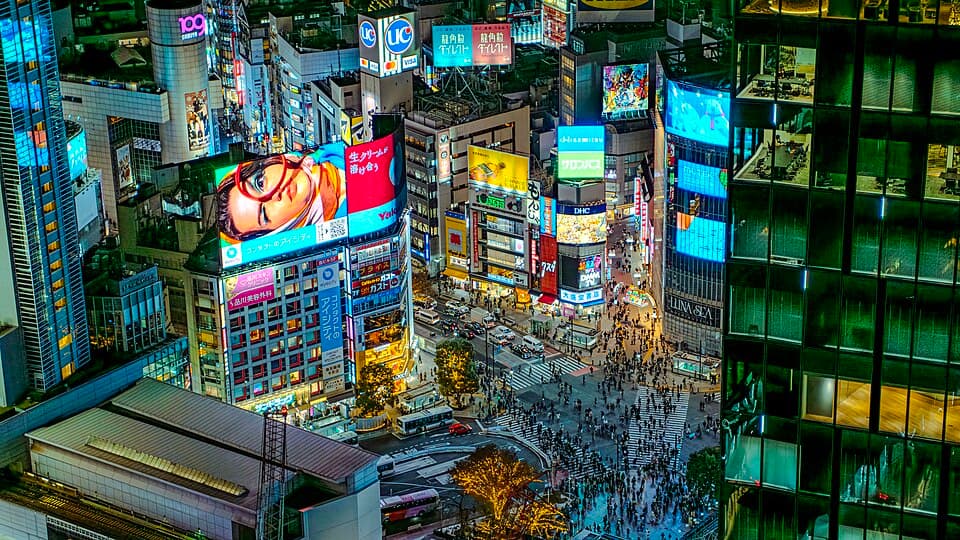
Choose a Tokyo hotel area based on the places you will actually visit. Match common first-time itineraries to Shinjuku, Ginza, Asakusa, Ueno, Shibuya, Tokyo Station, and Disney-area stays.
Tokyo 1-Day, 2-Day & 3-Day Model Itinerary
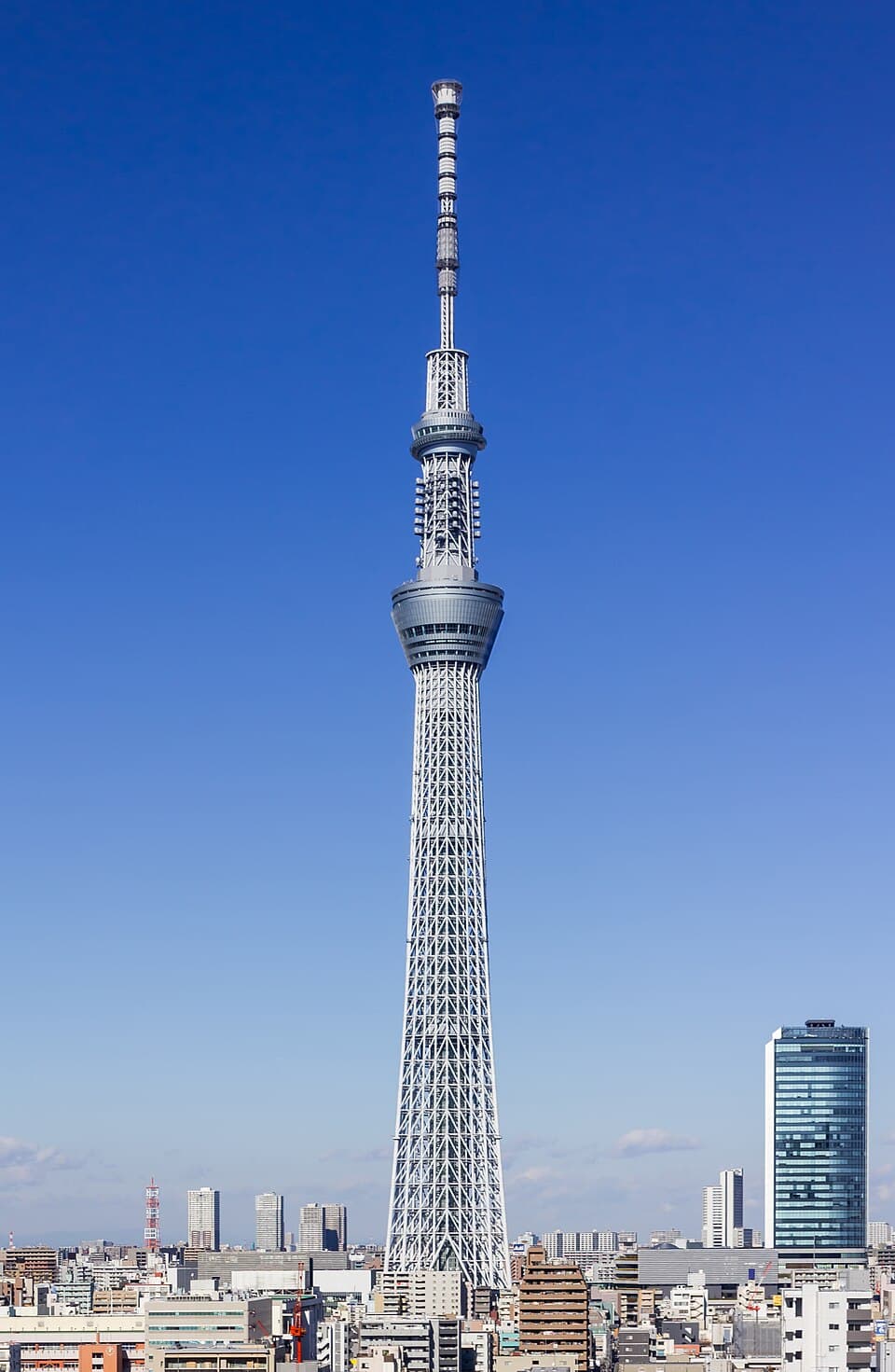
A practical guide to spending 1, 2, or 3 days in Tokyo — covering temples, pop culture, food markets, and iconic landmarks with timing and transport tips.
Akihabara & Otaku Culture Guide
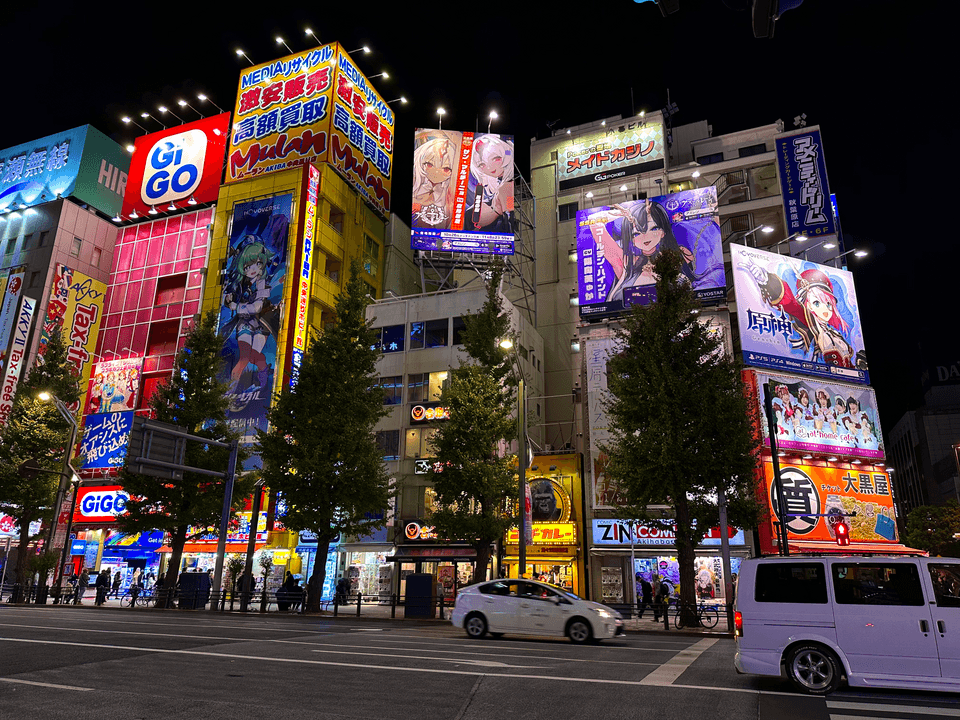
Your complete guide to Tokyo's Electric Town — anime shops, arcades, maid cafés, electronics, and nearby Kappabashi Kitchen Street.
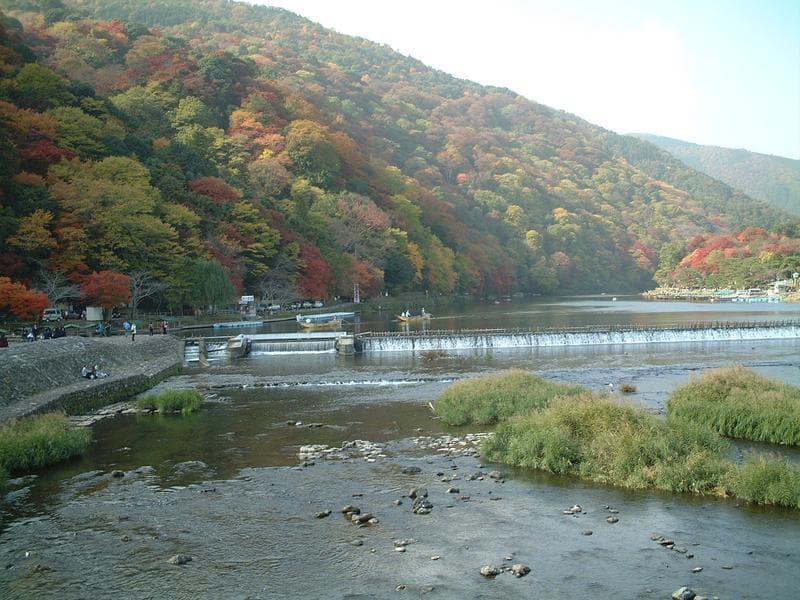
Arashiyama Complete Guide
Bamboo groves, river views, temples, and monkeys — everything you need for a perfect day in Kyoto's western mountain district.
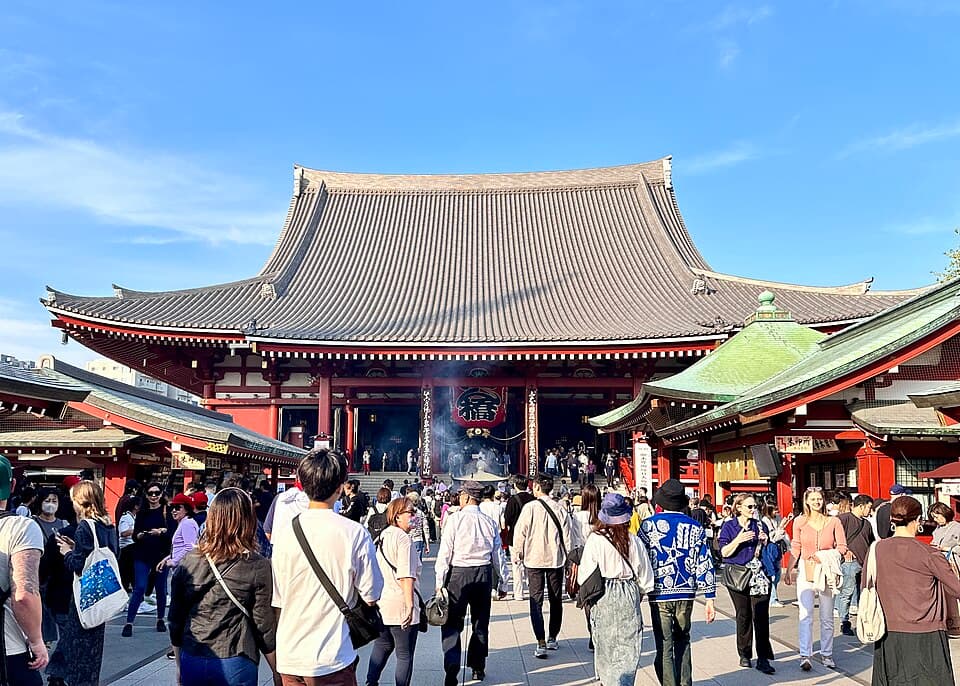
Asakusa & Senso-ji Temple: The Complete Visitor's Guide
Everything you need to know to explore Tokyo's oldest and most visited temple — access, highlights, street food, and where to stay in Asakusa.
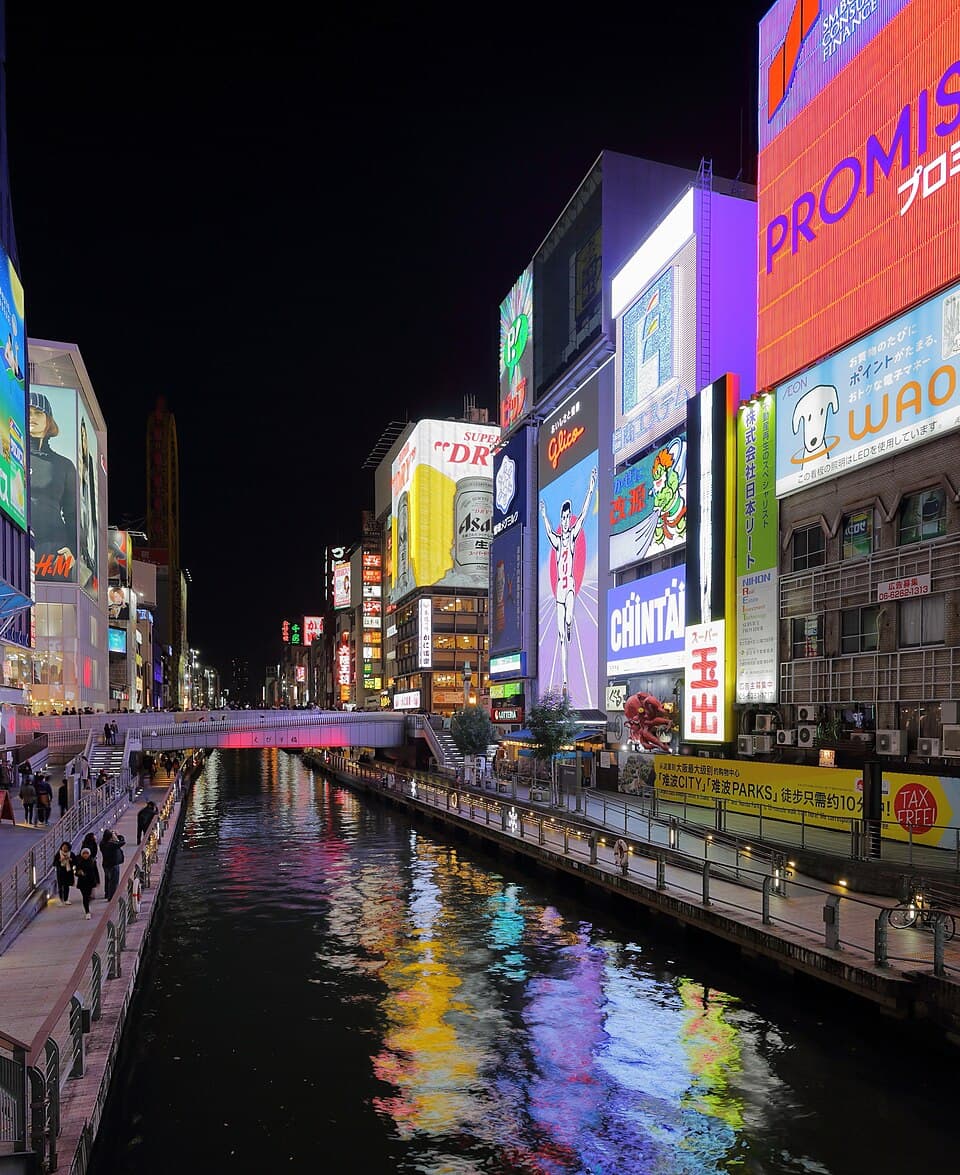
Dotonbori & Shinsekai Food Guide
Osaka's two legendary food districts — neon-lit Dotonbori and retro Shinsekai with its iconic Tsutenkaku Tower. Your guide to the best street food, takoyaki, and kushi-katsu.
Fushimi Inari & Kiyomizu-dera Guide
Kyoto's two most iconic sights — the endless vermillion torii gates of Fushimi Inari and the wooden stage of Kiyomizu-dera — plus Gion and Nishiki Market.
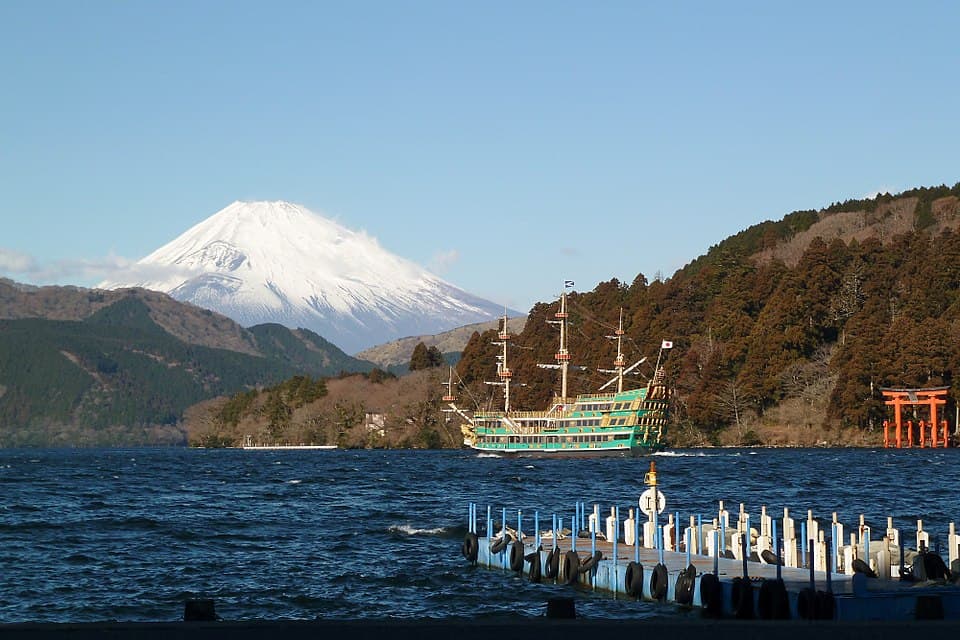
Hakone Complete Guide: Hot Springs, Mt Fuji Views & the Classic Loop
Everything you need to plan the perfect Hakone trip — how to get there, the classic sightseeing loop, onsen, food, and whether to stay overnight.
7 Days in Japan: Where to Stay in Tokyo, Kyoto, and Osaka
A practical 7-day Japan hotel base guide for first-time travelers from the US. Decide how many nights to spend in Tokyo, Kyoto, and Osaka, and choose areas that reduce transit stress.
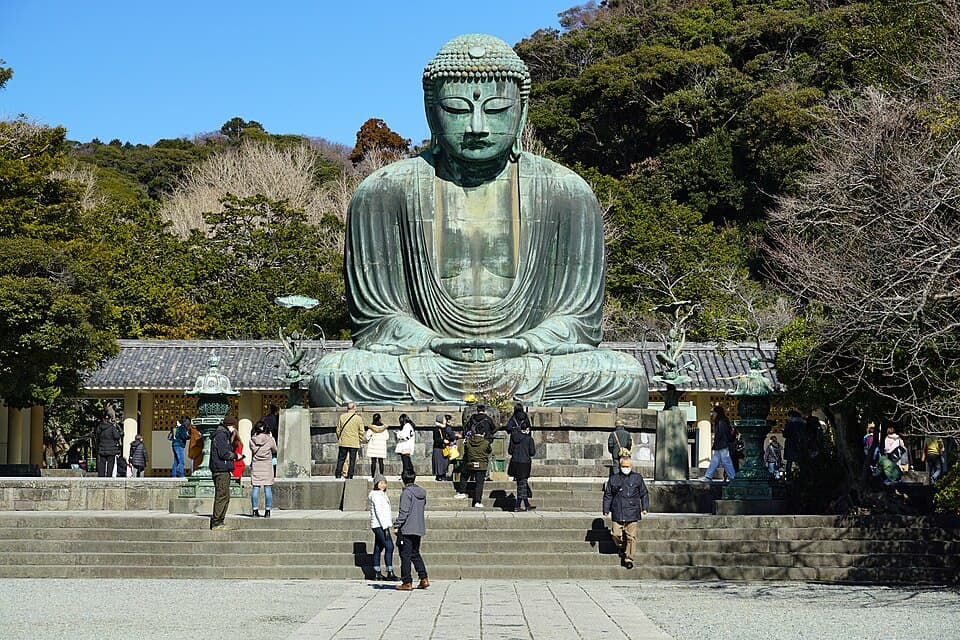
Kamakura Day Trip Guide: Ancient Capital, Great Buddha & Enoshima
Everything you need for a perfect day trip to Kamakura — the Great Buddha, Tsurugaoka Hachimangu, bamboo temples, hiking trails, and an optional Enoshima extension.
Mount Takao Beginner's Hiking Guide
Everything you need to know for your first hike up Mount Takao — trails, access, tips, and where to stay nearby.
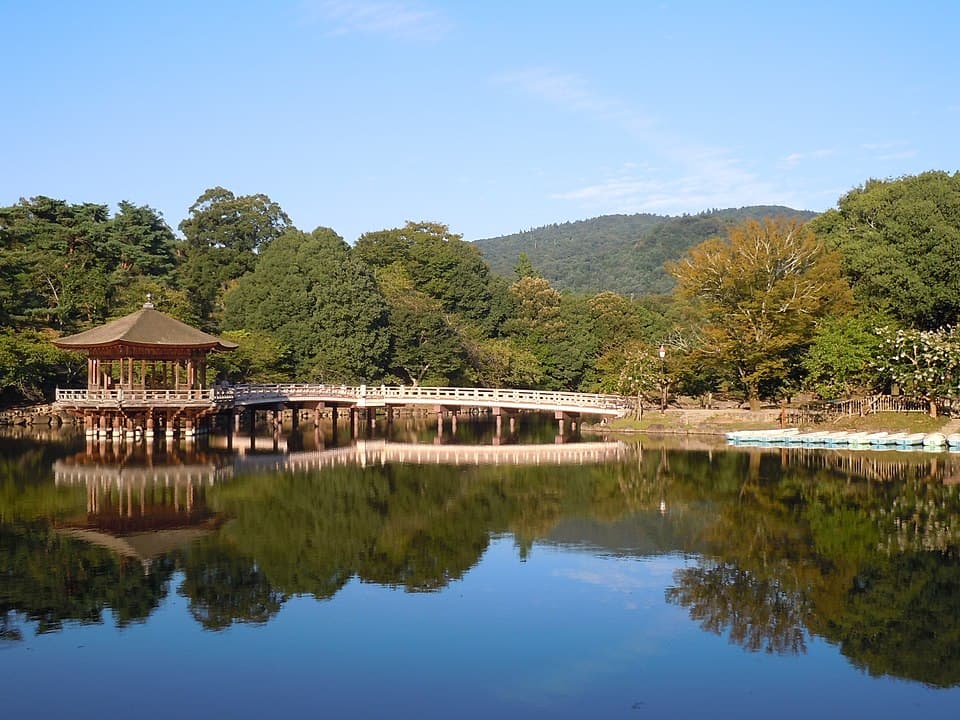
Nara Day Trip Guide
Friendly deer, the Great Buddha, ancient shrines, and peaceful parkland — your complete guide to visiting Nara from Osaka or Kyoto in one day.
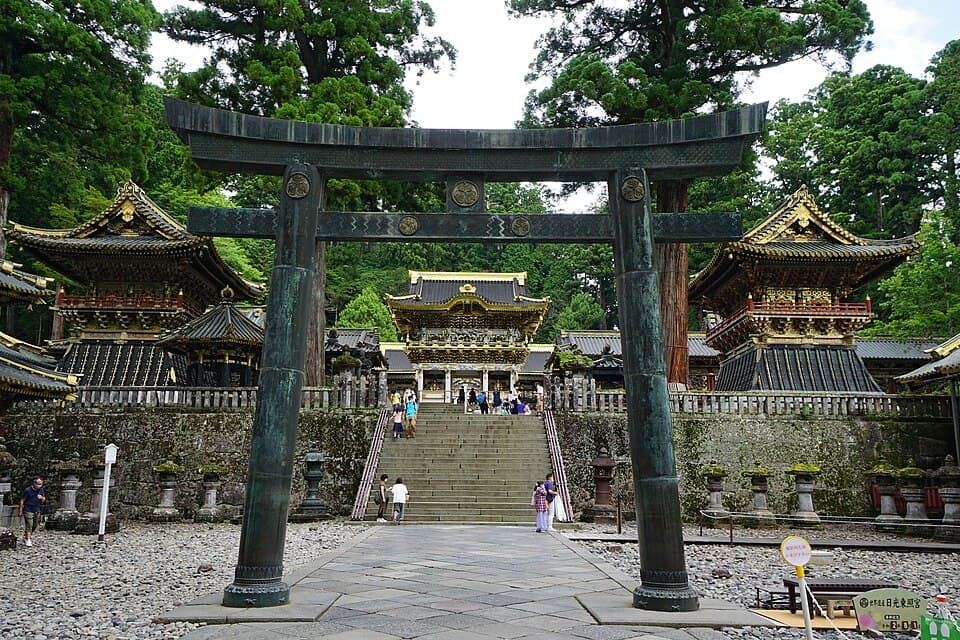
Nikko Day Trip Guide
UNESCO World Heritage temples, stunning waterfalls, and highland lakes — your complete guide to visiting Nikko from Tokyo in one unforgettable day.
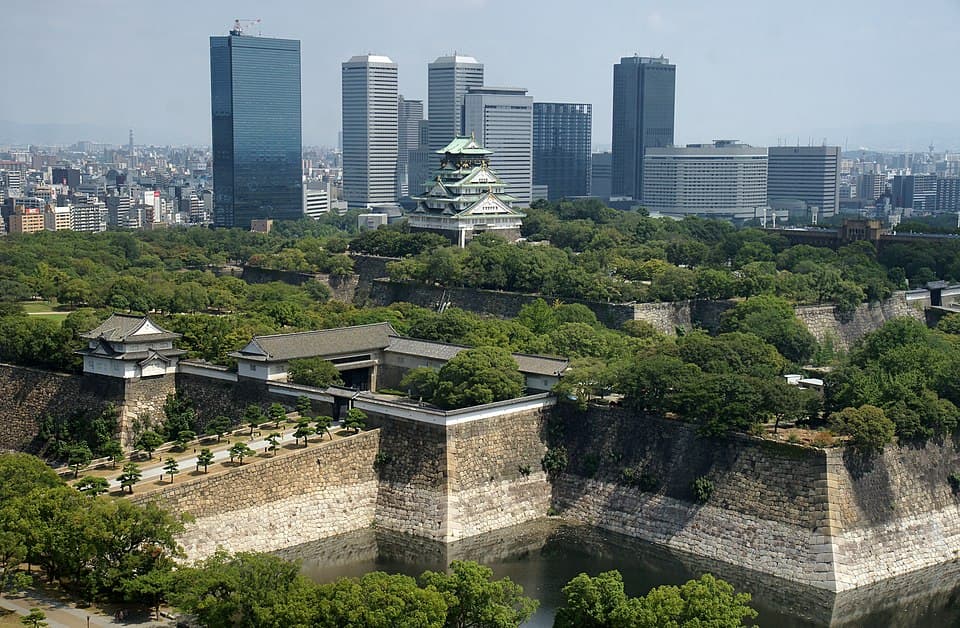
Osaka Castle & Nakanoshima Guide
Osaka's iconic castle, its surrounding park, and the elegant riverside island of Nakanoshima — history, culture, and city views in one walk.
Shibuya & Harajuku Neighborhood Guide
Tokyo's ultimate youth culture epicenter — from the world-famous Scramble Crossing to kawaii fashion on Takeshita-dori and calm forest walks at Meiji Shrine.
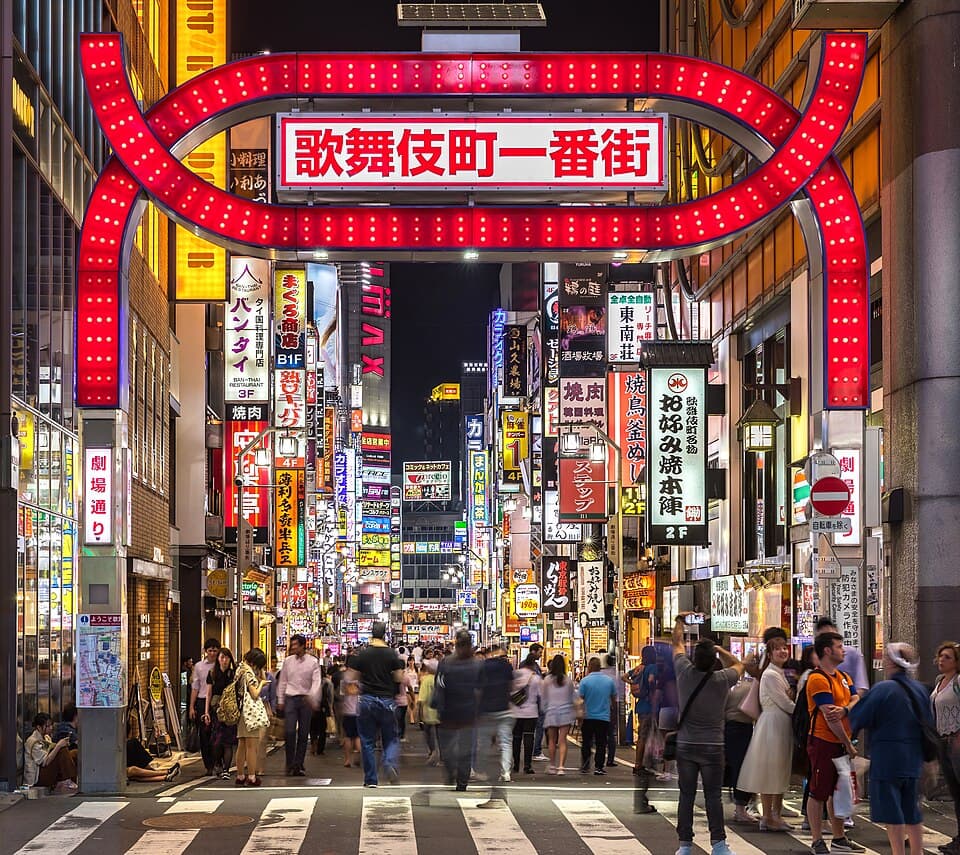
Shinjuku Complete Guide
Everything you need for Tokyo's busiest district — Kabukicho nightlife, Golden Gai bars, Omoide Yokocho, Shinjuku Gyoen, and the free TMG observatory.
Shinjuku vs Ginza vs Asakusa: Which Tokyo Area Is Best?
A practical comparison of Shinjuku, Ginza, and Asakusa for Tokyo hotels. Choose the right area by nightlife, budget, comfort, airport access, sightseeing, and first-time travel style.
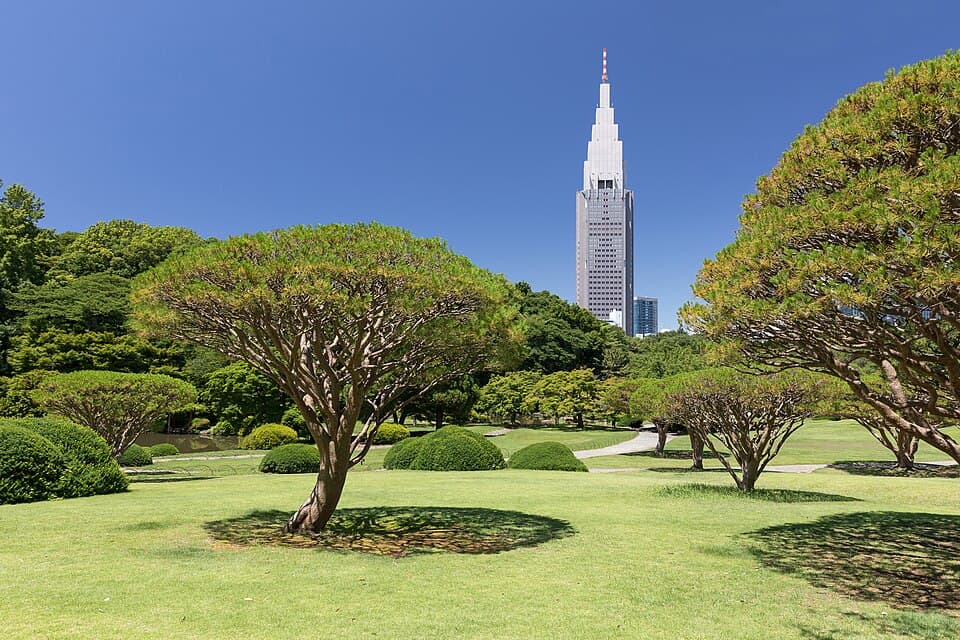
Tokyo Cherry Blossom Guide: Best Spots & Timing
Plan the perfect hanami in Tokyo. Discover the best cherry blossom spots, bloom forecasts, night sakura events, and essential tips for spring in Japan.
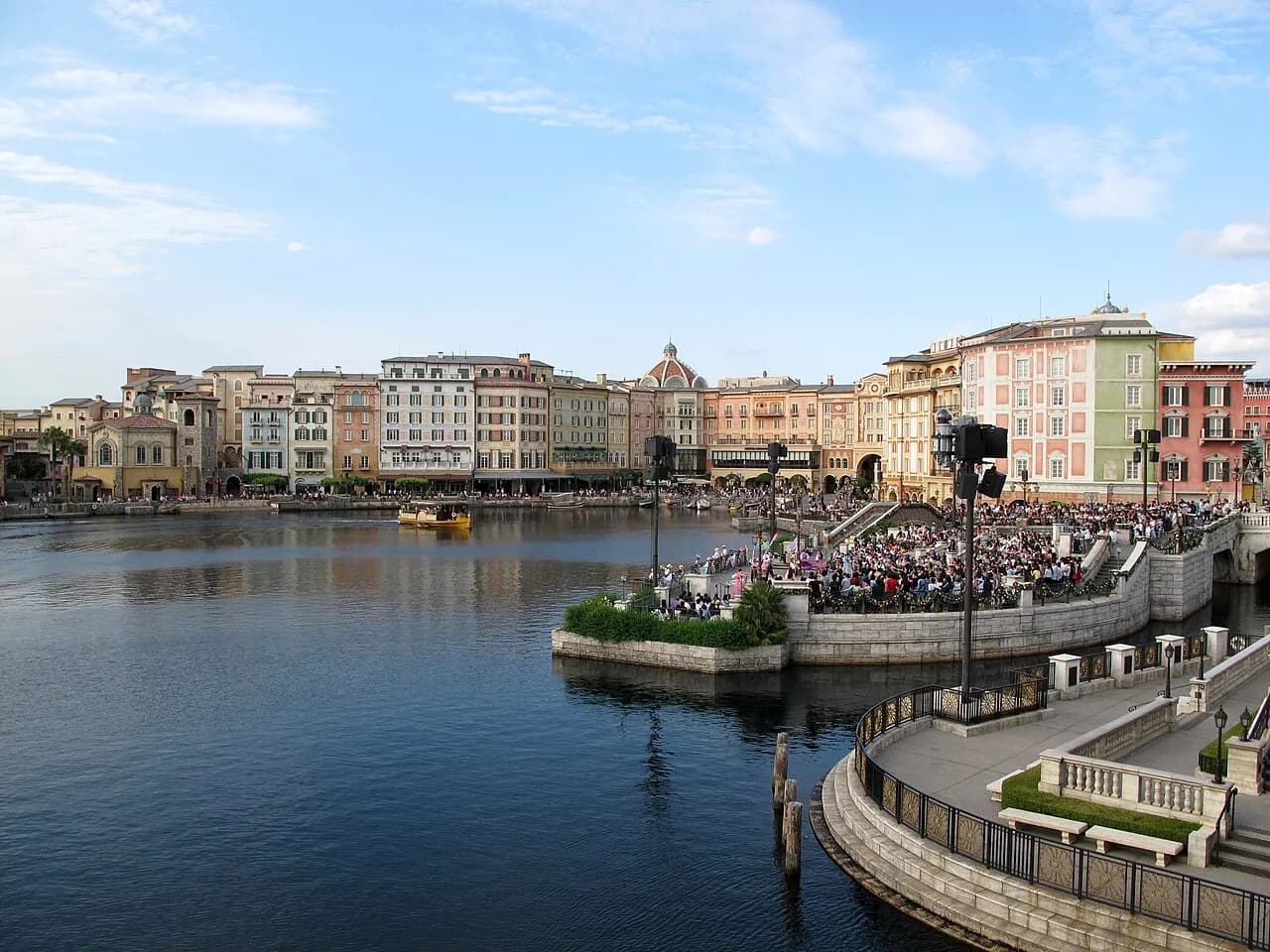
Tokyo Disney or Central Tokyo: Where Should You Stay?
Should you stay near Tokyo Disney Resort, Tokyo Station, Ginza, Shinjuku, or Tokyo Bay? A practical hotel area guide for Disney plus Tokyo sightseeing.
Where to Stay in Tokyo for a First Trip: Best Hotel Areas
A practical first-time Tokyo hotel area guide for travelers from the US. Compare Shinjuku, Ginza, Asakusa, Ueno, Shibuya, and Tokyo Station by itinerary, airport access, budget, and comfort.
Tokyo Shopping Guide: Ginza, Harajuku & Akihabara
From luxury boutiques in Ginza to kawaii fashion in Harajuku and electronics in Akihabara — your complete guide to shopping in Tokyo's best districts.
Tokyo Station, Marunouchi & Ginza Guide
From the iconic red-brick station to the Imperial Palace, luxury Ginza shopping, and Tokyo Tower — explore central Tokyo's most elegant district.
Ueno, Ameyoko & Yanaka Guide
Museums, markets, and old-town charm — explore Ueno Park's world-class collections, the bustling Ameyoko market, and Yanaka's nostalgic streets.
Where to Stay in Osaka: Best Areas for Every Traveler (2026)
A data-driven guide to the best neighborhoods in Osaka for first-time visitors, foodies, budget travelers, and Kyoto day-trippers. Compare Namba, Umeda, Tennoji, and Shinsaibashi.
Where to Stay in Tokyo: Best Areas for Every Traveler (2026)
A data-driven guide to Tokyo's best hotel neighborhoods with real subway travel times, hotel counts, and nightly rates. Compare Shinjuku, Shibuya, Asakusa, Ueno, Ikebukuro, and more.
Information such as prices, hours, and schedules may have changed. Please verify details on official websites before your visit.