Busan 1-Day & 2-Day Model Itinerary
2026-03-13
Guide to Action
Overview
Busan is Korea's second-largest city and its undisputed beach capital — a place where mountains tumble into the sea, fish markets buzz at dawn, and neon-lit seafood alleys come alive after dark. Perched along the southeastern coast, Busan offers a completely different rhythm from Seoul: slower, saltier, and louder in all the right ways.
From the pastel-painted hillside houses of Gamcheon Culture Village to the crashing waves at Haedong Yonggungsa Temple, Busan packs an extraordinary amount of scenery into a compact coastal strip. The city is also Korea's seafood capital — the freshest sashimi, grilled eel, and milky pork-bone soup (dwaeji-gukbap) you will find anywhere in the country.
At just 2.5 hours from Seoul by KTX, Busan works as either a day trip or a leisurely two-day escape. This guide covers both options so you can choose the pace that suits your trip.
Best seasons: Spring (April-May) for cherry blossoms along Haeundae and pleasant beach weather. Summer (July-August) for full beach season — hot and crowded but electric. Autumn (October-November) for comfortable temperatures and stunning coastal light. Winter is mild compared to Seoul, and seafood is at its peak.
Best for: Beach lovers, seafood enthusiasts, temple visitors, photographers, anyone wanting a break from Seoul's intensity.
Getting to Busan
Busan is one of the easiest major cities to reach from Seoul. The KTX high-speed train is the most popular option, but flights and express buses are also available.
| Option | From | Time | Cost |
|---|---|---|---|
| KTX | Seoul Station | ~2 hr 30 min | ₩59,800 |
| SRT | Suseo Station | ~2 hr 25 min | ₩52,600 |
| Flight | Gimpo Airport → Gimhae Airport | ~1 hr | ₩60,000–120,000 |
| Express Bus | Seoul Express Bus Terminal | ~4 hr 20 min | ₩23,000–34,000 |
Book KTX tickets on the Korail app or website 1 month in advance for the best availability. Friday evening and Sunday afternoon trains sell out fast. If you miss the window, the SRT from Suseo Station often has remaining seats at a slightly lower price.
You will arrive at either Busan Station (KTX/SRT, centrally located near Nampo-dong) or Gimhae Airport (flights, connected to the city by the Busan-Gimhae Light Rail and metro). From Busan Station, the entire metro network is at your doorstep.
1-Day Itinerary
One day in Busan is tight but absolutely doable if you start early. This compact route hits the five essential highlights in a single loop from temple to beach, market to village, and finishes with a sunset you will not forget.
Morning: Haedong Yonggungsa Temple (8:30 AM)
Start your day at Busan's most dramatic temple — a rare seaside sanctuary perched on the rocky coastline northeast of Haeundae. Take bus 181 or 100-1 from Haeundae (about 30 minutes). Arriving by 8:30 means fewer crowds and softer morning light bouncing off the ocean.
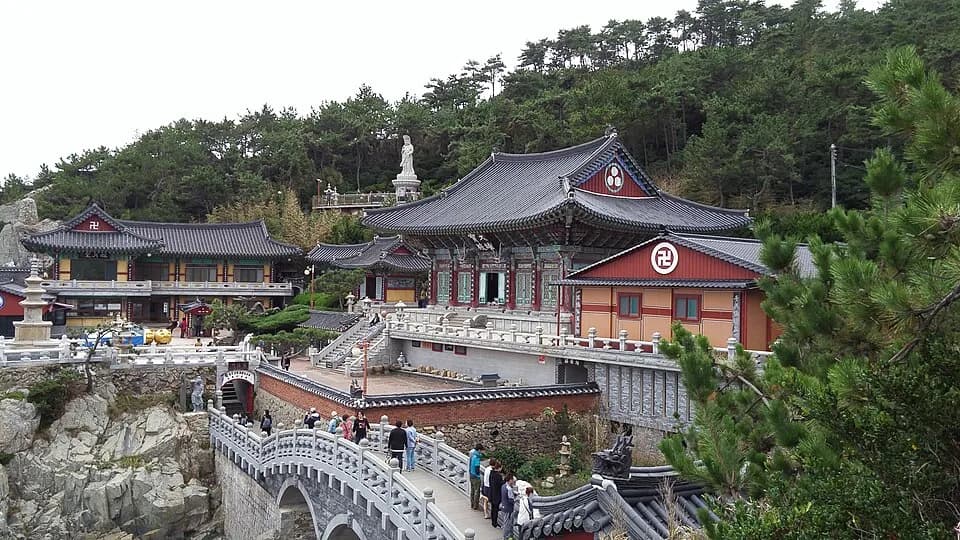
A stunning cliffside Buddhist temple overlooking the East Sea. Unlike most Korean temples hidden in mountains, this one sits right at the water's edge.
- Hours: 5:00–sunset (free admission)
- Time needed: 45 min – 1 hour
- Walk down the 108-step staircase to the main hall — each step is said to wash away a worldly desire
Late Morning: Haeundae Beach (10:00 AM)
Head back to Haeundae for a stroll along Korea's most famous beach. The 1.5 km crescent of white sand is backed by a lively boardwalk with cafes, convenience stores, and photo spots. Even outside of swimming season, the coastal energy here is infectious.
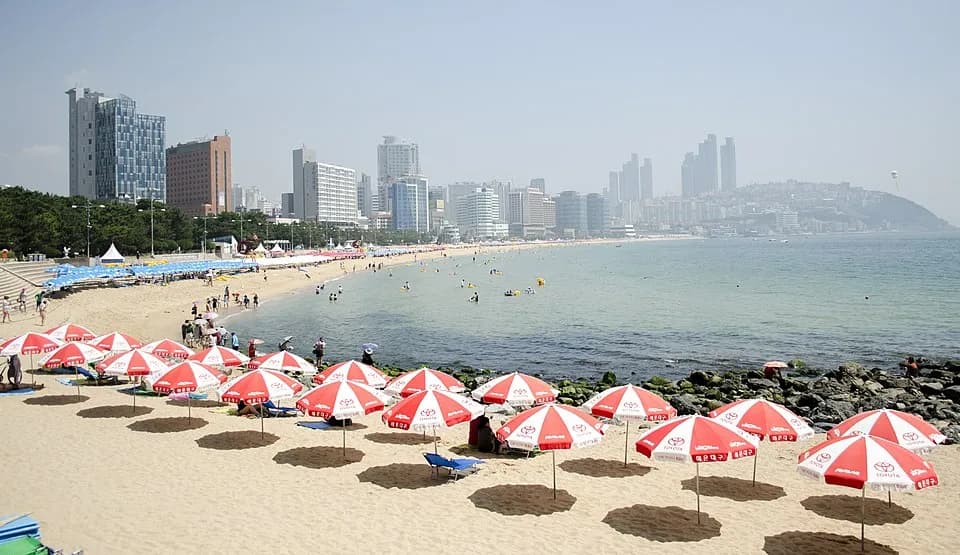
Korea's most iconic beach — 1.5 km of white sand, a vibrant boardwalk, and the Busan skyline rising behind the shore.
Grab brunch at one of the beachfront cafes. Try ssiat-hotteok (seed-filled sweet pancakes) from the famous stalls near the beach entrance — a Busan street food staple you will not find easily elsewhere.
Lunch: Jagalchi Fish Market (12:00 PM)
Take metro Line 2 from Haeundae to Jagalchi Station (about 40 minutes). This is Korea's largest fish market — a sprawling complex where the ground floor is a wet market of live seafood tanks, and the upper floors are restaurants where you can eat what you just picked out downstairs.
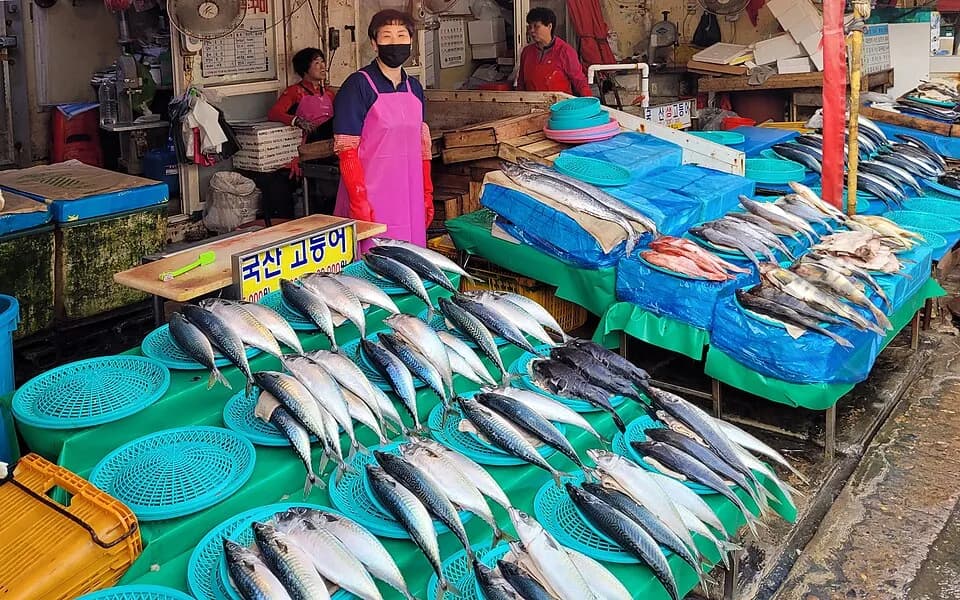
Jagalchi Market
Jagalchi Fish Market
Korea's largest seafood market. Pick your fish from the tanks downstairs, then head upstairs to have it prepared as sashimi, grilled, or in a stew.
- Budget: ₩30,000–50,000 for a generous sashimi platter for 2
- Must-try: Live fish sashimi (hoe), spicy raw fish soup (maeuntang), grilled shellfish
Point at the fish you want in the ground-floor tanks, negotiate the price, then carry your purchase upstairs to any restaurant. They will charge a small preparation fee (₩5,000–10,000) to slice and plate it with all the side dishes. This is the authentic Jagalchi experience.
Afternoon: Gamcheon Culture Village (2:00 PM)
From Jagalchi, take bus 1-1, 2, or 2-2 to Gamcheon Culture Village (about 20 minutes). Often called Busan's Machu Picchu or Santorini, this hillside neighborhood was transformed from a war-refugee settlement into an open-air art gallery. Pastel-colored houses cascade down the slope, connected by narrow alleys filled with murals, sculptures, and quirky cafes.
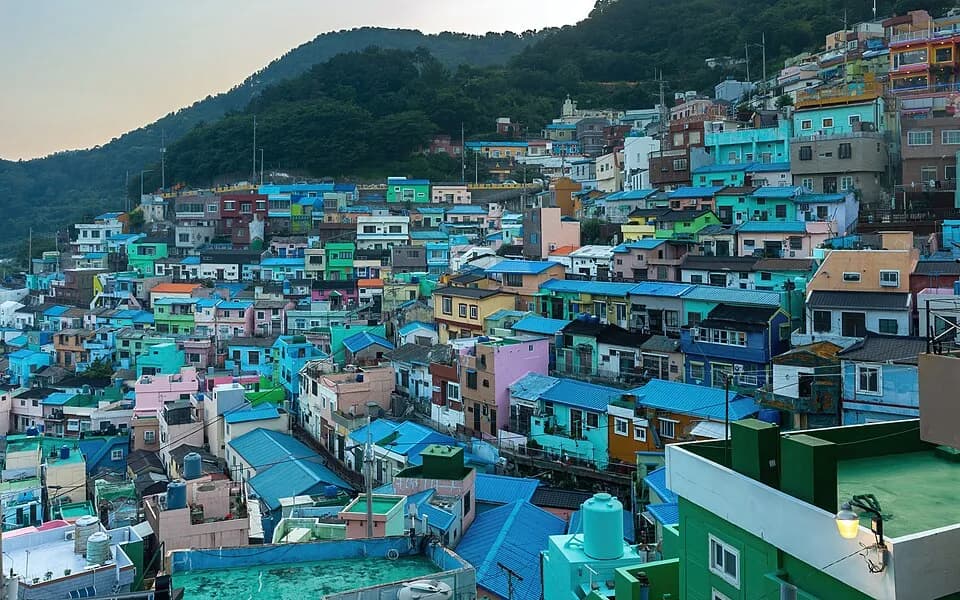
A hillside village of pastel-painted houses turned open-air art gallery. Winding alleys reveal murals, sculptures, and sweeping views of Busan's harbor.
- Stamp trail: Buy a stamp map (₩2,000) at the village entrance and collect stamps at checkpoints throughout the village — complete it and exchange for a postcard
- Time needed: 1.5–2 hours
- The Little Prince and Fox statue at the top viewpoint is the most photographed spot
Evening: Gwangalli Beach & Sunset (5:30 PM)
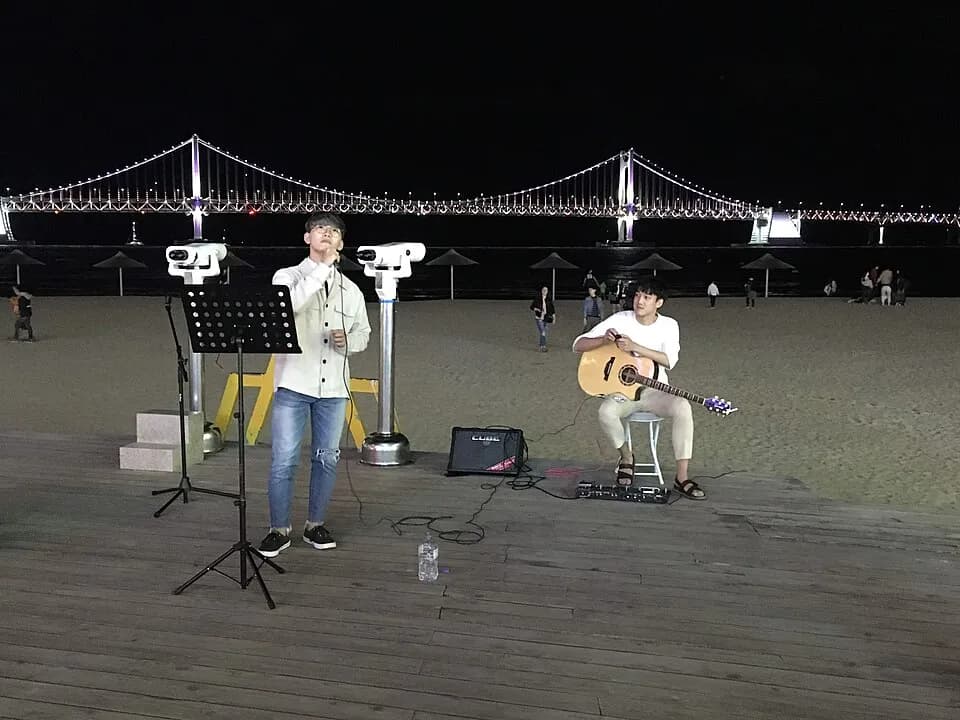
Finish your day at Gwangalli Beach, where the sunset over the sea paints the sky orange and the Diamond Bridge lights up in a dazzling display after dark. The beachfront strip is lined with seafood restaurants, craft beer bars, and live music venues.
Busan's most atmospheric beach — famous for sunset views of the illuminated Gwangan Diamond Bridge and a lively strip of seafood restaurants.
Order grilled clams or raw fish at one of the beachfront restaurants while watching the bridge light show. The illumination runs nightly and changes colors and patterns — it is one of Busan's most memorable sights.
2-Day Itinerary
With two days, you can experience Busan at a relaxed pace, splitting the city into its western old-town side and the eastern beach-and-temple side.
Day 1: Old Town, Markets & Sunset
Morning: Gamcheon Culture Village (9:00 AM)
Start at Gamcheon Culture Village before the tour groups arrive. The morning light hits the colorful houses beautifully, and the alleys are quiet enough to explore at your own pace. Spend a full two hours wandering, collecting stamps, and soaking in the views.
Arrive early for the best light and fewest crowds. The winding alleys and panoramic harbor views reward those who take their time.
Lunch: Jagalchi Fish Market (11:30 AM)
Head down to Jagalchi for a proper seafood lunch. With more time on a 2-day trip, you can browse the entire market, watch the auctioneers, and take your time choosing the freshest catch.
Jagalchi Market
Jagalchi Fish Market
Take your time at Korea's largest fish market — browse the tanks, haggle for your pick, and eat it fresh upstairs.
Afternoon: Nampo-dong, BIFF Square & Yongdusan Park (1:30 PM)
Walk from Jagalchi into the heart of Busan's old downtown. BIFF Square (Busan International Film Festival plaza) is a pedestrian zone with hand-printed movie star plaques on the ground and famous hotteok vendors. Continue uphill to Yongdusan Park, home to Busan Tower (120 meters) — the observation deck offers 360-degree views over the harbor, bridges, and mountains.
- Busan Tower admission: ₩12,000 (adults)
- BIFF Square hotteok: ₩1,500 — crispy, seed-filled, and worth the line
Evening: Gwangalli Beach (5:00 PM)
Metro to Gwangalli for sunset. Settle into a beachfront seafood restaurant early to secure a window seat facing the Diamond Bridge. Order a haemul-pajeon (seafood pancake) with makgeolli (rice wine) — the classic Busan pairing.
The Diamond Bridge light show begins at sunset and runs through the evening — pair it with seafood and makgeolli for the quintessential Busan night.
Day 2: Temples, Beaches & Nightlife
Morning: Haedong Yonggungsa Temple (8:00 AM)
Take an early bus from Haeundae to the temple. With the morning entirely dedicated to the temple and coastline, you can explore the surrounding cliff paths and small shrines that most visitors miss when rushing through.
The morning sun rising over the East Sea behind the temple is one of Busan's most powerful sights.
Late Morning: Songjeong Beach & Cafe (10:30 AM)
Instead of heading straight back to Haeundae, stop at Songjeong Beach — a quieter, more local beach just north of Haedong Yonggungsa. The relaxed surfer vibe and cute beachfront cafes make it a perfect mid-morning break.
Lunch: Haeundae Market (12:00 PM)
Skip the tourist restaurants and dive into Haeundae Traditional Market, a covered market a few blocks inland from the beach. Try eomuk (Busan fish cakes, the city's signature snack), milmyeon (cold wheat noodles in icy broth — a Busan original), and dwaeji-gukbap (milky pork bone soup with rice, ₩8,000–10,000).
Afternoon: Centum City & Spa Land (2:00 PM)
Head to Centum City, home to the Shinsegae Department Store (the world's largest by floor area, per Guinness). After shopping, unwind at Spa Land on the top floor — a premium jjimjilbang (Korean spa) with 22 themed spa rooms fed by natural hot springs.
- Spa Land admission: Adult entry now starts at around ₩25,000
- Hours: About 8:00 AM – 11:00 PM (last entry around 10:00 PM; check the latest notice before visiting)
Spa Land is one of Korea's best jjimjilbang experiences. The themed rooms range from a Roman bath to a Finnish sauna to a Himalayan salt room. Budget at least 2 hours to enjoy it properly. Towels and spa clothes are included.
Evening: Haeundae Beach & Dongbaek Island (5:30 PM)
Walk along Haeundae Beach to the southern end, where a coastal trail leads to Dongbaek Island (Camellia Island) — actually a small peninsula connected to the mainland. The 30-minute loop trail passes the APEC House, camellia trees, and dramatic cliff viewpoints. Time it for sunset and the views are extraordinary.
The Dongbaek Island coastal walk at the southern tip of Haeundae is one of Busan's hidden gems — dramatic cliffs, APEC history, and sunset views.
Night: Seomyeon (8:00 PM)
End your Busan trip in Seomyeon, the city's entertainment and nightlife hub. The area around Seomyeon Station is packed with restaurants, bars, karaoke rooms, and late-night street food stalls. Try a final round of chimaek (fried chicken and beer — a Korean national pastime) before heading back.
Transport Tips
Busan Metro
Busan's metro system has 6 lines covering most major attractions. A single ride now starts at ₩1,600 with a transit card. The metro runs from approximately 5:30 AM to midnight.
| Route | Line | Time | Notes |
|---|---|---|---|
| Busan Station → Haeundae | Line 1 → transfer Line 2 | ~40 min | Transfer at Seomyeon |
| Busan Station → Jagalchi | Line 1 | ~5 min | 1 stop |
| Seomyeon → Haeundae | Line 2 | ~25 min | Direct |
| Seomyeon → Gwangalli | Line 2 | ~10 min | Geumnyeonsan Station |
T-money / Mybi Card
Your T-money card from Seoul works throughout Busan on metros, buses, and even some taxis. If you need a new card, pick up a Mybi card (Busan's local equivalent) at any convenience store for ₩2,500.
Buses
Some attractions — notably Haedong Yonggungsa and Gamcheon Culture Village — are not directly on the metro line. Buses are essential for these spots. Fare is ₩1,300 with a transit card, and transfers within 30 minutes are free.
Taxis
Busan taxis are affordable. A ride from Haeundae to Jagalchi costs roughly ₩15,000–20,000. Kakao T (ride-hailing app) works well in Busan. Most drivers do not speak English, so have your destination name in Korean ready.
The Busan City Tour Bus (₩15,000 day pass) runs two loop routes — Haeundae and Taejongdae — that cover most tourist attractions with hop-on-hop-off convenience. It is a solid option if you prefer not to navigate buses and metro transfers.
Where to Stay
Haeundae is the top choice for beach access, ocean-view hotels, and proximity to the temple and Centum City. Seomyeon is the best central base with excellent metro connections and the liveliest nightlife. Nampo-dong puts you steps from Jagalchi Market, BIFF Square, and the old-town charm of Busan's original downtown.
Plan Your Stay
Add these spots to your trip, then find the best hotel area near all of them.
FAQ
Explore more Busan spots:
A cliffside temple where ocean spray meets ancient prayer — one of Korea's most unforgettable sacred sites.
Pastel houses, winding alleys, and harbor views — Busan's most colorful neighborhood is an open-air gallery you can walk through.
Jagalchi Market
Jagalchi Fish Market
Pick your own fish and eat it fresh — Korea's largest seafood market is a feast for all the senses.
Find the best hotel area for this guide
4 spots are already loaded so you can refine the hotel base below.
Plan Your Stay
Add these spots to your trip, then find the best hotel area near all of them.
More Guides
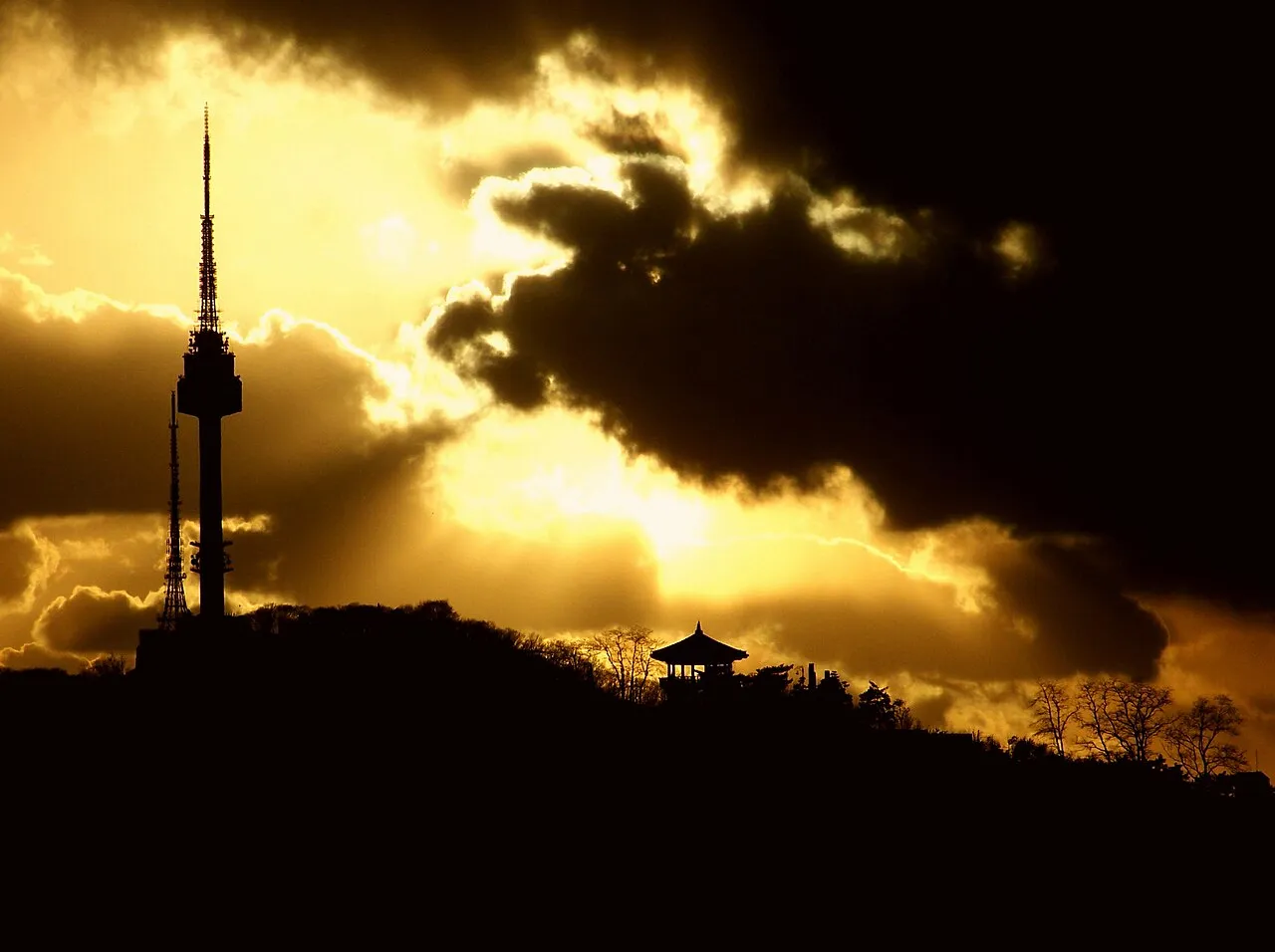
Seoul 1-Day, 2-Day & 3-Day Model Itinerary
Practical day-by-day plans for Seoul — palaces, markets, K-pop, nightlife, and hidden gems organized by duration.
Gamcheon Culture Village, Nampo-dong & Jagalchi: Busan's Colorful Old Town
Busan's most photogenic hillside village, Korea's largest fish market, and the vibrant original downtown — art, seafood, and street food in one walk.
Haedong Yonggungsa & Taejongdae: Busan's Oceanside Temples & Cliffs
A seaside temple perched on ocean cliffs, Busan's dramatic southern peninsula, and peaceful Songjeong Beach — nature at its finest.
Haeundae & Gwangalli Beach: Sun, Seafood & Ocean Views
Korea's most famous beaches — Haeundae's white sand, Gwangalli's bridge night views, Dongbaek Island trail, and the freshest seafood in Busan.
Where to Stay in Busan: Best Areas for Every Traveler (2026)
A data-driven guide to the best neighborhoods in Busan for first-time visitors, beach lovers, foodies, and budget travelers. Compare Haeundae, Seomyeon, Nampo-dong, and Gwangalli.
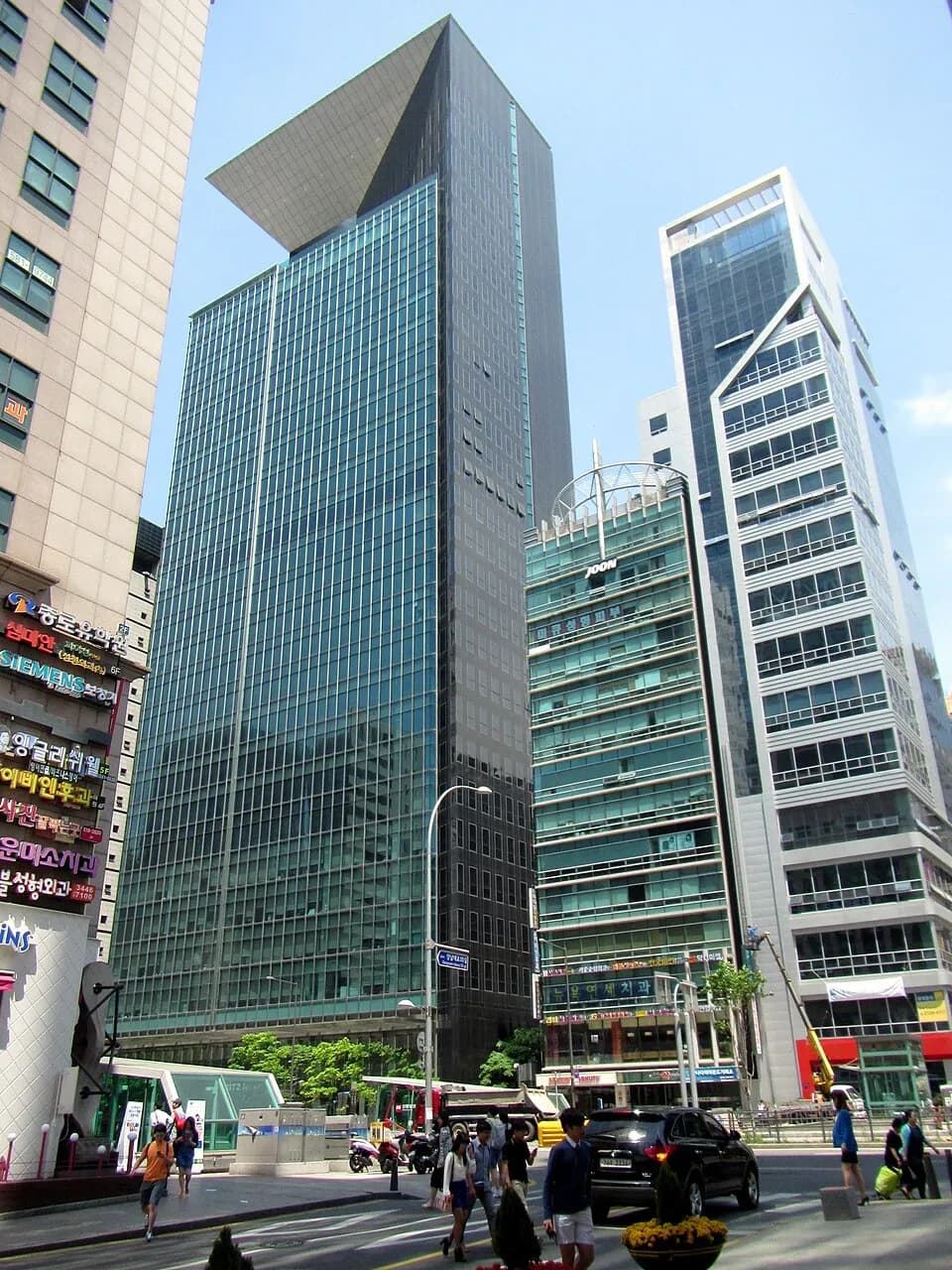
Gangnam & Garosu-gil: Upscale Shopping, Cafés & K-Pop Culture
Seoul's glitzy south side — luxury malls, tree-lined Garosu-gil, COEX, and the heart of K-pop.
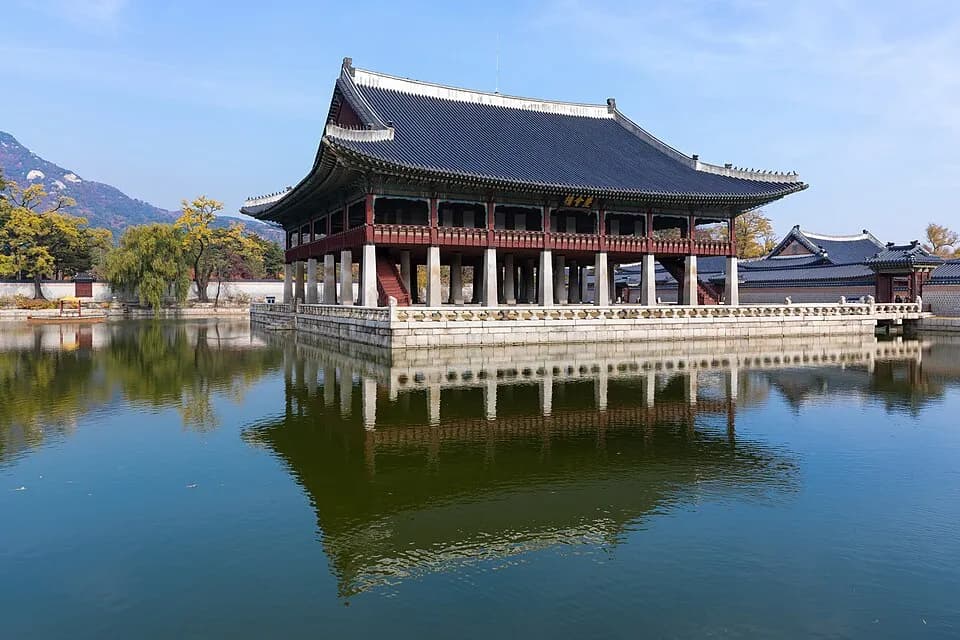
Gyeongbokgung Palace & Bukchon Hanok Village: The Complete Seoul Heritage Guide
A detailed guide to Seoul's most iconic royal palace and traditional hanok neighborhood — access, highlights, hanbok tips, nearby cafes, and where to stay.
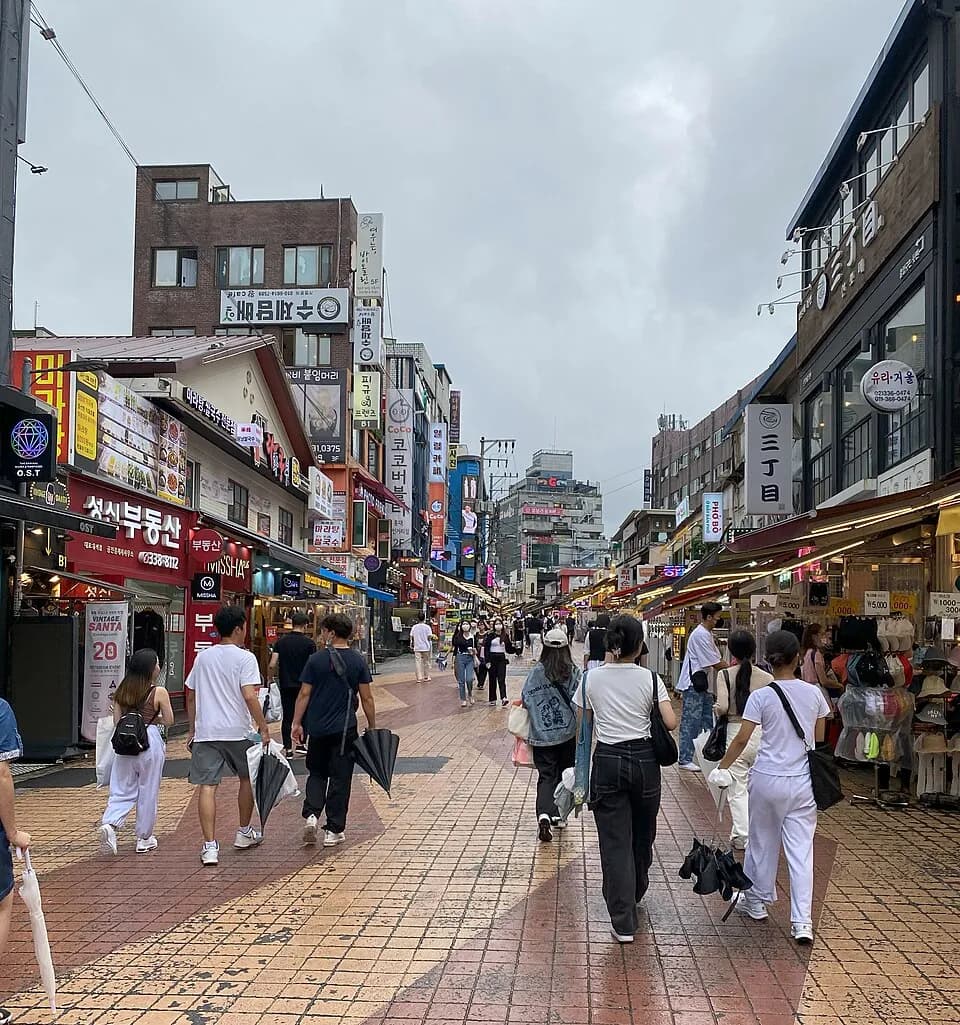
Hongdae & Yeonnam-dong: Indie Culture, Cafes & Nightlife
Seoul's vibrant youth hub — street performances, indie shops, craft cafes, and Korea's best nightlife scene.
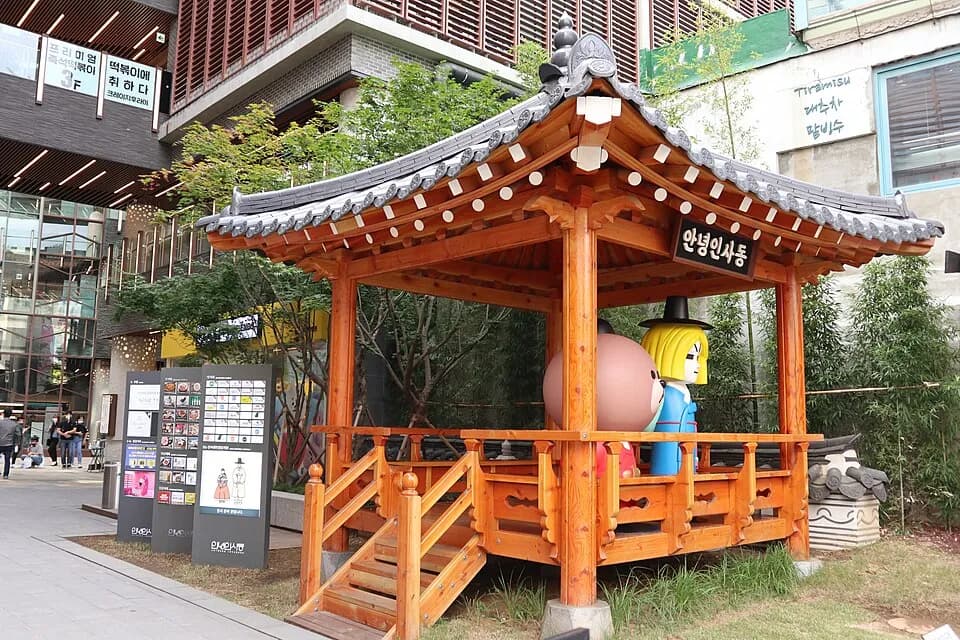
Insadong & Jongno: Traditional Tea Houses, Galleries & Cheonggyecheon
Seoul's cultural heartland — antique shops, traditional tea, Changdeokgung's Secret Garden, and the revitalized Cheonggyecheon Stream.
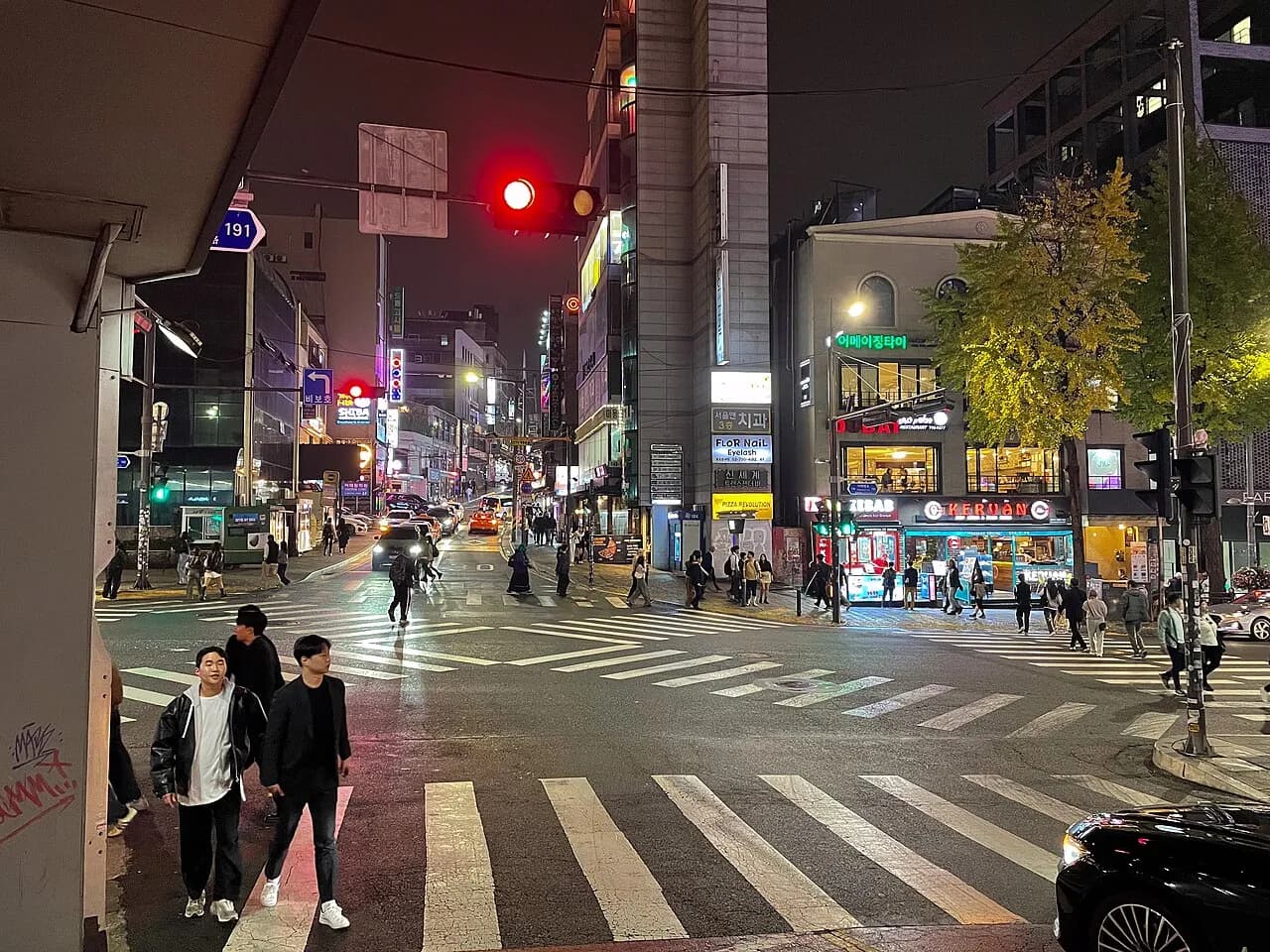
Itaewon & Hannam: Global Food, Rooftop Bars & Multicultural Seoul
Seoul's most international neighborhood — world cuisines, craft cocktails, Hannam's gallery scene, and Haebangchon's hilltop charm.
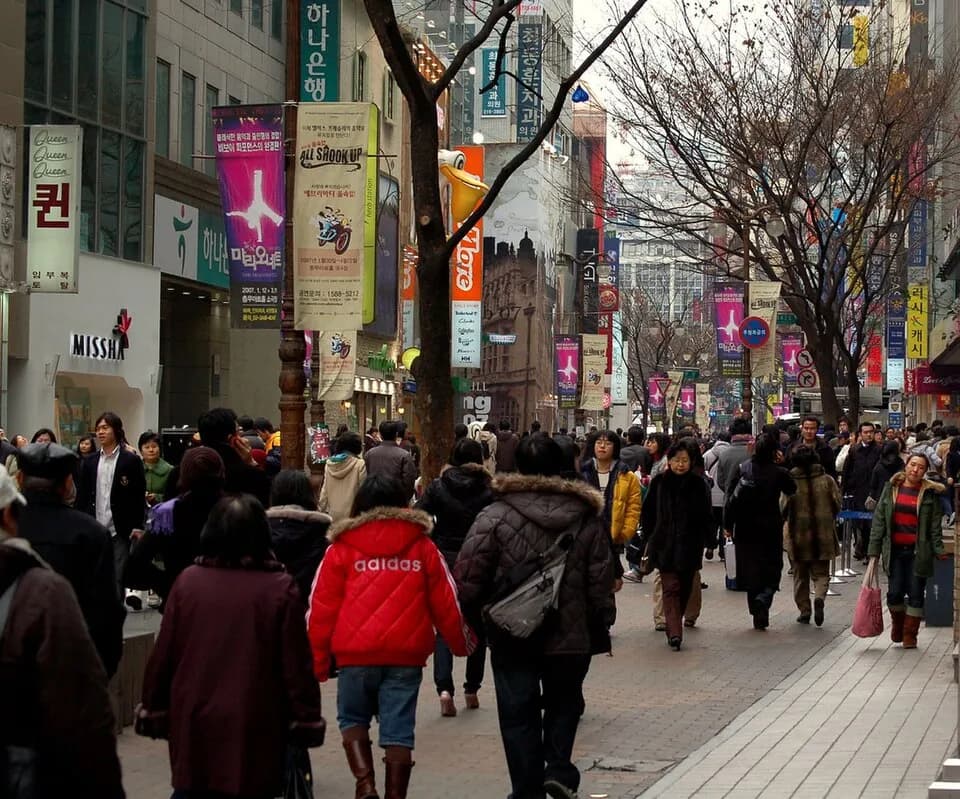
Myeongdong & Namdaemun: Seoul's Shopping & Street Food Paradise
K-beauty flagships, sizzling street food, and Korea's oldest market — your complete guide to Myeongdong and Namdaemun in central Seoul.
Where to Stay in Seoul: Best Areas for Every Traveler (2026)
A data-driven guide to the best neighborhoods in Seoul for first-time visitors, nightlife lovers, culture seekers, and K-pop fans. Compare Myeongdong, Hongdae, Jongno, Gangnam, and more.
Information such as prices, hours, and schedules may have changed. Please verify details on official websites before your visit.