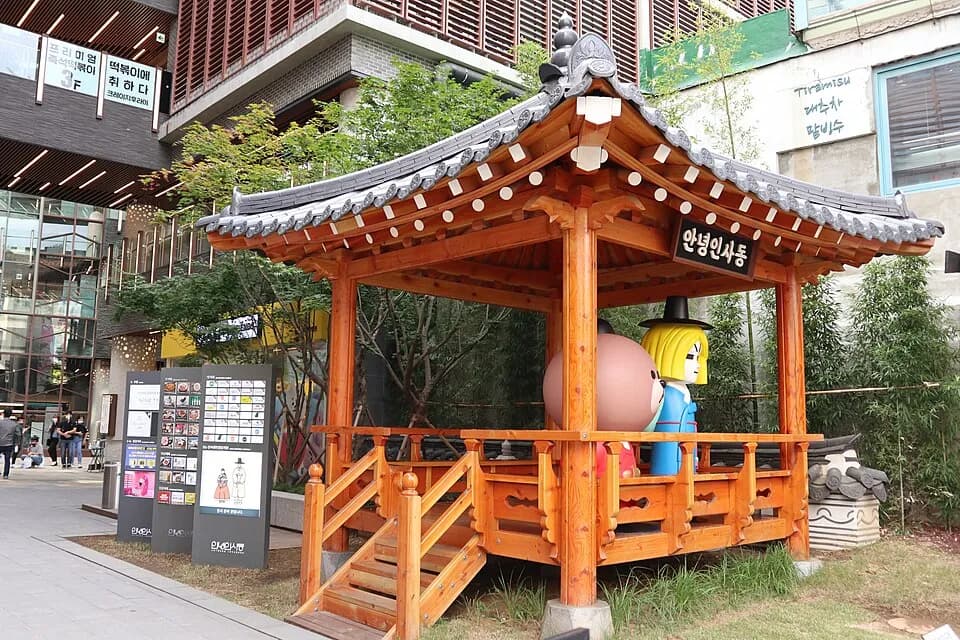
Insadong & Jongno: Traditional Tea Houses, Galleries & Cheonggyecheon
2026-03-13
Guide to Action
Overview
Insadong and Jongno sit at the very center of Seoul's 600-year history. Insadong-gil, the neighborhood's main artery, has been the city's art and antique hub since the Joseon Dynasty, when noble families sold off heirlooms through the street's dealers. Today it remains the best place in Seoul to find traditional ceramics, calligraphy brushes, hanji (handmade paper), and gallery art — all within a compact, walkable corridor.
Jongno ("Bell Street") is the historic main road of Seoul, stretching from Gwanghwamun to Dongdaemun. It was the political and commercial backbone of Joseon-era Hanyang, lined with government offices, markets, and the great bell that gave the street its name. The area still pulses with energy — from the solemn grounds of Jongmyo Shrine to the lively street food stalls of the surrounding alleys.
Best for: Culture and history lovers, art collectors, tea enthusiasts, anyone seeking Seoul beyond the K-pop surface.
Seoul's art and antique district — traditional galleries, craft shops, and the best traditional tea houses in the city.
Getting There
Both Insadong and Jongno are centrally located and served by multiple subway lines.
| From | Route | Time | Cost |
|---|---|---|---|
| Incheon Airport | AREX to Seoul Station → Line 1 to Jongno 3-ga | ~70 min | Check current fare |
| Gangnam | Line 3 to Anguk Station (Exit 6) | ~25 min | ₩1,550 with T-money |
| Hongdae | Line 2 to Euljiro 3-ga → Line 3 to Anguk | ~25 min | ₩1,550 with T-money |
| Myeongdong | Line 4 to Chungmuro → Line 3 to Anguk | ~15 min | ₩1,550 with T-money |
| Seoul Station | Line 1 to Jongno 3-ga | ~10 min | ₩1,550 with T-money |
Anguk Station (Line 3, Exit 6) drops you right at the entrance to Insadong-gil. Jongno 3-ga Station (Lines 1, 3, 5) is the main hub for Jongno, Tapgol Park, and Jongmyo Shrine. Both stations are a 10-minute walk from each other through Insadong itself.
Insadong
Insadong-gil Main Street
Insadong-gil runs roughly north-south for about 700 meters, from Anguk Station down to Jongno 2-ga. The street is pedestrian-only on weekends, and both sides are lined with galleries, antique shops, craft stores, and tea houses tucked into narrow side alleys. This is not a tourist-manufactured "traditional" street — many of these shops have been operating for decades, and serious collectors still come here to buy.
Look for hanji (traditional handmade Korean paper), muk (ink sticks), calligraphy brushes, celadon ceramics, and hand-carved wooden stamps (dojang). Prices range from a few thousand won for small souvenirs to millions for genuine antiques.
Ssamziegil
At the center of Insadong-gil, Ssamziegil is a multi-level open-air craft complex built around a continuous spiral walkway. You enter at the ground floor and walk upward through four floors of independent artist studios, craft workshops, and quirky boutiques — no two shops are alike. The rooftop terrace offers a pleasant view over Insadong's tiled rooftops.
Highlights include handmade jewelry, custom name seals, Korean textile accessories, and small ceramic pieces you won't find anywhere else. Several studios let you try crafts yourself (pottery painting, hanji crafts) for ₩10,000–20,000.
Galleries & Kyunginmiseulgwan Art Center
Insadong is home to over 100 galleries, ranging from major institutions to one-room exhibition spaces in basements. The Kyunginmiseulgwan Art Center (경인미술관) is one of the most established, set in a beautiful hanok (traditional Korean house) courtyard. Entry to most galleries is free, and openings often serve tea and rice cakes.
For a deeper dive, explore the side alleys branching off Insadong-gil. These narrow lanes hide some of the most authentic antique shops, family-run tea houses, and tiny galleries that the main street crowds miss entirely.
Jongno & Tapgol Park
Tapgol Park & the March 1st Movement
Tapgol Park (탑골공원) is a small urban park with enormous historical weight. On March 1, 1919, Korean independence activists gathered here to read the Korean Declaration of Independence, igniting the March 1st Movement — the largest organized protest against Japanese colonial rule. The park contains a ten-panel bronze relief depicting the movement and a statue of independence leader Son Byong-hi.
The park is also home to the Wongaksa Pagoda (National Treasure No. 2), a ten-story marble pagoda from 1467 that is one of the finest surviving examples of Joseon-era stone architecture.
Jongmyo Shrine
A short walk south from Tapgol Park brings you to Jongmyo Shrine (종묘), a UNESCO World Heritage site and the royal ancestral shrine of the Joseon Dynasty. The main hall, Jeongjeon, is 101 meters long — the longest wooden structure in Asia — and houses the spirit tablets of 19 Joseon kings and 30 queens.
Jongmyo is open to free-roaming visitors only on Saturdays; other days require a guided tour (available in English, ₩1,000 admission). The annual Jongmyo Jerye ceremony in May reenacts the original Confucian royal rites with traditional music and dance — a UNESCO Intangible Heritage event.
Pimatgol Alleys
The narrow Pimatgol alleys running parallel to Jongno's main road have a colorful history — "pimatgol" literally means "horse-avoiding alley," because commoners used them to dodge the mounted processions of Joseon-era officials. Today, parts of the alleys survive as pockets of old-school Korean restaurants and drinking spots (pojangmacha-style) that feel pleasantly untouched by redevelopment.
Changdeokgung
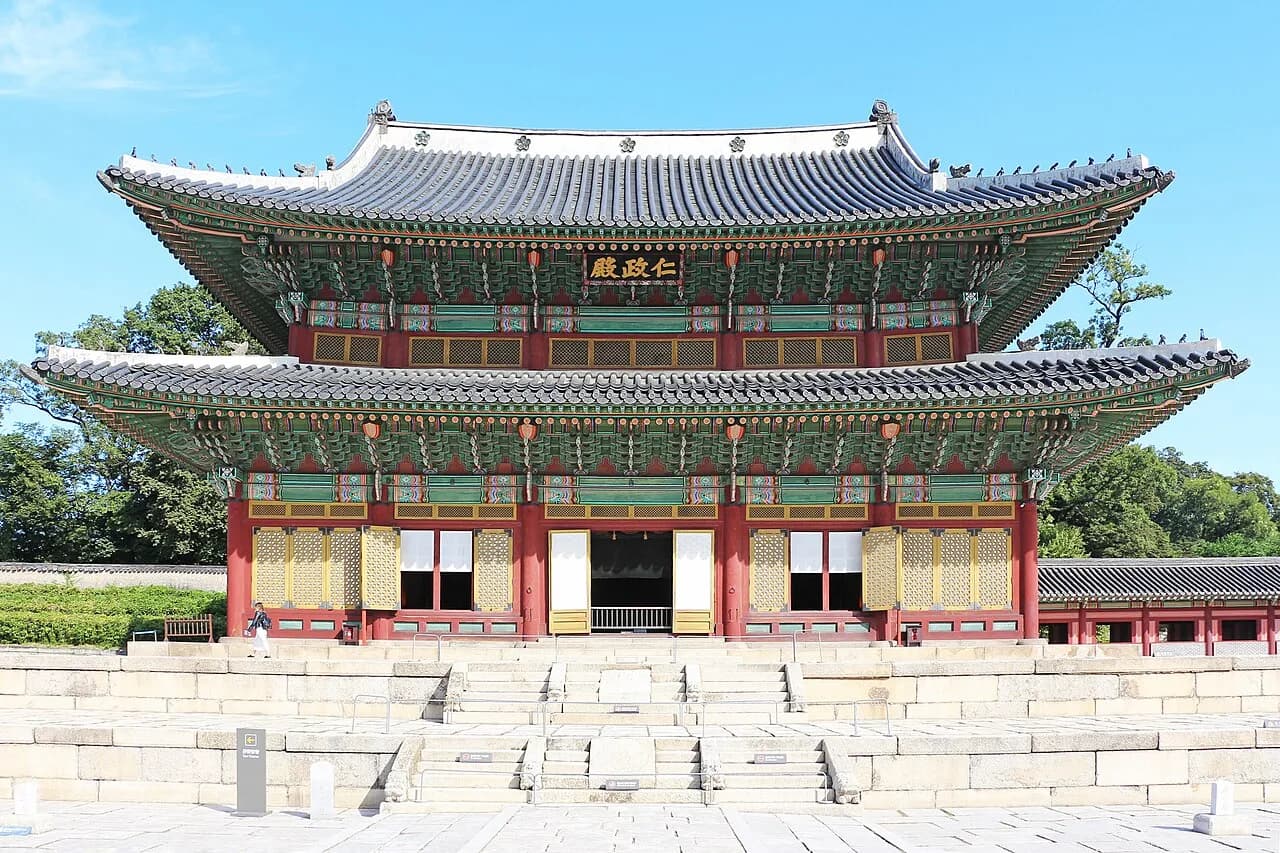
A UNESCO World Heritage Joseon palace with the famous Huwon Secret Garden — Seoul's most beautiful royal grounds.
Changdeokgung (창덕궁) is a 10-minute walk north from Insadong and is widely considered the most beautiful of Seoul's five royal palaces. Built in 1405 as a secondary palace, it became the primary royal residence for much of the Joseon Dynasty and is a UNESCO World Heritage site.
The palace architecture follows the natural landscape rather than imposing a rigid grid — a design philosophy that sets it apart from the more formal Gyeongbokgung. The main halls (Injeongjeon throne hall, Seonjeongjeon, Huijeongdang) blend elegance with restraint.
Huwon Secret Garden
The crown jewel is the Huwon (후원, "rear garden"), a 78-acre woodland garden with pavilions, lotus ponds, and centuries-old trees. Access is by guided tour only — tours run every 30 minutes and last about 90 minutes. Book ahead online, especially in autumn when demand peaks.
Admission: Palace ₩3,000, Secret Garden ₩5,000 extra. The garden is stunning in every season, but autumn foliage (late October–mid November) and spring blossoms (April) are peak. Changdeokgung draws far fewer crowds than Gyeongbokgung — if you only visit one palace, make it this one.
Cheonggyecheon Stream
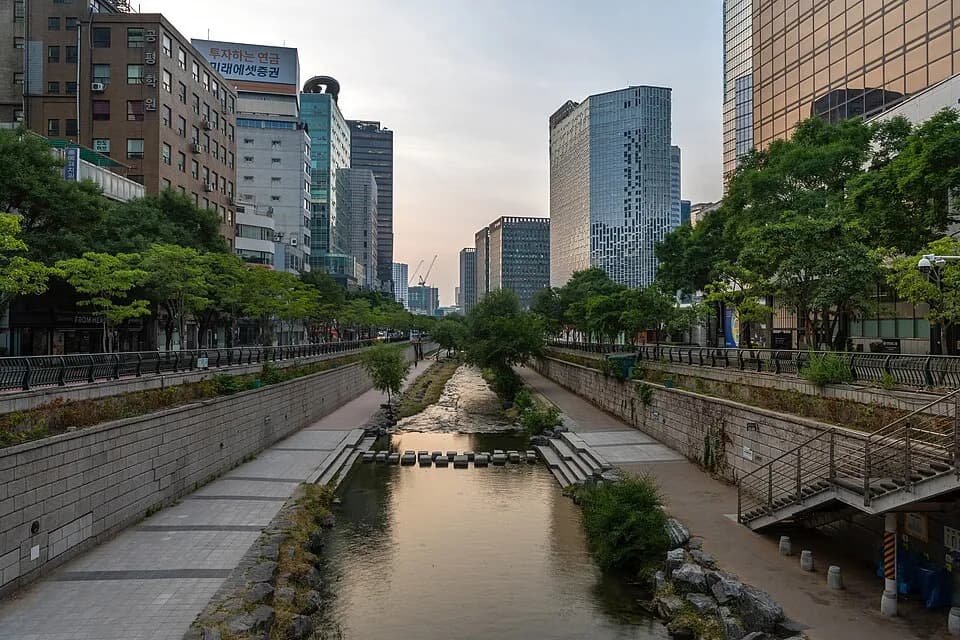
An 11-kilometer restored urban stream running through downtown Seoul — a beloved walking trail, public art corridor, and nighttime illumination spot.
The Cheonggyecheon (청계천) is one of Seoul's most remarkable urban transformations. Once buried under a concrete expressway, this 11-kilometer stream was restored and reopened in 2005, creating a sunken linear park that winds through the heart of downtown Seoul.
The stream begins near Gwanghwamun with the iconic Cheonggye Plaza waterfall and flows east toward Dongdaemun. The entire length is a pedestrian walking trail, sitting 5–7 meters below street level and lined with public art installations, fountains, and stepping stones across the water.
Night Illumination
After dark, sections of the stream are lit with LED installations that change seasonally. The Lantern Festival (held annually in November) floats thousands of illuminated lanterns on the water and draws enormous crowds. Even on ordinary evenings, the stream is a peaceful escape from the street noise above.
Cheonggyecheon Museum
Near the Majeon Bridge, the small Cheonggyecheon Museum (free admission) documents the stream's history — from Joseon-era waterway to sewage channel to covered expressway to the restored stream today. It's an underrated stop for anyone interested in urban planning.
The walk from Gwanghwamun to Dongdaemun along Cheonggyecheon takes about 2 hours at a leisurely pace. Start at Cheonggye Plaza (near Exit 5 of Gwanghwamun Station) and walk as far as you like — you can exit to street level at any of the 22 bridges that cross the stream.
Food & Tea Houses
Traditional Tea Houses
Insadong's tea houses are not cafes — they are quiet, meditative spaces serving traditional Korean teas in ceramic cups, often in hanok settings with floor seating.
- Yetchatjip (옛찻집) — One of Insadong's oldest tea houses, tucked in a side alley. Try the ssanghwa-cha (herbal tonic tea) or omija-cha (five-flavor berry tea). Cash preferred, around ₩8,000–12,000 per cup.
- Suyeon Sanbang (수연산방) — Originally the home of novelist Lee Tae-jun, this stunning 1930s hanok is now a tea house set in a hillside garden in nearby Seongbuk-dong. Worth the detour for the atmosphere alone.
Korean Temple Food
Several restaurants near Insadong specialize in temple food (사찰음식) — the vegetarian, no-garlic, no-onion cuisine developed in Korean Buddhist monasteries. Balwoo Gongyang, near Anguk Station, holds a Michelin star and offers set courses from ₩35,000.
Jongno Street Food & Gwangjang Market
The alleys around Jongno 3-ga are packed with old-school Korean eateries. For the full street food experience, walk 10 minutes east to Gwangjang Market — Seoul's oldest market (est. 1905), famous for its legendary food stalls: bindaetteok (crispy mung bean pancakes, ₩5,000), mayak gimbap (addictive mini seaweed rice rolls), and yukhoe (Korean-style beef tartare).
Where to Stay
Insadong and Jongno offer a central base within walking distance of Seoul's top historic sites and easy subway access to Myeongdong, Hongdae, and Gangnam. The neighborhood has a mix of traditional hanok guesthouses, boutique hotels, and modern chains.
Plan Your Stay
Add these spots to your trip, then find the best hotel area near all of them.
FAQ
More to explore nearby:
UNESCO World Heritage palace with the famous Huwon Secret Garden. A 10-minute walk north from Insadong — less crowded and more beautiful than Gyeongbokgung.
Find the best hotel area for this guide
4 spots are already loaded so you can refine the hotel base below.
Plan Your Stay
Add these spots to your trip, then find the best hotel area near all of them.
More Guides
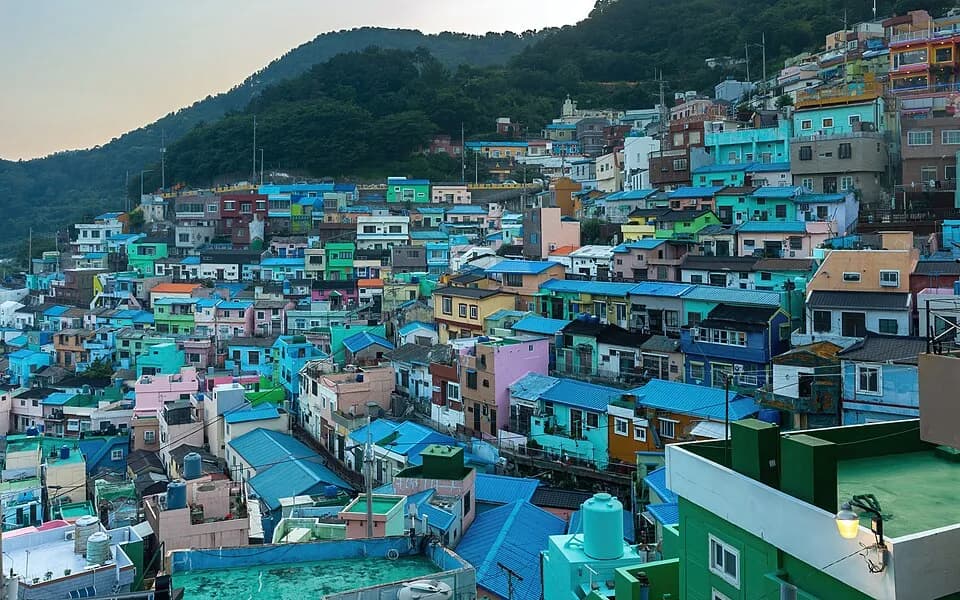
Gamcheon Culture Village, Nampo-dong & Jagalchi: Busan's Colorful Old Town
Busan's most photogenic hillside village, Korea's largest fish market, and the vibrant original downtown — art, seafood, and street food in one walk.
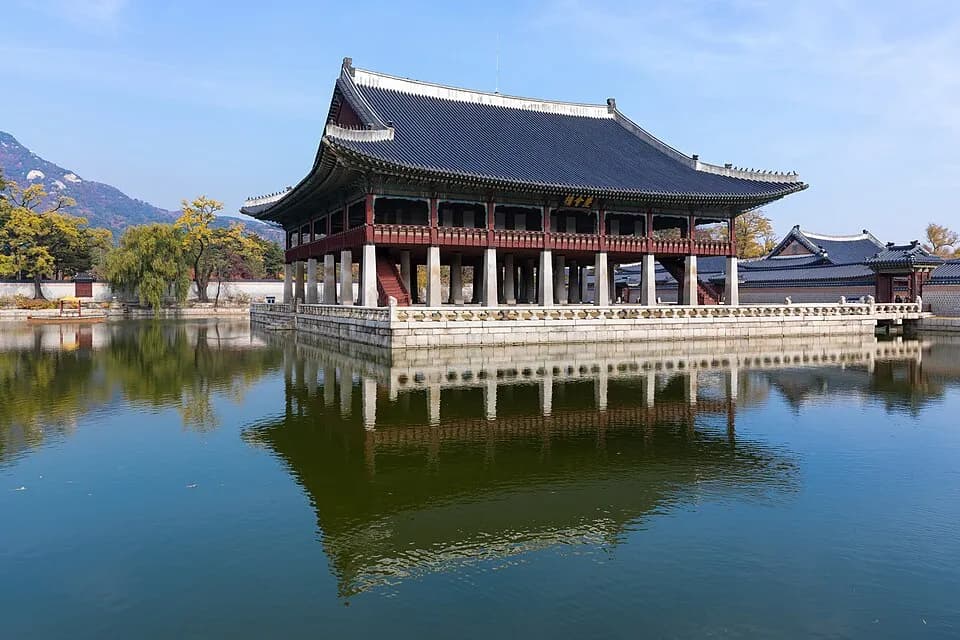
Gyeongbokgung Palace & Bukchon Hanok Village: The Complete Seoul Heritage Guide
A detailed guide to Seoul's most iconic royal palace and traditional hanok neighborhood — access, highlights, hanbok tips, nearby cafes, and where to stay.
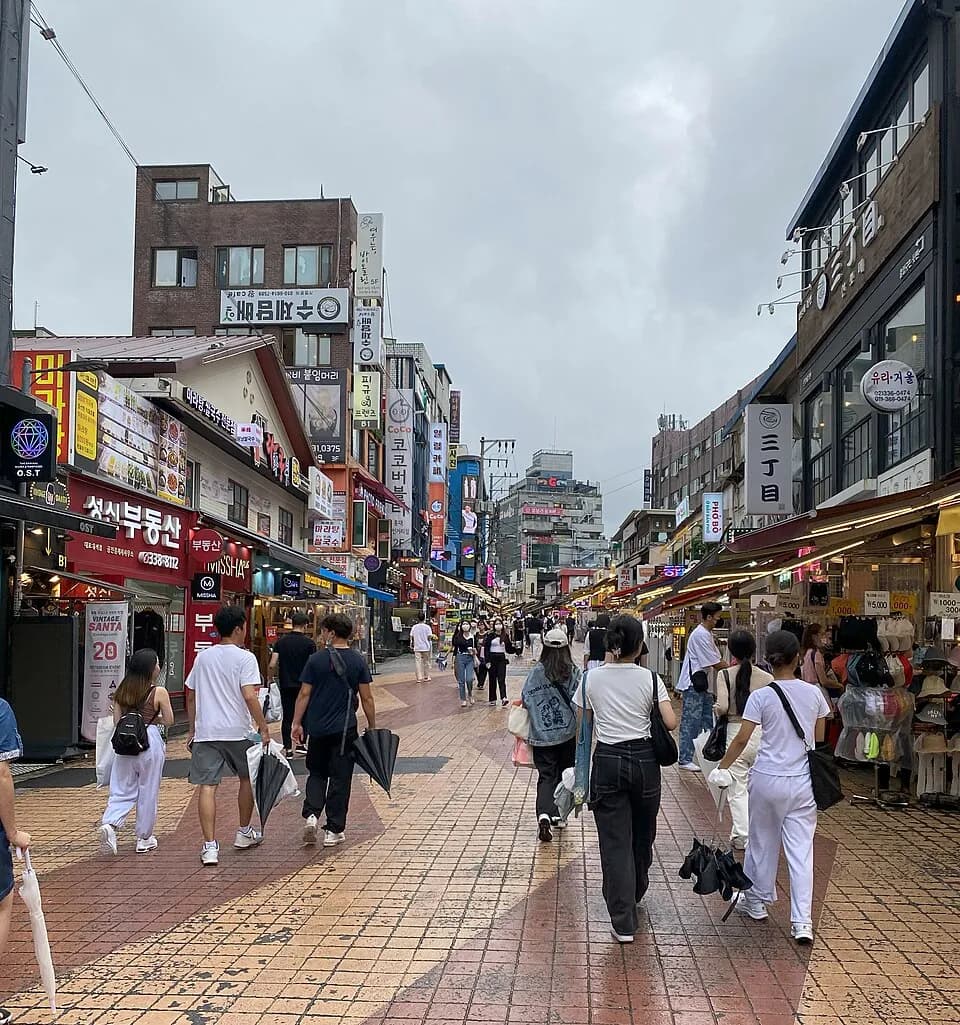
Hongdae & Yeonnam-dong: Indie Culture, Cafes & Nightlife
Seoul's vibrant youth hub — street performances, indie shops, craft cafes, and Korea's best nightlife scene.
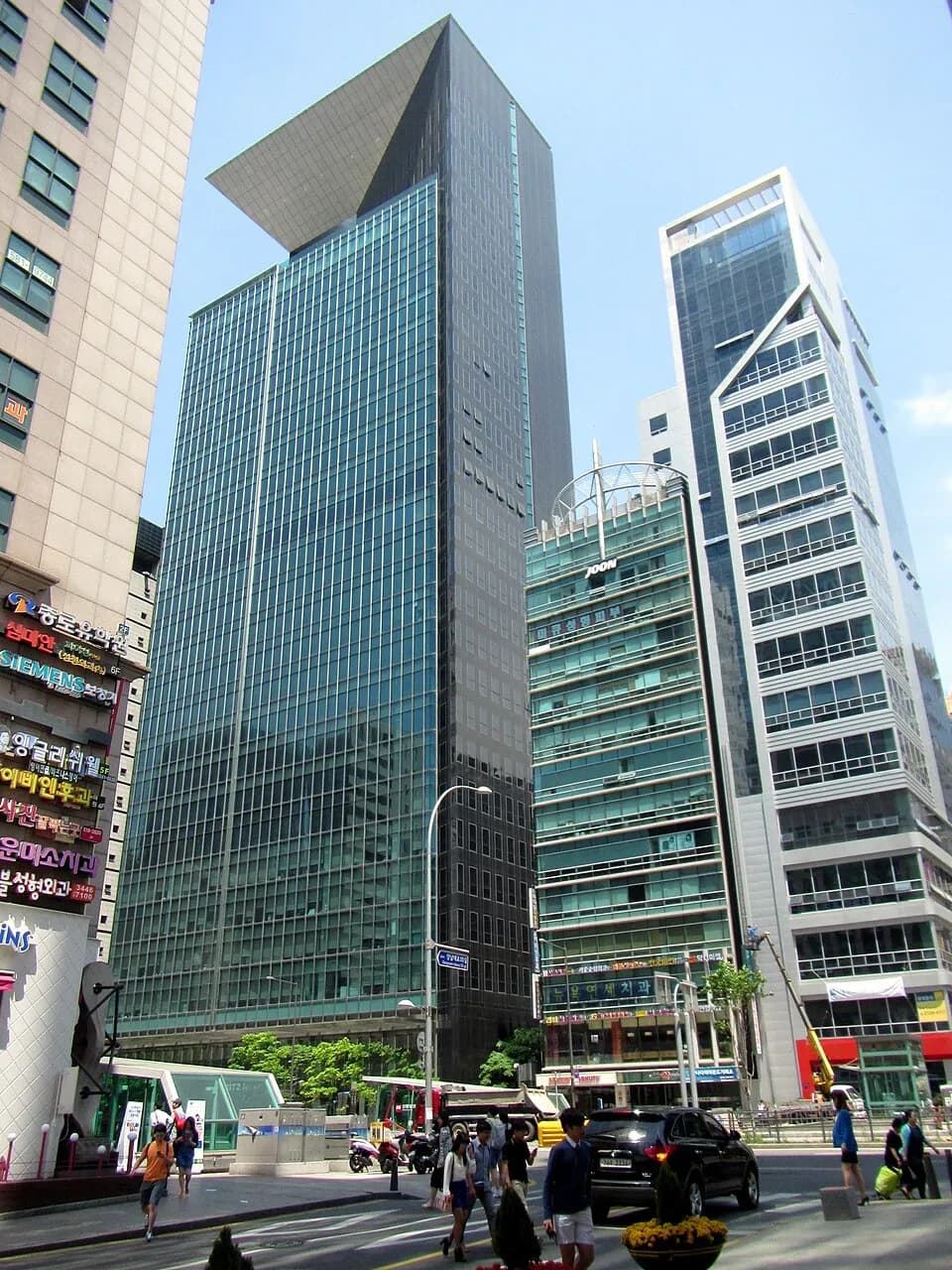
Gangnam & Garosu-gil: Upscale Shopping, Cafés & K-Pop Culture
Seoul's glitzy south side — luxury malls, tree-lined Garosu-gil, COEX, and the heart of K-pop.
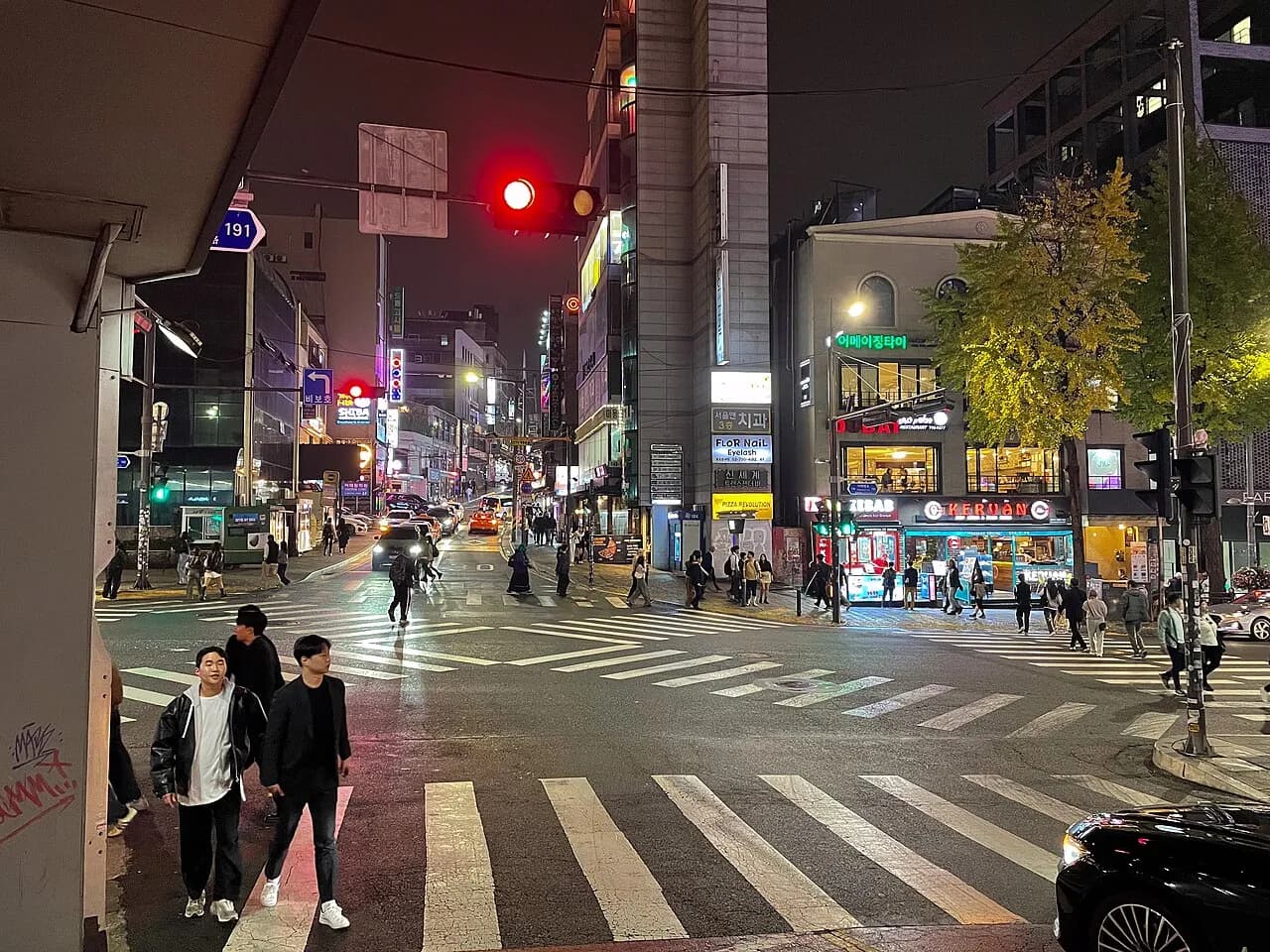
Itaewon & Hannam: Global Food, Rooftop Bars & Multicultural Seoul
Seoul's most international neighborhood — world cuisines, craft cocktails, Hannam's gallery scene, and Haebangchon's hilltop charm.
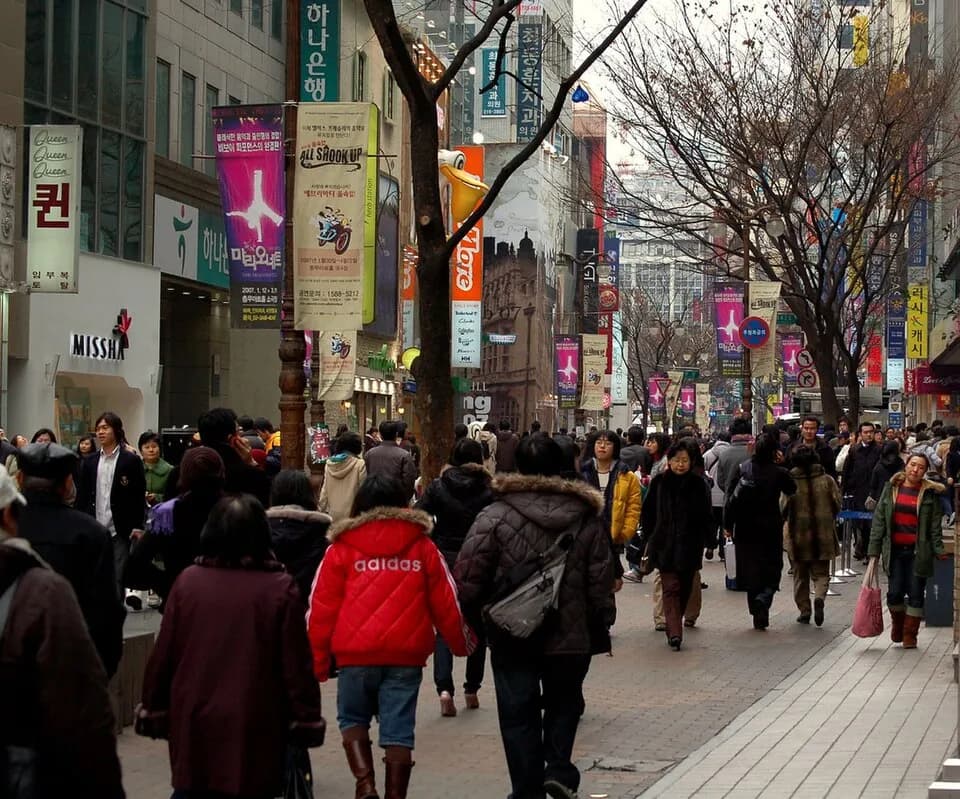
Myeongdong & Namdaemun: Seoul's Shopping & Street Food Paradise
K-beauty flagships, sizzling street food, and Korea's oldest market — your complete guide to Myeongdong and Namdaemun in central Seoul.
Seoul 1-Day, 2-Day & 3-Day Model Itinerary
Practical day-by-day plans for Seoul — palaces, markets, K-pop, nightlife, and hidden gems organized by duration.
Where to Stay in Seoul: Best Areas for Every Traveler (2026)
A data-driven guide to the best neighborhoods in Seoul for first-time visitors, nightlife lovers, culture seekers, and K-pop fans. Compare Myeongdong, Hongdae, Jongno, Gangnam, and more.
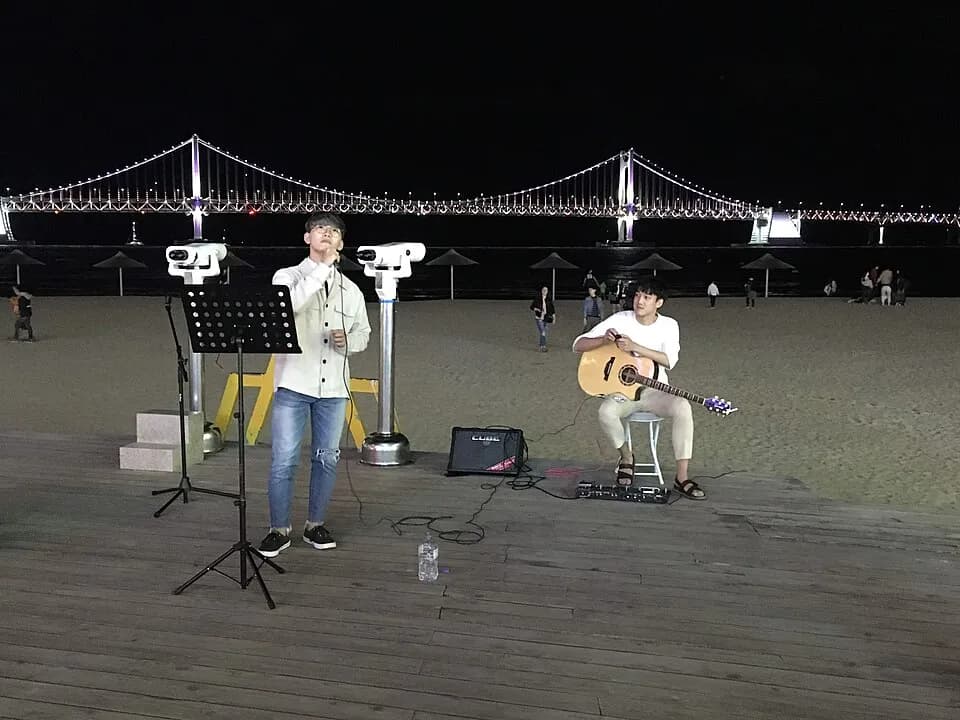
Busan 1-Day & 2-Day Model Itinerary
Day-by-day plans for Busan — beaches, temples, fish markets, colorful villages, and the best seafood in Korea.
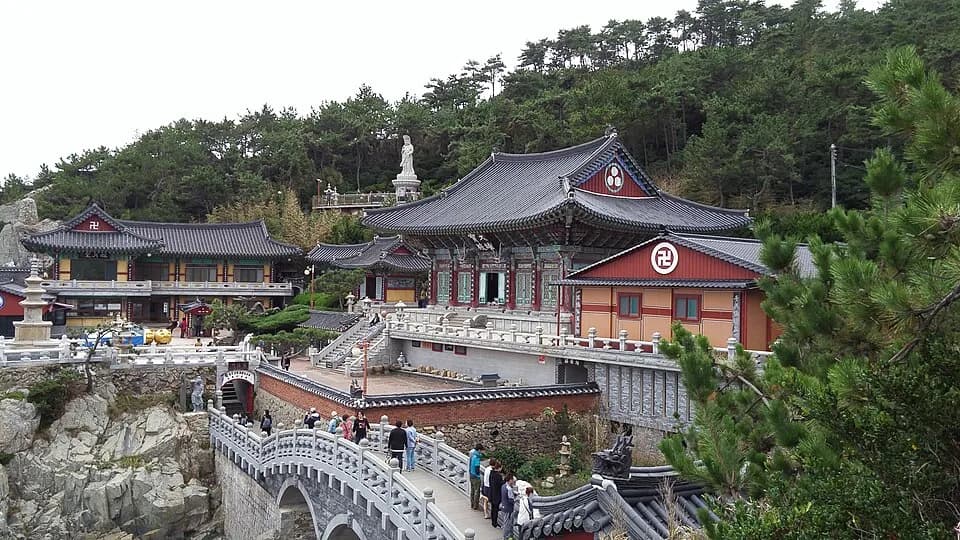
Haedong Yonggungsa & Taejongdae: Busan's Oceanside Temples & Cliffs
A seaside temple perched on ocean cliffs, Busan's dramatic southern peninsula, and peaceful Songjeong Beach — nature at its finest.
Haeundae & Gwangalli Beach: Sun, Seafood & Ocean Views
Korea's most famous beaches — Haeundae's white sand, Gwangalli's bridge night views, Dongbaek Island trail, and the freshest seafood in Busan.
Where to Stay in Busan: Best Areas for Every Traveler (2026)
A data-driven guide to the best neighborhoods in Busan for first-time visitors, beach lovers, foodies, and budget travelers. Compare Haeundae, Seomyeon, Nampo-dong, and Gwangalli.
Information such as prices, hours, and schedules may have changed. Please verify details on official websites before your visit.