Gamcheon Culture Village, Nampo-dong & Jagalchi: Busan's Colorful Old Town
2026-03-13
Guide to Action
Overview
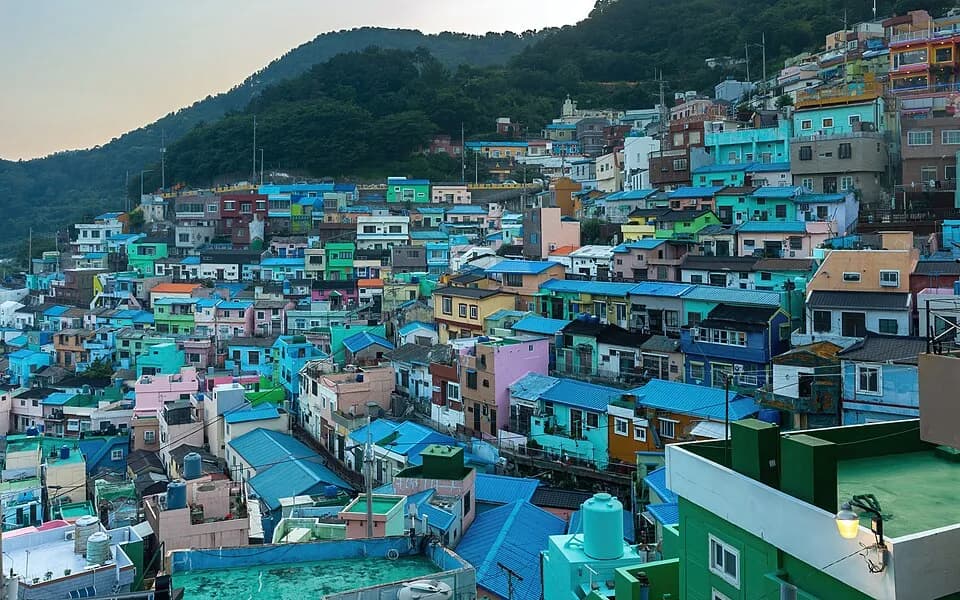
Busan's original downtown — the area stretching from Gamcheon to Nampo-dong and Jagalchi — is where the city's grit, color, and soul converge. Gamcheon Culture Village is a hillside labyrinth of pastel houses, murals, and sculptures, often called "Busan's Machu Picchu." Down at sea level, Jagalchi Market is Korea's largest and most famous seafood market, a sprawling, wonderfully chaotic place where you pick your fish alive and eat it minutes later. Between them sits Nampo-dong, Busan's original commercial center, home to BIFF Square, Gukje International Market, and some of the city's best street food.
These three areas are close enough to walk between and together make for a full, richly varied day of art, seafood, shopping, and old-town atmosphere. This is Busan at its most authentic — a port city shaped by Korean War refugees, fishermen, and street vendors, now layered with public art and creative energy.
Best for: Culture and art lovers, seafood enthusiasts, street food fans, photographers, anyone wanting to see the real, non-resort side of Busan.
Busan's 'Machu Picchu' — a hillside village transformed into an open-air art gallery with colorful houses, murals, and sculptures.
Getting There
The Nampo-dong and Jagalchi area is served directly by Busan Metro Line 1. Gamcheon Culture Village requires a short bus ride from the metro.
| From | Route | Time | Cost |
|---|---|---|---|
| Busan Station (KTX) | Metro Line 1 to Jagalchi Stn (Exit 7) | ~10 min | ₩1,600 with transit card |
| Haeundae Beach | Metro Line 2 → transfer Line 1 at Seomyeon → Jagalchi Stn | ~35 min | ₩1,600 with transit card |
| Gimhae Airport | Light Rail → Metro Line 1 at Sasang → Jagalchi Stn | ~50 min | ₩1,600 with transit card |
| Seomyeon | Metro Line 1 to Jagalchi Stn | ~15 min | ₩1,600 with transit card |
For Gamcheon Culture Village, take Metro Line 1 to Toseong Station (Exit 6), then catch local bus 1-1, 2, or 2-2 (about 10 minutes, ₩1,200). The bus drops you at the village entrance. Alternatively, it's a 20-minute uphill walk from Toseong Station — steep but scenic.
Gamcheon Culture Village
Gamcheon's story begins with hardship. During the Korean War (1950-1953), thousands of refugees fleeing the fighting poured into Busan and built makeshift homes on these steep hillsides above the port. The narrow alleys and tightly packed houses — stacked one on top of another so that one family's roof became another's yard — were born out of desperation, not design.
For decades, Gamcheon remained one of Busan's poorest neighborhoods. In 2009, the city launched the "Dreaming of Machu Picchu" art village project, inviting artists to transform the village with murals, sculptures, and installations while preserving the original architecture. The result is extraordinary: a living community that is simultaneously an open-air art gallery, with over 100 art installations woven into the fabric of everyday life.
The Stamp Trail
At the village information center near the entrance, pick up a stamp trail map (₩2,000). The map guides you through the village's winding alleys to key art installations and viewpoints, where you collect stamps at each stop. Complete the trail and you receive a postcard reward. The trail takes 2-3 hours and covers 10+ stations.
Must-See Spots
- Little Prince & the Fox — The village's most famous photo spot: a statue of the Little Prince sitting with a fox on a wall, overlooking the colorful rooftops and the sea beyond. Expect a queue for photos.
- Fish-Shaped Alley — A narrow alleyway decorated with fish mosaics and colorful fish sculptures, a nod to Busan's fishing heritage.
- Panoramic Viewpoints — Several spots along the upper paths offer sweeping views of the painted houses cascading down toward the harbor. The view from the rooftop of the community center is particularly stunning.
- Art workshops — Several studios offer hands-on experiences including pottery painting, leather crafts, and woodblock printing (₩5,000-15,000, no reservation needed).
- House of Darkness and Light — An installation inside a converted house exploring shadow and reflection.
Wear good shoes. Gamcheon is built on steep hillsides with lots of stairs and uneven surfaces. Heels and flip-flops are a bad idea. The village is also fully exposed — bring sun protection in summer, layers in winter.
Gamcheon is a living neighborhood — about 10,000 residents still call it home. Keep noise down in residential areas, don't peer into private homes, and stay on marked paths. Most cafes and shops in the village are run by local residents.
Jagalchi Fish Market
Jagalchi Market
Jagalchi Fish Market
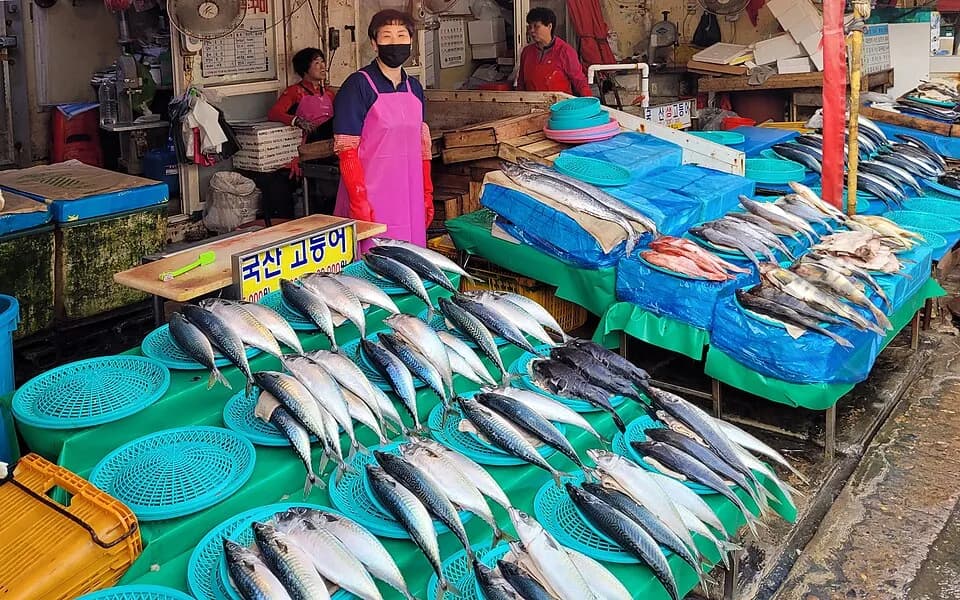
Korea's largest and most famous seafood market. Pick your fish alive from the ground-floor stalls, then have it prepared and served upstairs.
Jagalchi is Korea's largest seafood market, and it has been the beating heart of Busan's fishing industry for over a century. The main building — a massive modern structure right on the waterfront — is a sensory overload: tanks of live fish, octopus, crab, sea squirts, abalone, and creatures you may never have seen before, all presided over by the market's legendary ajummas (market women) who call out "Oiso, boiso, saiso!" ("Come, look, buy!").
How to Eat at Jagalchi
The system is simple and thrilling:
- Ground floor — Browse the stalls, choose your fish (or ask the ajumma to recommend), and negotiate a price.
- Upstairs restaurants — Take your purchase to a 2nd-floor restaurant, where they'll prepare it as sashimi (hoe) for a small preparation fee (₩3,000-5,000 per person).
- Eat — Your fish arrives sliced and fresh, served with soy sauce, wasabi, gochujang, and lettuce wraps. Side dishes (banchan) come with the meal.
Prices: A raw fish platter for 2 people typically costs ₩30,000-50,000 depending on the type of fish. Flounder (gwangeo) and sea bream (domi) are popular choices. Splurge options like live abalone or king crab cost more.
Outside the Main Building
Don't miss the dried fish market on the streets surrounding the main hall — rows of ajummas selling dried squid, anchovies, seaweed, and fish jerky. The outdoor stalls along the waterfront serve simpler, cheaper fare: fish soup (saengseon-tang), grilled shellfish, and raw octopus (sannakji).
Nampo-dong & BIFF Square
BIFF 광장
BIFF Square
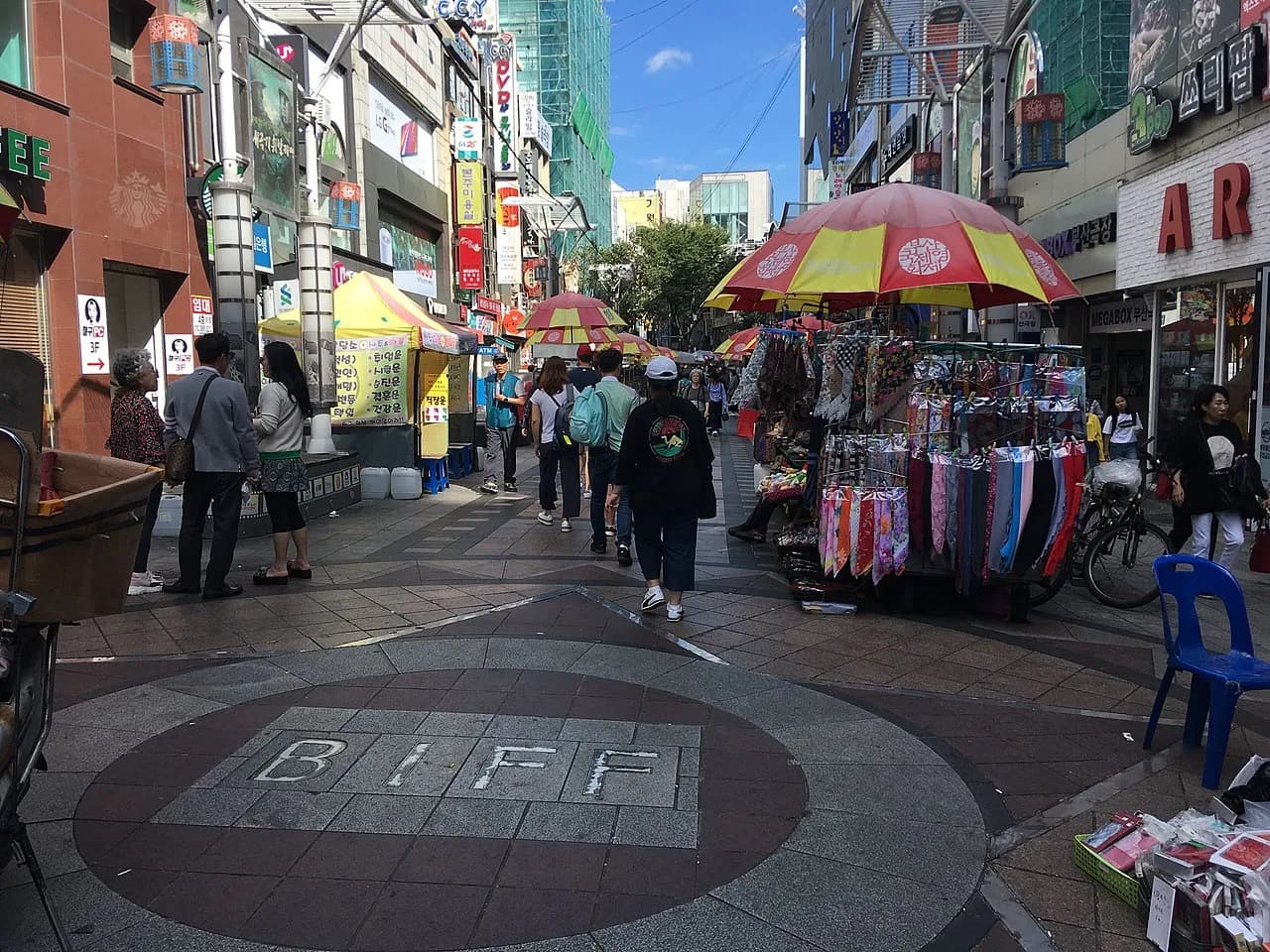
The original home of the Busan International Film Festival, now a lively square with handprints of Korean movie stars and famous street food stalls.
Nampo-dong is Busan's original downtown, and while the city's commercial center has shifted to Seomyeon and Centum City, this area retains an old-town energy that newer districts lack.
BIFF Square
BIFF Square (Busan International Film Festival Square) was the original venue for BIFF before the festival moved to Haeundae's Busan Cinema Center. The pedestrian plaza is embedded with bronze handprints and footprints of Korean movie stars — Korea's version of Hollywood's Walk of Fame. But most visitors come for the street food: the square is lined with stalls selling Busan's famous ssiat hotteok (seed-filled sweet pancakes) and other snacks.
Gukje Market
Gukje Market (국제시장, International Market) is one of Korea's largest traditional markets, originally established by Korean War refugees who sold whatever goods they could find. Today its covered alleys stretch for blocks, selling everything from clothes and bags to souvenirs, imported goods, and street food. The market was featured in the hit Korean film Ode to My Father (국제시장, 2014).
Gwangbok-ro
The main shopping street running from BIFF Square north toward Yongdusan Park, Gwangbok-ro is lined with fashion shops, cosmetics stores, and the massive Lotte Department Store. The street is especially lively on weekends when parts become pedestrian-only.
Yongdusan Park
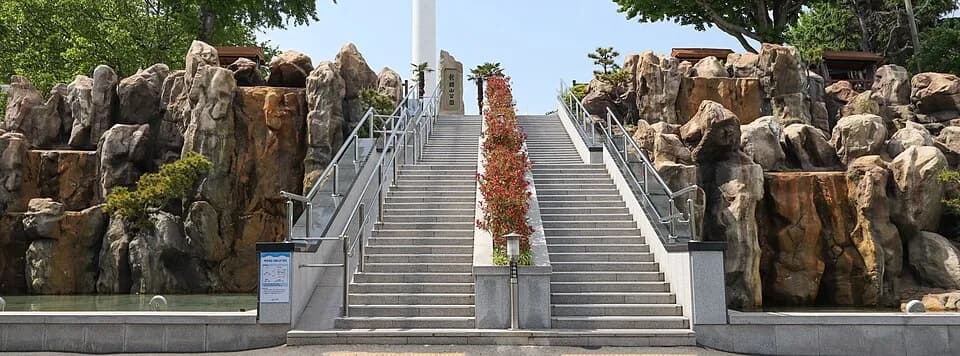
A hilltop park in central Nampo-dong, home to Busan Tower with 360-degree views, a famous flower clock, and easy escalator access from the shopping district.
Yongdusan Park sits on a hilltop right in the middle of Nampo-dong, easily reached by outdoor escalators from Gwangbok-ro (free, look for the entrance near Lotte Department Store). The park itself is a pleasant green space with old trees, a famous flower clock, and the statue of Admiral Yi Sun-sin.
Busan Tower
The main attraction is Busan Tower (부산타워), a 120-meter observation tower offering 360-degree panoramic views of the city, harbor, and mountains. On clear days you can see all the way to the island of Tsushima (Japan). The views are especially beautiful at night when the port lights up.
- Hours: 10:00-22:00 (last entry 21:30)
- Admission: ₩12,000 (adults), ₩9,000 (children)
- Night views: The tower stays open late, making it a perfect end to a Nampo-dong evening.
Food & Street Food
Jagalchi Sashimi
The freshest raw fish in Korea. See the Jagalchi Market section above for the full experience. Budget ₩30,000-50,000 for two people for a satisfying sashimi spread.
BIFF Square Ssiat Hotteok
Busan's most beloved street snack. Unlike regular hotteok (sweet filled pancakes), Busan-style ssiat hotteok is stuffed with a mix of sunflower seeds, pumpkin seeds, and nuts, creating a crunchy, sweet, nutty filling. The dough is pressed flat on a griddle until crispy on both sides. ₩2,000-3,000 each. The most famous stalls are in BIFF Square, with queues that move fast.
Ssiat hotteok is served blazing hot — the seed-sugar filling can burn your mouth. Let it cool for a minute. Locals eat it in the paper cup it comes in, tearing off pieces. Best in winter as a hand-warmer and snack.
Gukje Market Kalguksu & Bindaetteok
Inside Gukje Market, look for the small restaurants serving kalguksu (knife-cut noodle soup) — handmade noodles in a rich anchovy or clam broth. ₩7,000-8,000. Pair it with bindaetteok (mung bean pancakes), crispy outside and soft inside. ₩4,000-5,000 each.
More Street Food Highlights
- Eomuk (fish cake) — Busan is the fish cake capital of Korea. Skewered fish cake in warm broth is sold at stalls everywhere. ₩1,000-2,000.
- Tteokbokki — Spicy rice cakes, a Korean street food essential. Busan-style tends to use a slightly fishier broth. ₩3,000-4,000.
- Halmae Gimbap — "Grandma's gimbap" stalls serve simple, classic Korean rice rolls. ₩2,500-3,000 per roll.
Where to Stay
The Nampo-dong area is an excellent base for exploring Busan's original downtown, with budget-friendly hotels and guesthouses, good metro access, and the city's best street food right outside your door.
Plan Your Stay
Add these spots to your trip, then find the best hotel area near all of them.
FAQ
More to explore in Busan:
Busan's original downtown district — BIFF Square, Gukje Market, Gwangbok-ro shopping, and some of the city's best street food all within walking distance.
A hilltop park with Busan Tower offering 360-degree views over the city and harbor. Take the escalator up from Gwangbok-ro for easy access.
Find the best hotel area for this guide
5 spots are already loaded so you can refine the hotel base below.
Plan Your Stay
Add these spots to your trip, then find the best hotel area near all of them.
More Guides
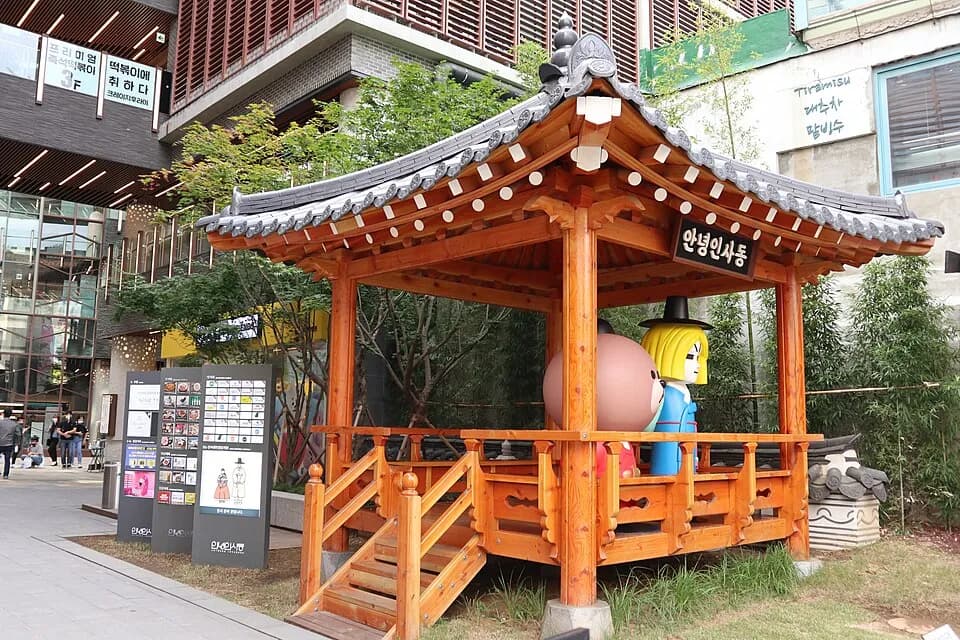
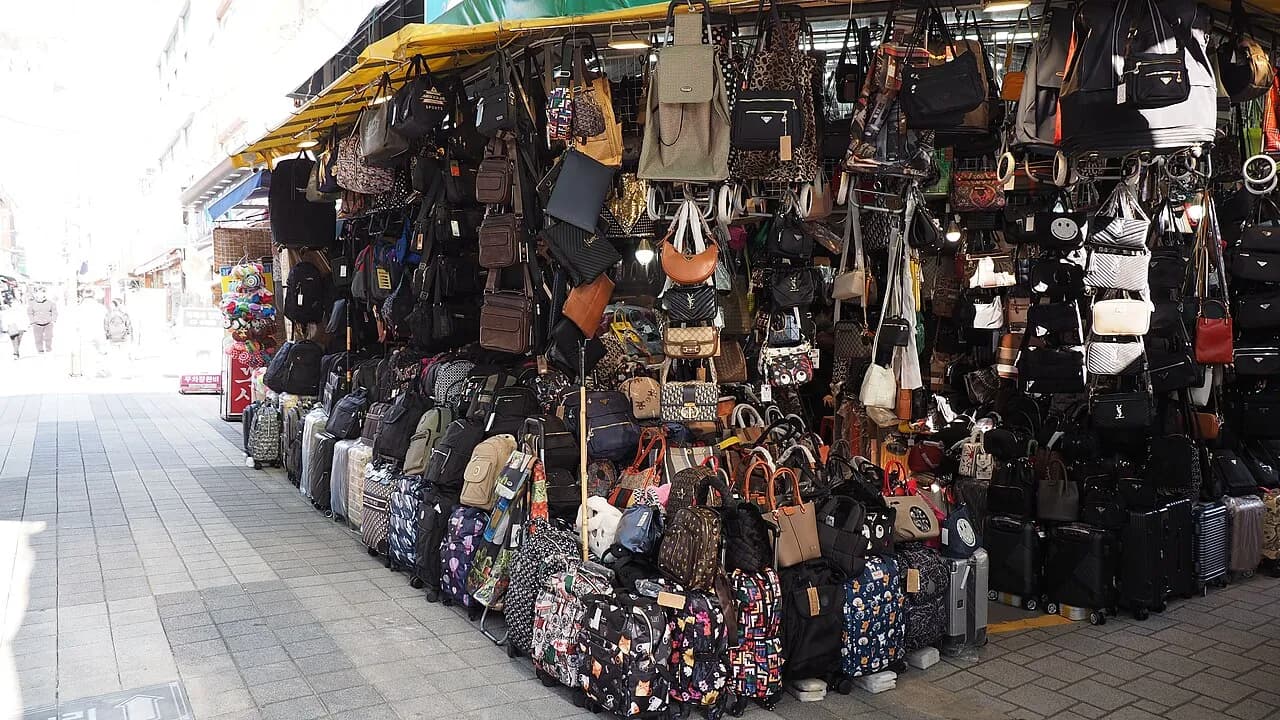
Insadong & Jongno: Traditional Tea Houses, Galleries & Cheonggyecheon
Seoul's cultural heartland — antique shops, traditional tea, Changdeokgung's Secret Garden, and the revitalized Cheonggyecheon Stream.
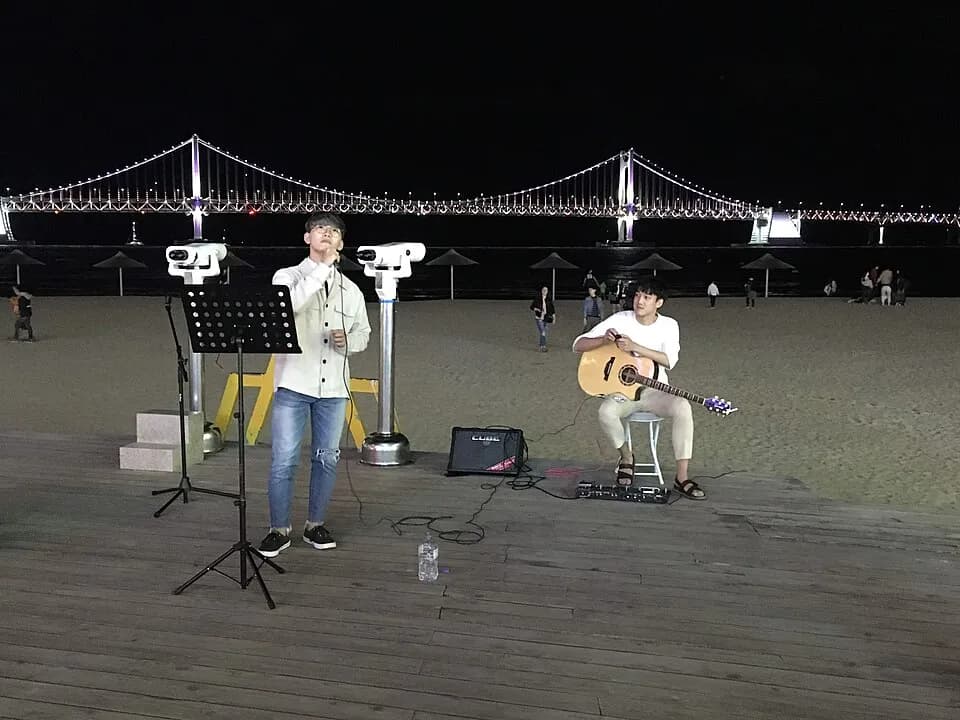
Busan 1-Day & 2-Day Model Itinerary
Day-by-day plans for Busan — beaches, temples, fish markets, colorful villages, and the best seafood in Korea.
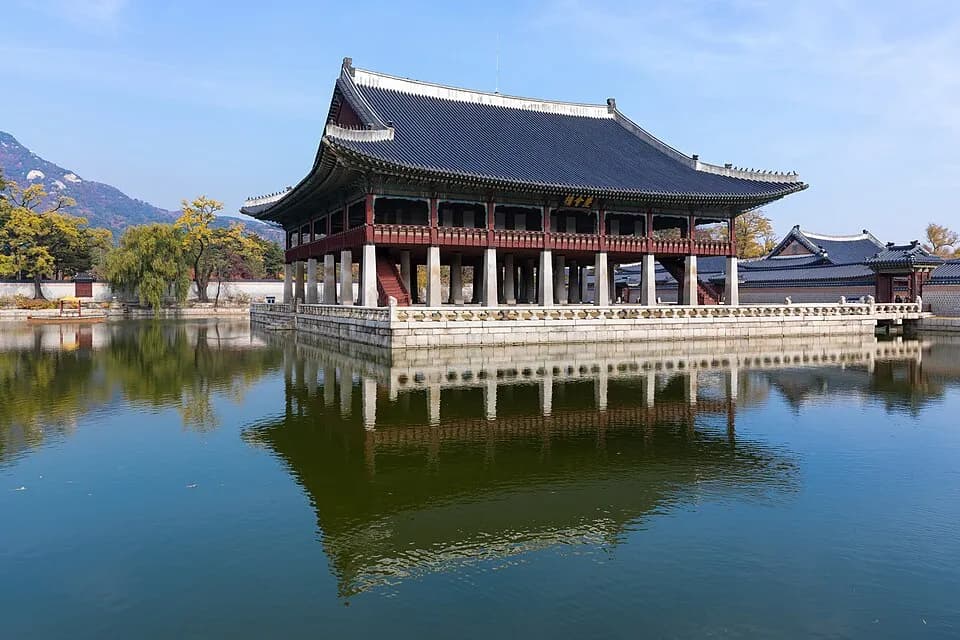
Gyeongbokgung Palace & Bukchon Hanok Village: The Complete Seoul Heritage Guide
A detailed guide to Seoul's most iconic royal palace and traditional hanok neighborhood — access, highlights, hanbok tips, nearby cafes, and where to stay.
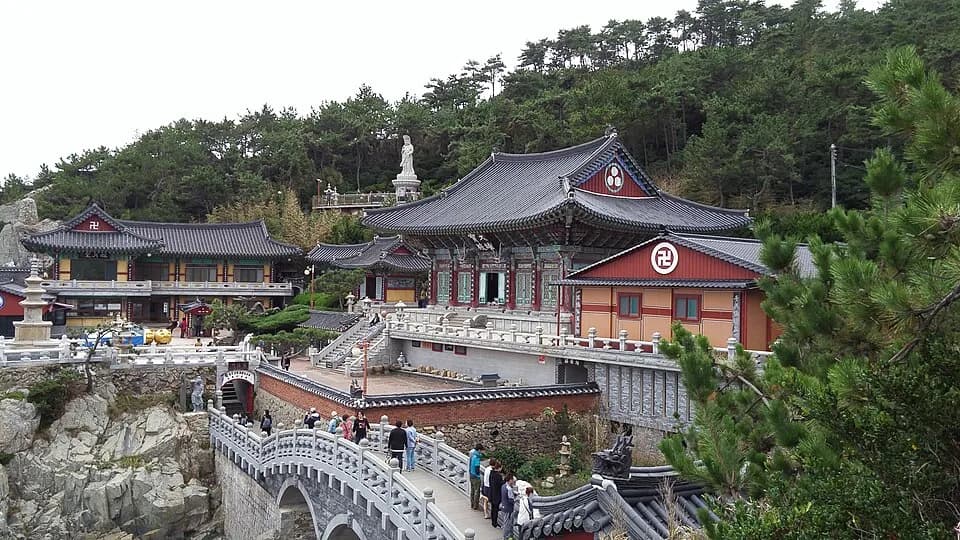
Haedong Yonggungsa & Taejongdae: Busan's Oceanside Temples & Cliffs
A seaside temple perched on ocean cliffs, Busan's dramatic southern peninsula, and peaceful Songjeong Beach — nature at its finest.
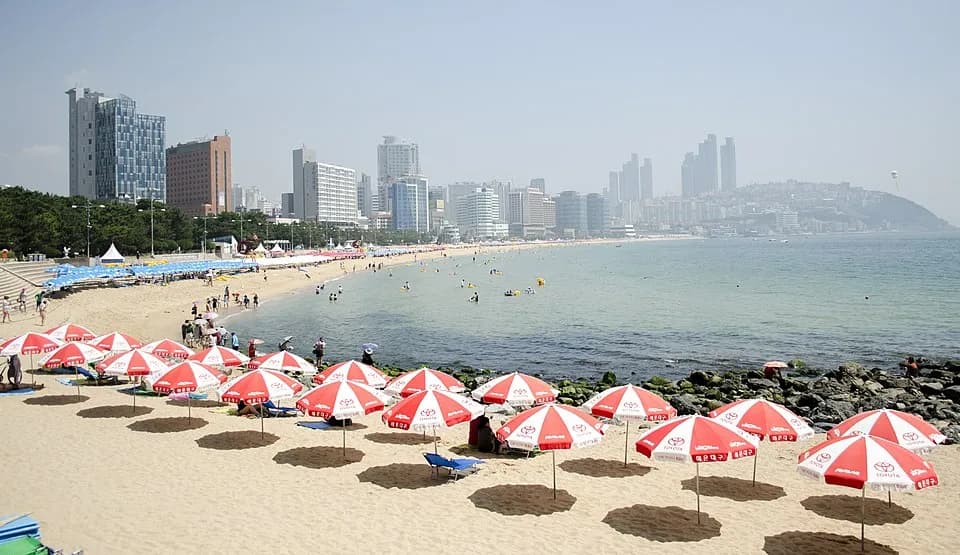
Haeundae & Gwangalli Beach: Sun, Seafood & Ocean Views
Korea's most famous beaches — Haeundae's white sand, Gwangalli's bridge night views, Dongbaek Island trail, and the freshest seafood in Busan.
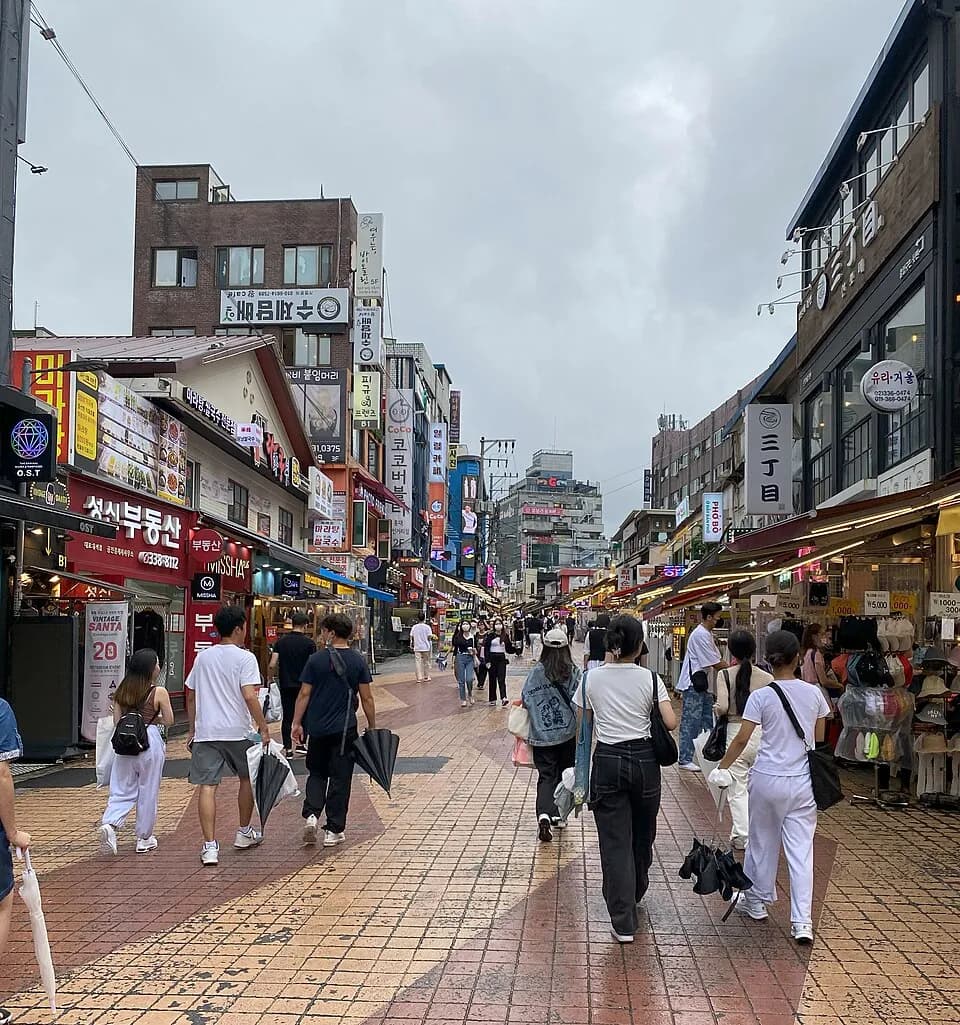
Hongdae & Yeonnam-dong: Indie Culture, Cafes & Nightlife
Seoul's vibrant youth hub — street performances, indie shops, craft cafes, and Korea's best nightlife scene.
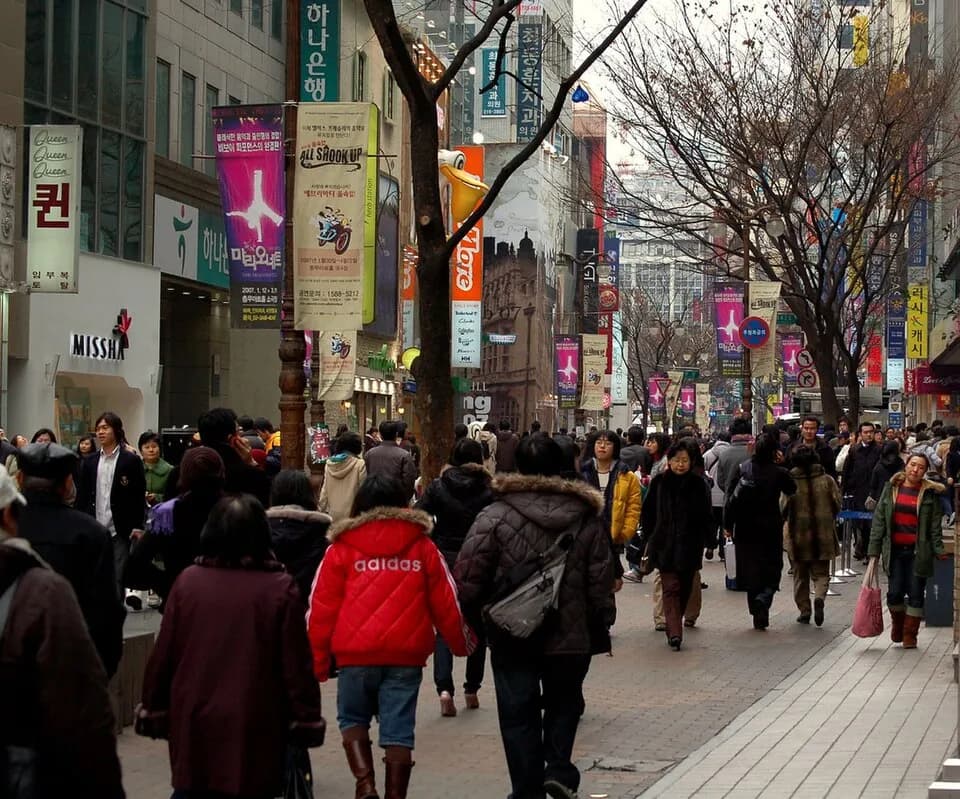
Myeongdong & Namdaemun: Seoul's Shopping & Street Food Paradise
K-beauty flagships, sizzling street food, and Korea's oldest market — your complete guide to Myeongdong and Namdaemun in central Seoul.
Where to Stay in Busan: Best Areas for Every Traveler (2026)
A data-driven guide to the best neighborhoods in Busan for first-time visitors, beach lovers, foodies, and budget travelers. Compare Haeundae, Seomyeon, Nampo-dong, and Gwangalli.
Gangnam & Garosu-gil: Upscale Shopping, Cafés & K-Pop Culture
Seoul's glitzy south side — luxury malls, tree-lined Garosu-gil, COEX, and the heart of K-pop.
Itaewon & Hannam: Global Food, Rooftop Bars & Multicultural Seoul
Seoul's most international neighborhood — world cuisines, craft cocktails, Hannam's gallery scene, and Haebangchon's hilltop charm.
Seoul 1-Day, 2-Day & 3-Day Model Itinerary
Practical day-by-day plans for Seoul — palaces, markets, K-pop, nightlife, and hidden gems organized by duration.
Where to Stay in Seoul: Best Areas for Every Traveler (2026)
A data-driven guide to the best neighborhoods in Seoul for first-time visitors, nightlife lovers, culture seekers, and K-pop fans. Compare Myeongdong, Hongdae, Jongno, Gangnam, and more.
Information such as prices, hours, and schedules may have changed. Please verify details on official websites before your visit.