Seoul 1-Day, 2-Day & 3-Day Model Itinerary
2026-03-13
Guide to Action
Overview
Seoul is a city where 600-year-old palaces sit beneath glass skyscrapers, where a Buddhist temple bell can ring within earshot of a K-pop dance studio, and where a 24-hour convenience store meal can be just as memorable as a Michelin-starred dinner. With 25 districts spread across both banks of the Han River, knowing where to start is half the battle.
Who is this for? First-time visitors to Seoul who want a well-rounded mix of history, food, shopping, and nightlife. It also works for returning visitors looking for a structured plan that covers both classics and newer neighborhoods like Seongsu-dong.
Best seasons: Spring (late March to mid-April) brings cherry blossoms along Yeouido and the palace walls. Autumn (mid-October to mid-November) turns the mountains ringing the city into a tapestry of red and gold. Summer is hot and humid with monsoon rains in July, but indoor attractions and bingsu (shaved ice) make it manageable. Winter is cold and dry with occasional snow that turns palace rooftops into postcard scenes.
Getting oriented: Pick up a T-money card at any convenience store or subway station (deposit plus a top-up). It works on all subways, buses, and even taxis. Seoul's subway system is clean, extensive, and signposted in English and Korean — it will be your primary way of moving between neighborhoods.
How to use this guide: Each day is self-contained. One day in Seoul? Do Day 1. Two days? Add Day 2. Three? Do all three. You can also swap the order freely.
1-Day Itinerary
One day is tight, but this route covers Seoul's historical core, its best shopping street, and its most iconic viewpoint — all connected by short subway rides.
Morning: Gyeongbokgung Palace & Bukchon (9:00 - 12:00)
Start at Gyeongbokgung Palace, the grandest of Seoul's five royal palaces. Built in 1395 as the main seat of the Joseon Dynasty, the complex stretches across 40 hectares of courtyards, throne halls, and pavilions backed by the peaks of Bugaksan mountain.
Arrive by 9:00 to catch the Royal Guard Changing Ceremony at the Gwanghwamun Gate — a colorful 20-minute reenactment held at 10:00 and 14:00 (not Tuesday). Wearing hanbok (traditional Korean dress) gets you free admission; rental shops line the streets east of the palace (around 15,000-20,000 won for 2 hours).
After the palace, walk 10 minutes northeast to Bukchon Hanok Village, a hillside neighborhood of preserved traditional Korean houses (hanok). The narrow alleys between Gyeongbokgung and Changdeokgung palaces offer some of Seoul's most photographed views, but remember that Bukchon is a residential area and parts of the special management zone currently limit tourist visits to 10:00 AM-5:00 PM.
- Palace hours: 9:00-18:00 (Mar-Oct), 9:00-17:00 (Nov-Feb); closed Tuesday
- Admission: 3,000 won (free in hanbok)
- Time needed: 90-120 minutes for the palace, 30-45 minutes for Bukchon
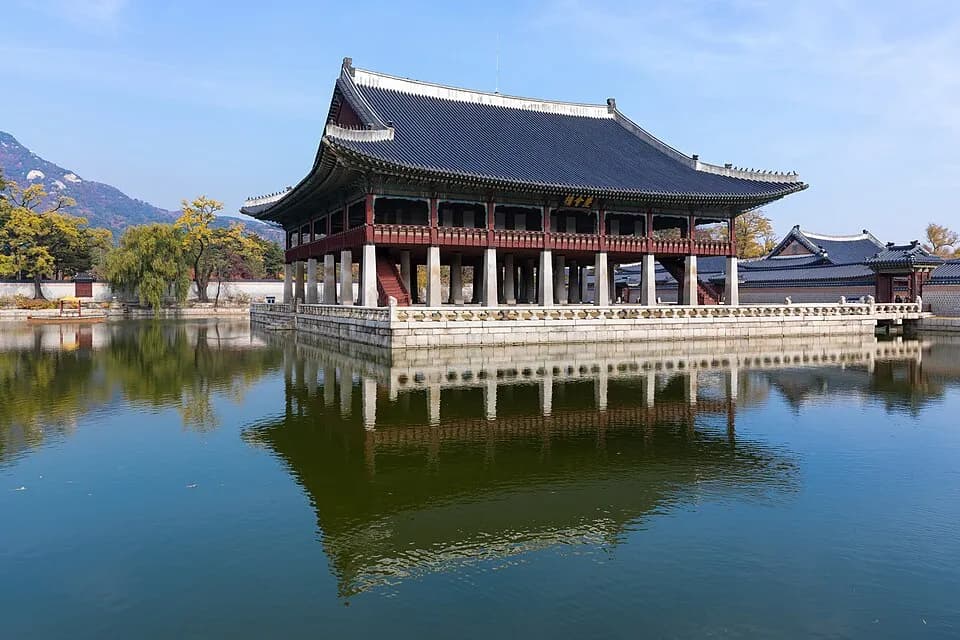
The largest and most iconic of Seoul's five grand palaces, built in 1395. The Royal Guard Changing Ceremony at Gwanghwamun Gate draws crowds daily.
Rent hanbok before visiting the palace — you skip the admission fee and get stunning photos against the traditional architecture. Most rental shops include hair accessories and props. Book online in advance during cherry blossom and autumn foliage seasons to guarantee availability.
Lunch: Insadong & Samcheong-dong (12:00 - 13:30)
Walk south from Bukchon into Insadong, Seoul's traditional culture street. The main alley is lined with tea houses, calligraphy shops, and galleries. For lunch, try Ssamziegil — a spiraling multi-floor courtyard of artisan shops and small restaurants. Korean set meals (hansik jeongsik) run 10,000-15,000 won and typically include rice, soup, and 6-8 side dishes (banchan).
Alternatively, head to Samcheong-dong for a trendier scene — independent cafes, design shops, and galleries tucked into renovated hanok buildings. Grab a hotteok (sweet filled pancake, 2,000 won) from a street vendor on the way.
Afternoon: Myeongdong Shopping (14:00 - 16:30)
Take subway Line 3 from Anguk to Myeongdong (2 stops). Seoul's busiest shopping district is a grid of pedestrian streets packed with Korean skincare and cosmetics brands — Innisfree, Etude House, Olive Young, Laneige — along with fashion boutiques, street food stalls, and department stores.
Even if shopping is not your priority, Myeongdong's street food is worth the visit. Vendors set up from midday onward, offering egg bread (gyeranbbang, 2,000 won), tornado potatoes on sticks, tteokbokki (spicy rice cakes, 4,000 won), and giant strawberry mochi.
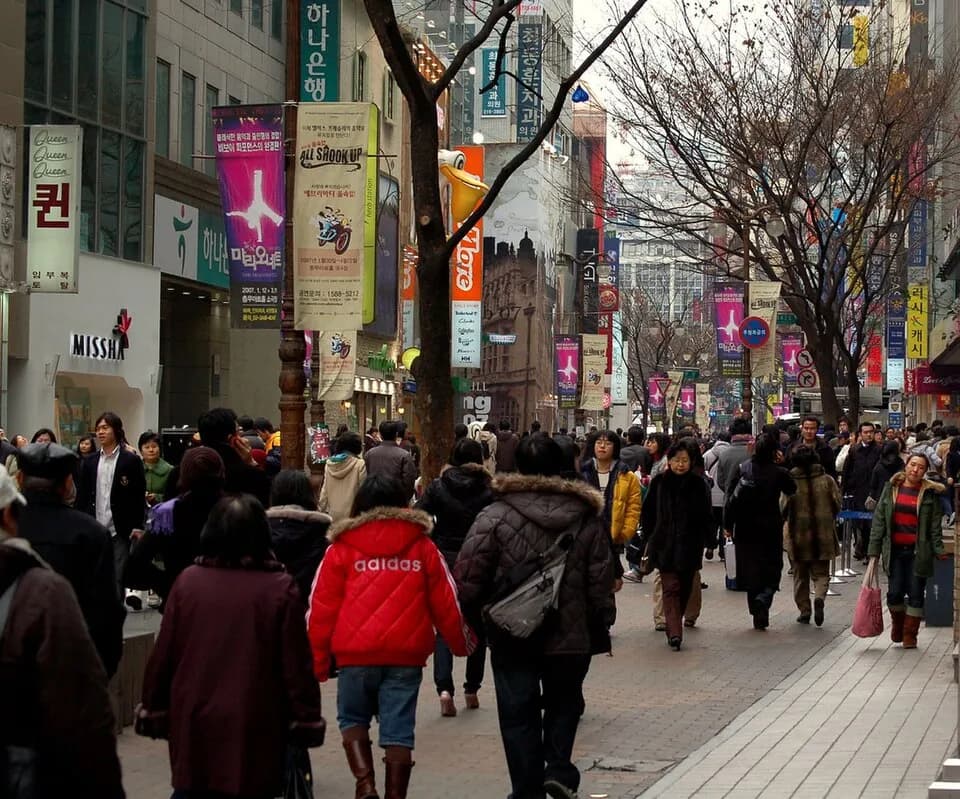
Myeongdong
Myeongdong Shopping District
Seoul's premier shopping district. Blocks of Korean skincare brands, fashion boutiques, and sizzling street food stalls draw millions of visitors annually.
Look for "Tax Free" signs in Myeongdong shops. Foreign visitors spending over 15,000 won at a single store can claim a VAT refund (around 10%) at the airport. Major cosmetics chains handle the paperwork at checkout — just show your passport.
Evening: N Seoul Tower Sunset (17:00 - 19:00)
Head to N Seoul Tower (Namsan Tower) for the day's highlight — sunset over the Seoul skyline. Take the Namsan Cable Car from the base (currently ₩15,000 round trip for adults) or walk the forested trail from Myeongdong (about 30 minutes uphill, a pleasant walk in spring and autumn).
The observation deck (admission 21,000 won) offers 360-degree views. On clear evenings, the city stretches to the horizon in every direction — the Han River curving through the center, mountains framing the edges. Sunset is the best time, when the city transitions from golden hour to a sea of lights.
The "Locks of Love" fence on the outdoor terrace is covered in thousands of padlocks left by couples. It has become one of Seoul's most romantic landmarks.
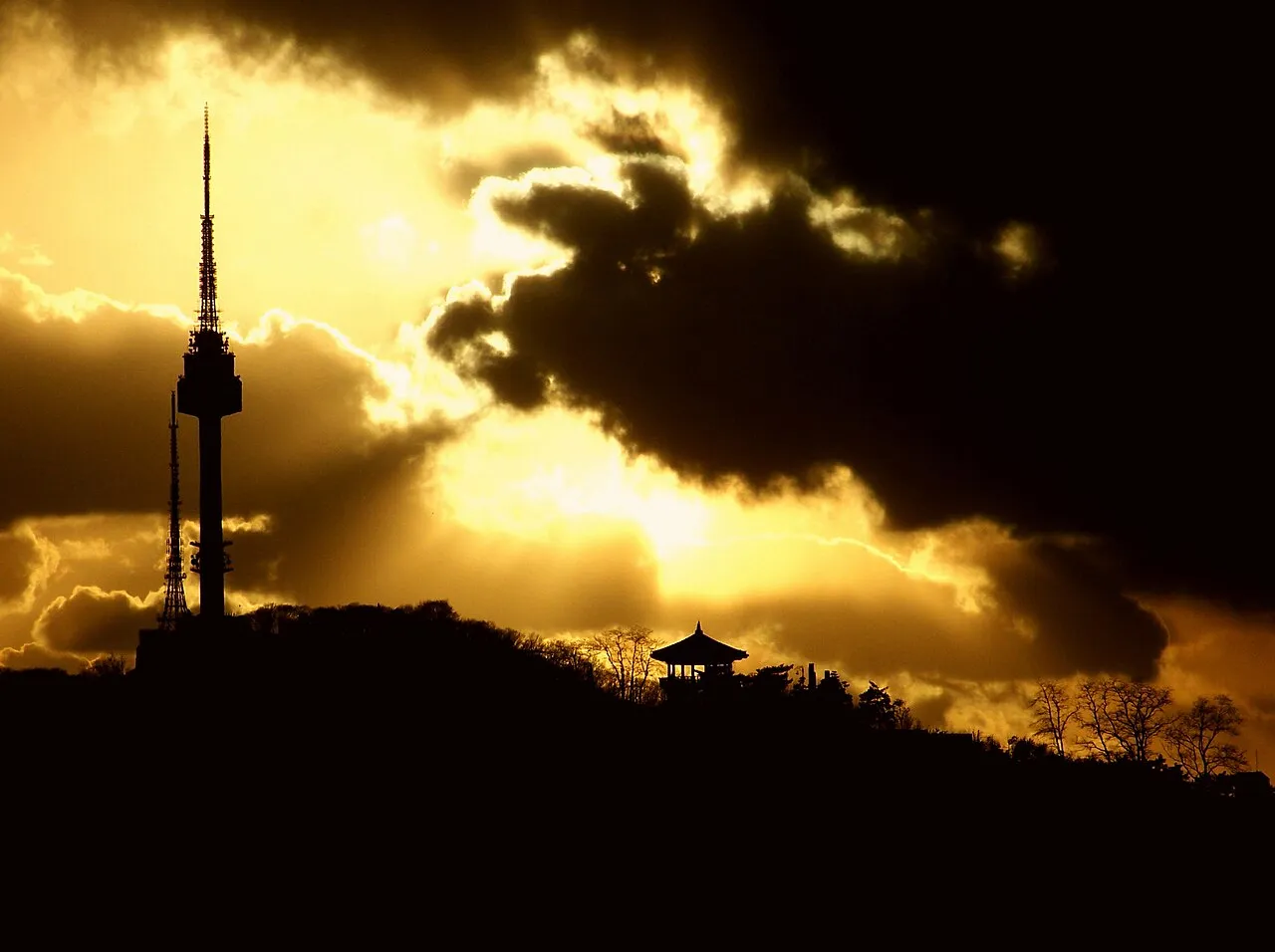
Perched atop Namsan mountain at 480 meters above sea level, N Seoul Tower is the city's most recognizable landmark and the best panoramic viewpoint in Seoul.
Night: Myeongdong Street Food & Namdaemun (19:30 - 21:00)
Head back down to Myeongdong for dinner. The street food scene peaks in the evening — grilled lobster tails, cheese-filled corn dogs, and hotteok stalls light up the pedestrian streets. For a sit-down dinner, try dakgalbi (spicy stir-fried chicken, 12,000 won per person) at one of the restaurants on the upper streets.
If you still have energy, walk 10 minutes south to Namdaemun Market, Korea's oldest and largest traditional market. Night stalls sell everything from ginseng to custom-tailored suits, and the food alley serves kalguksu (knife-cut noodle soup, 7,000 won) that locals queue for.
2-Day Itinerary
Day 1 follows the plan above. Day 2 takes you across the river to Seoul's creative and upscale neighborhoods, with a detour into the city's legendary nightlife.
Morning: Hongdae Free Market & Cafes (9:30 - 12:00)
Start Day 2 in Hongdae (Hongik University area), Seoul's youth culture and indie music epicenter. On Saturdays, the Hongdae Free Market (Hongik Children's Park, 13:00-18:00) showcases handmade goods by local artists — but even on weekdays, the neighborhood rewards early exploration.
Walk along Eoulmadang-ro, the main strip, and duck into the side streets for independent cafes, vinyl record shops, and murals. Seoul's cafe culture is world-class, and Hongdae is ground zero — multi-story cafes with rooftop terraces, themed cafes (raccoon cafe, comic book cafe), and third-wave pour-over spots compete for attention on every block.
Breakfast/brunch: Grab a fresh croissant at a neighborhood bakery or try a Korean-style brunch — egg toast (gilgeori toast) from a street cart costs 3,000 won and comes with ham, cabbage, and a sweet ketchup-mayo sauce.
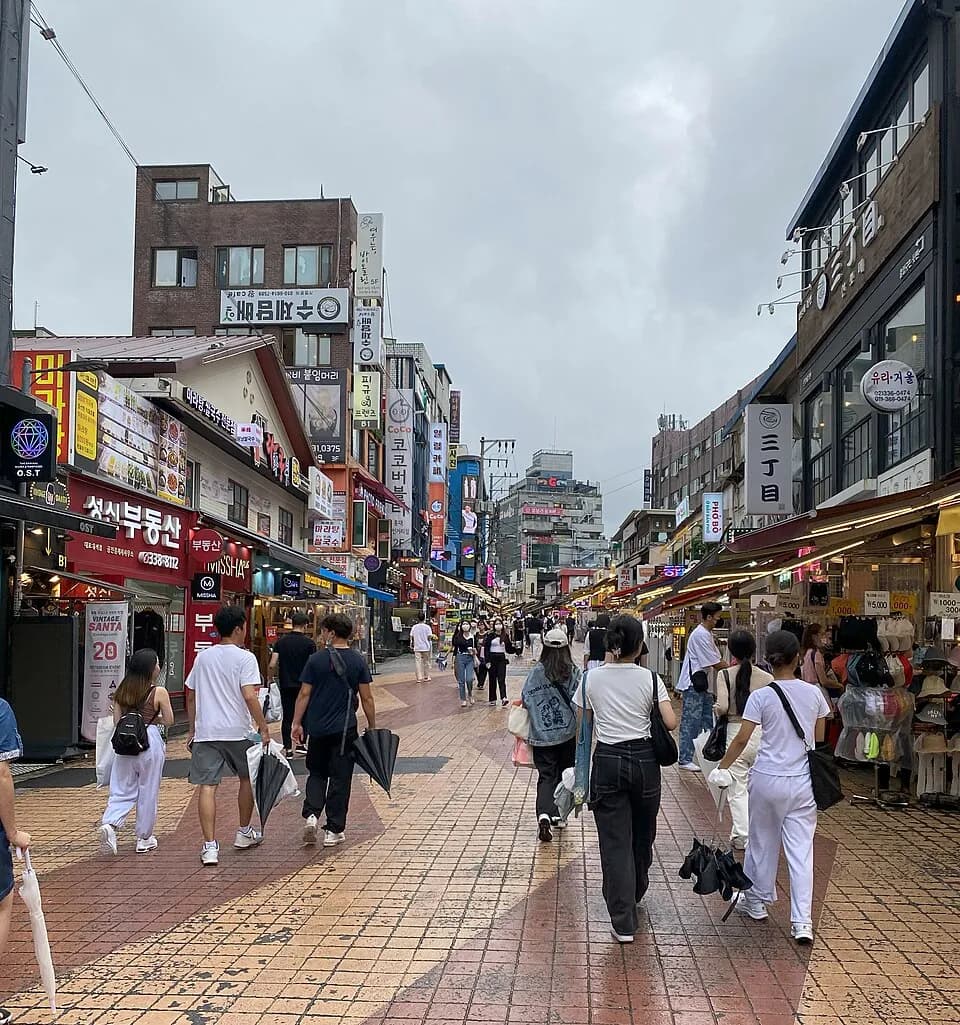
Hongdae
Hongdae (Hongik University Area)
Seoul's creative heartbeat. Indie music venues, street performers, mural alleys, and some of the city's best cafes cluster around Hongik University.
Lunch: Korean BBQ (12:00 - 13:30)
No trip to Seoul is complete without Korean BBQ. Hongdae has dozens of excellent options at every price point. Look for restaurants with charcoal grills (sutbul gui) for the best flavor.
What to order:
- Samgyeopsal (thick-cut pork belly) — the classic, around 13,000-16,000 won per serving
- Galbi (marinated beef short ribs) — richer and sweeter, 20,000-30,000 won
- Wrap it up: Lettuce leaf + grilled meat + ssamjang (spicy paste) + garlic + perilla leaf = the perfect bite
Most BBQ restaurants include unlimited banchan (side dishes), soup, and rice. Lunch sets are often 2,000-3,000 won cheaper than dinner.
Korean BBQ is designed for groups — most restaurants require a minimum order of 2 servings. Solo travelers can look for restaurants advertising "1-in portions" (1인분 가능) or try a BBQ buffet where minimums do not apply.
Afternoon: Gangnam & COEX (14:00 - 17:00)
Take subway Line 2 from Hongik University to Gangnam (about 30 minutes). Cross the Han River to Seoul's glossy southern districts — this is the Seoul of K-pop agencies, plastic surgery clinics, and the song that made the neighborhood's name global.
Head to the COEX Mall, one of Asia's largest underground shopping centers. The real draw is the Starfield Library — a cathedral-like open space with 13-meter-tall bookshelves holding 50,000 volumes, a jaw-dropping free attraction that has become one of Seoul's most Instagrammed spots.
Walk along Gangnam-daero for the full Gangnam experience — sleek office towers, luxury boutiques, and the famous Gangnam Style statue near COEX for a photo op. The neighborhood around Garosugil (a tree-lined street in nearby Sinsa-dong) offers a more relaxed, boutique-heavy alternative.
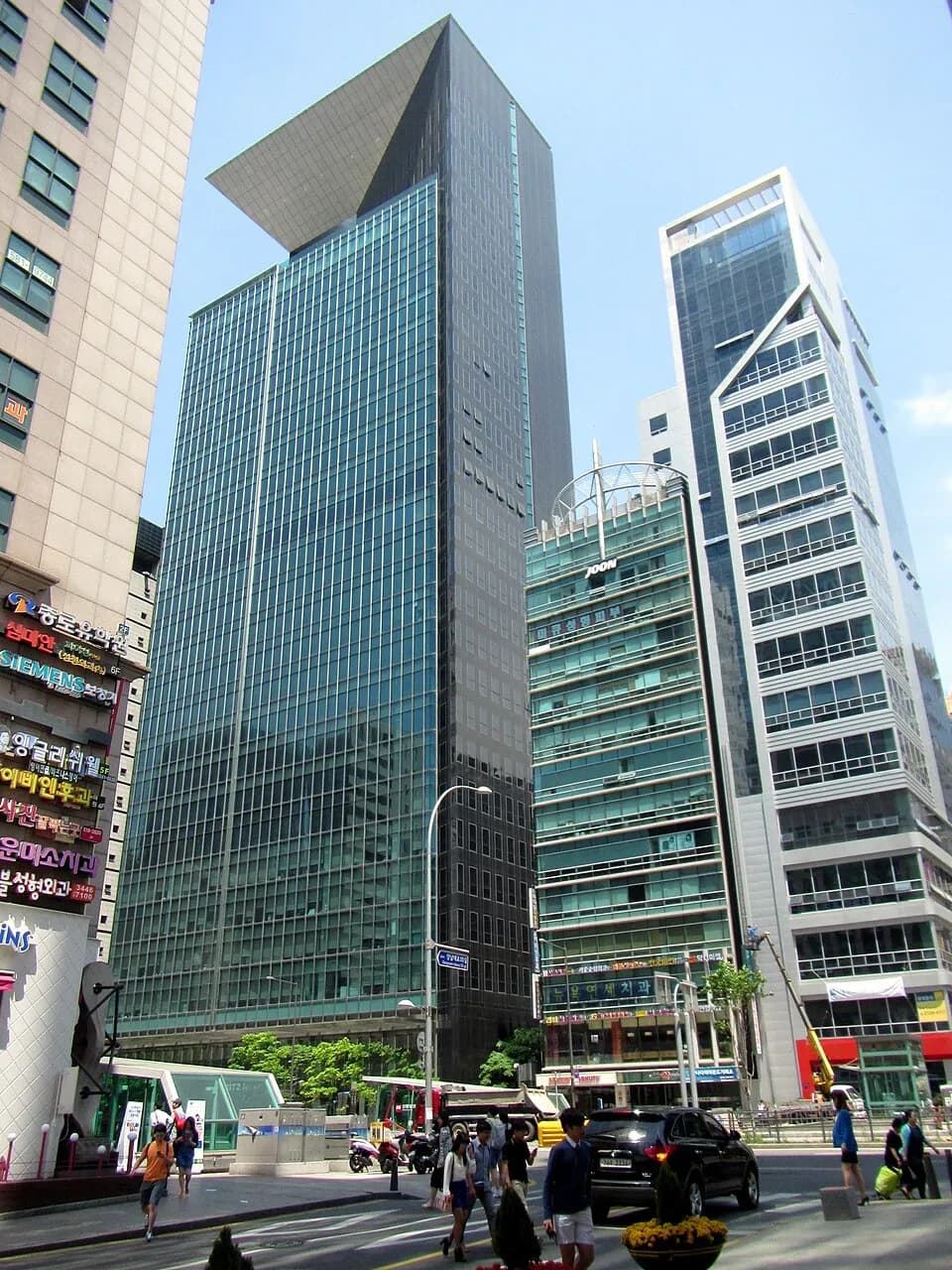
Gangnam
Gangnam District
Seoul's affluent southern district, home to COEX Mall, the Starfield Library, K-pop entertainment agencies, and the neighborhood that inspired the global hit.
Evening: Itaewon Dinner (17:30 - 19:30)
Take the subway to Itaewon (Line 6), Seoul's most international neighborhood. Decades as a hub near the US military base gave Itaewon a global character unique in Seoul — Middle Eastern restaurants, Mexican taquerias, Nigerian suya joints, and craft cocktail bars coexist along the main drag.
Dinner picks: Try Passion 5 for upscale bakery and patisserie, or head to the backstreets of Haebangchon (HBC), the hillside neighborhood above Itaewon where expats and locals share tiny wine bars and hole-in-the-wall restaurants. A craft beer and burger at one of HBC's pubs runs around 15,000-20,000 won.
Night: Hongdae Nightlife (21:00+)
Return to Hongdae for Seoul's best nightlife. The area truly comes alive after 10 PM — live music clubs, dance clubs, noraebang (karaoke rooms), and pojangmacha (tent bars) line every street.
Highlights:
- Club culture: Hongdae clubs like Cocoon and m2 play electronic and K-pop remixes; cover charges run 10,000-20,000 won and often include a drink
- Noraebang: Private karaoke rooms for 15,000-20,000 won per hour — a quintessential Korean experience
- Pojangmacha: Orange tent-covered street stalls serving soju, makgeolli (rice wine), and anju (drinking snacks like fried chicken and pajeon). The most authentic late-night Seoul experience
- Busking: Street performers and dance crews gather at Hongdae Playground on weekend nights, drawing large crowds
3-Day Itinerary
Days 1 and 2 follow the plans above. Day 3 digs deeper into Seoul — a UNESCO palace garden, the city's best traditional market, a trendy emerging neighborhood, and a farewell evening by the Han River.
Morning: Changdeokgung Secret Garden (9:00 - 11:30)
Begin your final day at Changdeokgung Palace, a UNESCO World Heritage Site and arguably the most beautiful of Seoul's five palaces. While the main palace grounds (3,000 won) are worth exploring, the real treasure is the Huwon (Secret Garden) — a 78-acre woodland garden that served as the private retreat of Joseon kings for over 300 years.
Guided tours of the Secret Garden (additional 5,000 won, reservations required) run every 30 minutes and last 90 minutes. The garden features lotus ponds, centuries-old trees, royal reading pavilions, and a farmland area where kings personally tended rice paddies to understand the hardships of their subjects.
- Hours: 9:00-18:00 (Apr-Oct), 9:00-17:30 (Nov-Mar); closed Monday
- Secret Garden tours: Korean, English, Japanese, Chinese — check schedule online
- Time needed: 2-2.5 hours including Secret Garden
Secret Garden tours fill up fast, especially in autumn and spring. Book online at the Changdeokgung website at least 2-3 days in advance. The English tour at 10:30 is the most popular — try 11:30 or the afternoon slot for smaller groups.
Lunch: Gwangjang Market (12:00 - 13:30)
Take the subway to Gwangjang Market (Jongno 5-ga station), Seoul's oldest permanent market and a street food paradise that has been featured on countless food shows.
Must-try dishes:
- Bindaetteok — crispy mung bean pancakes fried in front of you (5,000 won). The grandmothers at the main food alley have been making them for decades
- Mayak gimbap — "addictive" mini rice rolls dipped in mustard-soy sauce (3,500 won). The name literally means "narcotic kimbap" because you cannot stop eating them
- Yukhoe — Korean-style beef tartare with Asian pear and sesame oil (12,000 won). Fresher and more delicate than you might expect
- Tteokbokki & sundae — spicy rice cakes and blood sausage, the classic market combo (6,000 won)
The market is loud, crowded, and electric. Squeeze onto a bench at one of the communal food stalls, point at what looks good, and eat elbow-to-elbow with locals. This is Seoul at its most authentic.
Afternoon: Seongsu-dong (14:00 - 16:30)
Take the subway to Seongsu-dong (Line 2, Seongsu station), often called the "Brooklyn of Seoul." This former industrial district of shoe factories and warehouses has been transformed into Seoul's trendiest neighborhood — converted factory cafes, independent fashion brands, pop-up galleries, and design studios fill the low-rise streets.
Key spots:
- Daelim Changgo — a converted rice warehouse turned gallery and cultural space
- Cafe hopping — Seongsu is Seoul's cafe capital, with massive converted-warehouse cafes like Onion Seongsu (famous for its pastries in an industrial ruin setting) and Cafe Chez Moi
- Seongsu Shoe Street — the area's original handmade shoe workshops still operate alongside the new wave of boutiques
- Seoul Forest — a 10-minute walk east, this 35-hectare park with deer enclosures is a lovely break from the urban pace
Seongsu-dong changes fast — new pop-up shops and cafes open weekly. Check Korean Instagram hashtags (#성수동카페 #성수맛집) for the latest openings. Weekend afternoons are busy; weekday mornings offer a more relaxed experience.
Evening: Hangang Park - Chicken & Beer (17:00 - 19:30)
Walk or cycle to one of the Hangang River Parks (Ttukseom Hangang Park is closest to Seongsu) for one of Seoul's most beloved rituals: chimaek — fried chicken and beer by the river.
Order fried chicken via delivery app (Baedal Minjok or Yogiyo) or grab it from a nearby convenience store. Grab a spot on the grass, crack open a cold Cass or Kloud beer, and watch the sun set over the river as joggers, cyclists, and families fill the park around you. This is how Seoulites spend their evenings, and it is one of those travel experiences that no museum or monument can replicate.
Visible from nearly everywhere in central Seoul, N Seoul Tower crowns Namsan mountain and serves as the city's compass point — a perfect landmark to orient your 3-day exploration.
Night: Rooftop Bar Farewell (20:00+)
End your Seoul trip at a rooftop bar. Seoul's skyline is best appreciated from above, drink in hand.
Top picks:
- Seoul Sky (Lotte World Tower, 123rd floor) — the highest observation deck in Korea at 555 meters, with a sky-high bar on the 122nd floor
- Namsan area rooftop bars — smaller, more intimate venues with direct N Seoul Tower views
- Itaewon/Hannam-dong — craft cocktail bars with Han River panoramas
Transport Tips
Seoul's public transit is fast, clean, and incredibly affordable. Here is everything you need to know.
T-money Card
The T-money card is essential. Buy one at any convenience store (CU, GS25, 7-Eleven) for 2,500 won and load credit onto it. It works on all subways, buses, and even some taxis.
| Transport | Cost | Notes |
|---|---|---|
| Subway (single ride) | ₩1,550 (T-money) / ₩1,650 (single ticket) | Runs 5:30 AM - midnight |
| Bus | ₩1,500 (T-money) | Free transfer within 30 min of subway |
| Taxi (base fare) | ₩4,800 | Affordable; ₩100 per 131m after base |
| Airport Limousine Bus | Check current fare | Direct to major hotels from ICN/GMP |
| AREX (Airport Express) | Check current fare | Incheon Airport to Seoul Station, about 43 min by express |
Subway
Seoul's subway is the backbone of tourist transport. 19 lines cover the entire metropolitan area, with announcements and signage in Korean, English, Chinese, and Japanese. Trains run every 2-5 minutes during the day.
Key lines for tourists:
- Line 1 — Jongno (palaces, Gwangjang Market)
- Line 2 — Hongdae, Gangnam, Seongsu (the "loop line")
- Line 3 — Gyeongbokgung, Anguk, Myeongdong (via transfer)
- Line 6 — Itaewon
Download the KakaoMap or Naver Map app — Google Maps works in Seoul but is less accurate for transit directions and walking routes. KakaoMap provides real-time subway schedules and bus arrival times in English.
Taxis
Seoul taxis are clean, metered, and affordable by international standards. A 15-minute ride across the city center costs around 8,000-12,000 won. KakaoTaxi (the Korean ride-hailing app) is the easiest way to call one — it works like Uber and shows the fare estimate upfront. Late-night surcharges apply from midnight to 4:00 AM (20% extra).
Where to Stay
Your base neighborhood shapes your Seoul experience. Here are the top picks for visitors.
Myeongdong — Central location, easy subway access, surrounded by shopping and restaurants. Best for first-timers who want convenience. Mid-range hotels 80,000-150,000 won/night.
Hongdae — Youthful energy, nightlife on your doorstep, affordable guesthouses and hostels. Best for younger travelers and budget-conscious visitors. 40,000-100,000 won/night.
Gangnam/Jamsil — Modern high-rise hotels, close to COEX and Lotte World. Best for families and luxury travelers. 120,000-300,000 won/night.
Jongno/Insadong — Walking distance to palaces and traditional neighborhoods. Best for history and culture enthusiasts. 60,000-130,000 won/night.
Plan Your Stay
Add these spots to your trip, then find the best hotel area near all of them.
FAQ
More spots featured in this guide:
Seoul's indie music and cafe culture capital. Street performers, murals, and the best nightlife in the city cluster around Hongik University.
Gangnam
Gangnam District
The glossy southern face of Seoul — COEX Starfield Library, K-pop agencies, luxury shopping, and the neighborhood that became a global phenomenon.
Gyeongbokgung
Gyeongbokgung Palace
Seoul's grandest royal palace and the symbolic heart of the Joseon Dynasty, with daily guard changing ceremonies at Gwanghwamun Gate.
Find the best hotel area for this guide
5 spots are already loaded so you can refine the hotel base below.
Plan Your Stay
Add these spots to your trip, then find the best hotel area near all of them.
More Guides
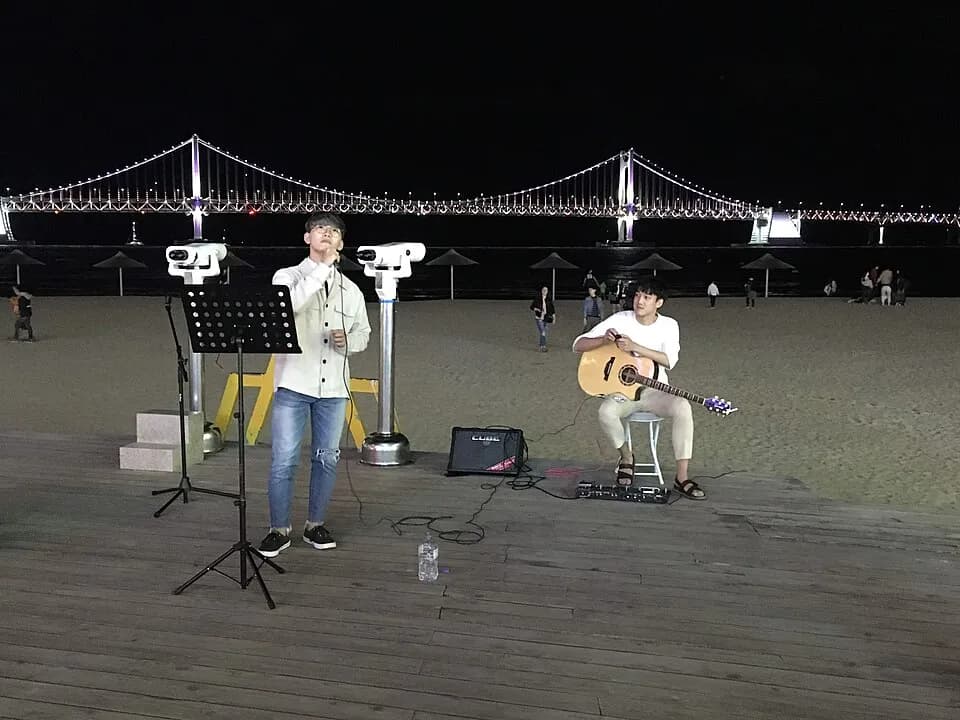
Busan 1-Day & 2-Day Model Itinerary
Day-by-day plans for Busan — beaches, temples, fish markets, colorful villages, and the best seafood in Korea.
Gangnam & Garosu-gil: Upscale Shopping, Cafés & K-Pop Culture
Seoul's glitzy south side — luxury malls, tree-lined Garosu-gil, COEX, and the heart of K-pop.
Gyeongbokgung Palace & Bukchon Hanok Village: The Complete Seoul Heritage Guide
A detailed guide to Seoul's most iconic royal palace and traditional hanok neighborhood — access, highlights, hanbok tips, nearby cafes, and where to stay.
Hongdae & Yeonnam-dong: Indie Culture, Cafes & Nightlife
Seoul's vibrant youth hub — street performances, indie shops, craft cafes, and Korea's best nightlife scene.
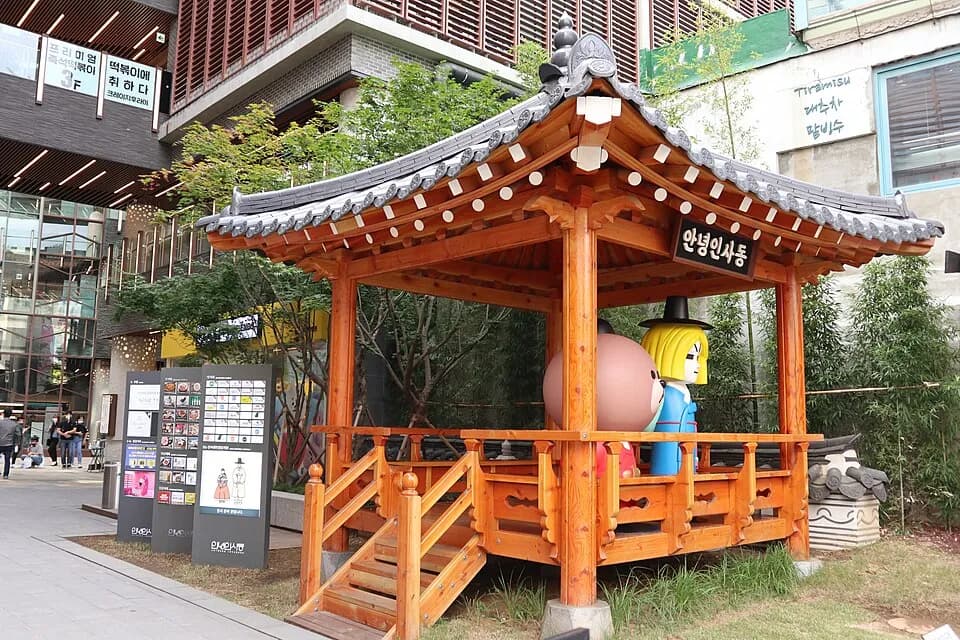
Insadong & Jongno: Traditional Tea Houses, Galleries & Cheonggyecheon
Seoul's cultural heartland — antique shops, traditional tea, Changdeokgung's Secret Garden, and the revitalized Cheonggyecheon Stream.
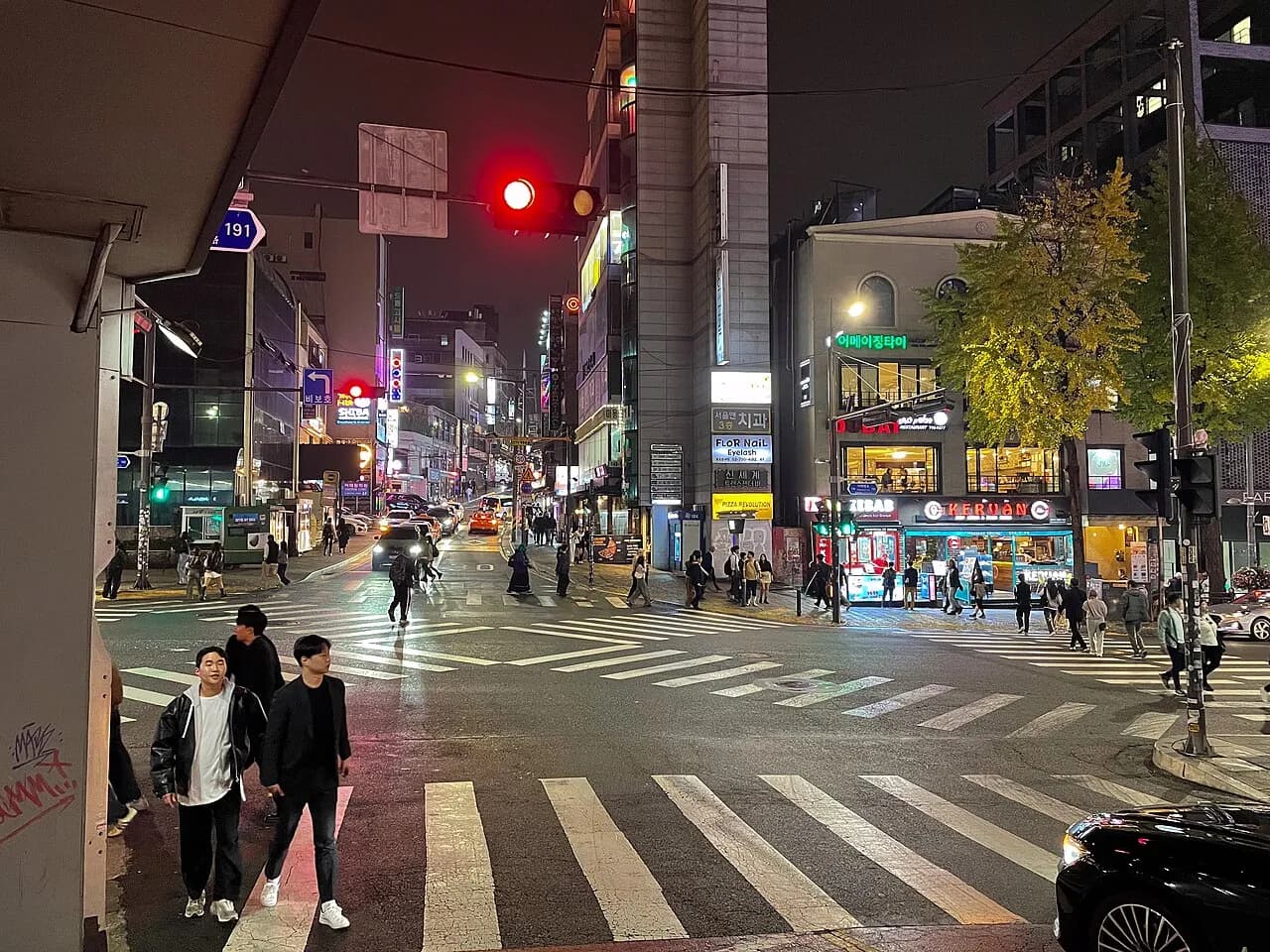
Itaewon & Hannam: Global Food, Rooftop Bars & Multicultural Seoul
Seoul's most international neighborhood — world cuisines, craft cocktails, Hannam's gallery scene, and Haebangchon's hilltop charm.
Myeongdong & Namdaemun: Seoul's Shopping & Street Food Paradise
K-beauty flagships, sizzling street food, and Korea's oldest market — your complete guide to Myeongdong and Namdaemun in central Seoul.
Where to Stay in Seoul: Best Areas for Every Traveler (2026)
A data-driven guide to the best neighborhoods in Seoul for first-time visitors, nightlife lovers, culture seekers, and K-pop fans. Compare Myeongdong, Hongdae, Jongno, Gangnam, and more.
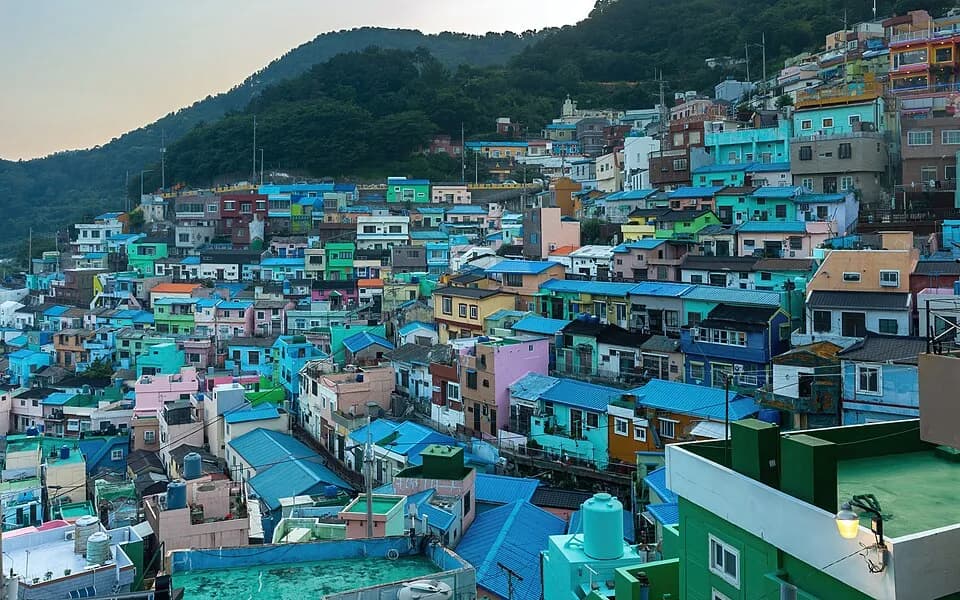
Gamcheon Culture Village, Nampo-dong & Jagalchi: Busan's Colorful Old Town
Busan's most photogenic hillside village, Korea's largest fish market, and the vibrant original downtown — art, seafood, and street food in one walk.
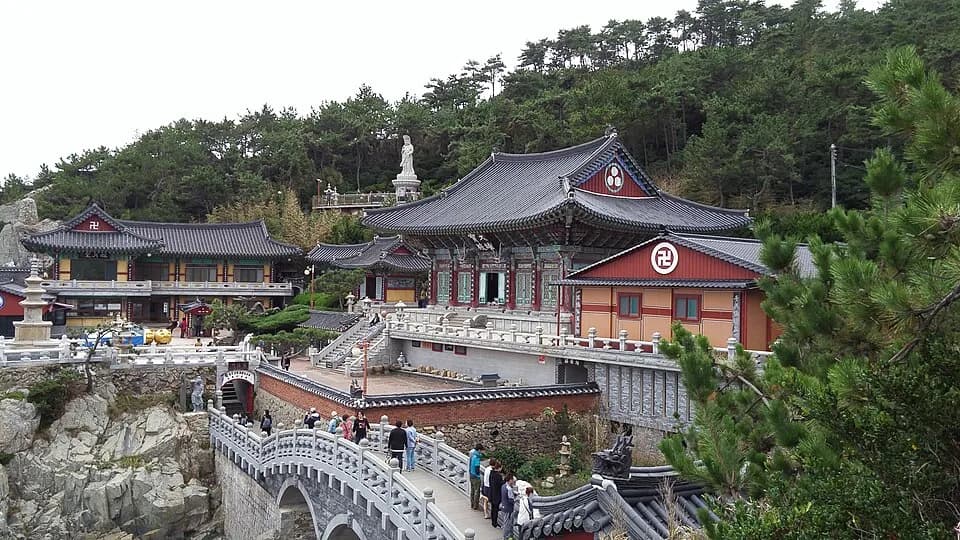
Haedong Yonggungsa & Taejongdae: Busan's Oceanside Temples & Cliffs
A seaside temple perched on ocean cliffs, Busan's dramatic southern peninsula, and peaceful Songjeong Beach — nature at its finest.
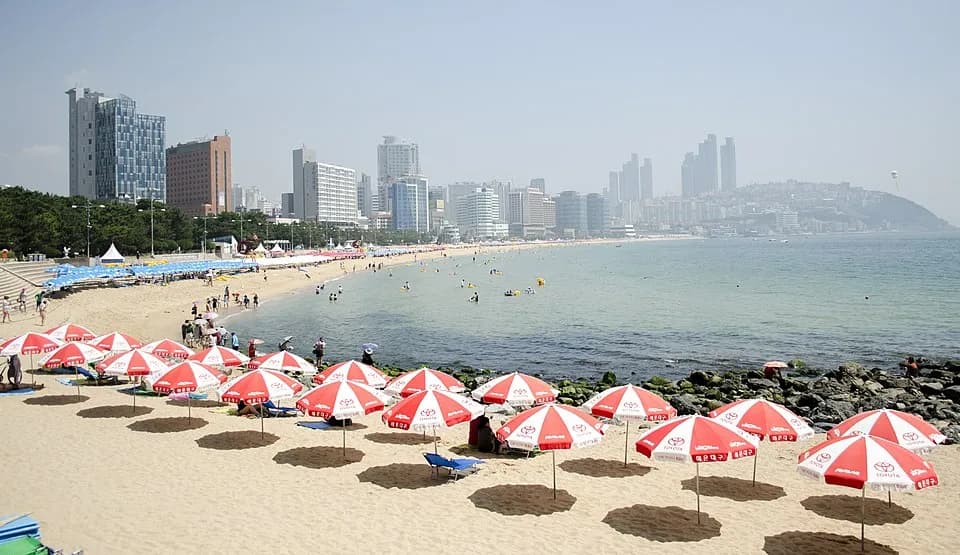
Haeundae & Gwangalli Beach: Sun, Seafood & Ocean Views
Korea's most famous beaches — Haeundae's white sand, Gwangalli's bridge night views, Dongbaek Island trail, and the freshest seafood in Busan.
Where to Stay in Busan: Best Areas for Every Traveler (2026)
A data-driven guide to the best neighborhoods in Busan for first-time visitors, beach lovers, foodies, and budget travelers. Compare Haeundae, Seomyeon, Nampo-dong, and Gwangalli.
Information such as prices, hours, and schedules may have changed. Please verify details on official websites before your visit.