Gyeongbokgung Palace & Bukchon Hanok Village: The Complete Seoul Heritage Guide
2026-03-13
Guide to Action
Overview
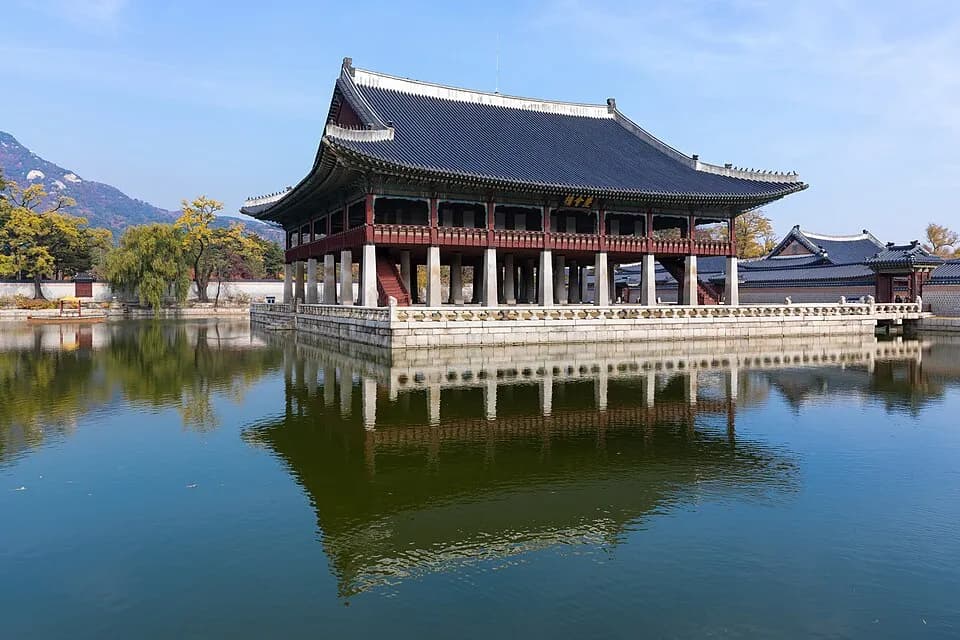
Gyeongbokgung (경복궁) is Seoul's grandest and most important royal palace, originally built in 1395 as the main seat of the Joseon dynasty. Its name means "Palace Greatly Blessed by Heaven," and the sprawling 40-hectare grounds contain some of Korea's finest examples of traditional architecture — from the imposing Geunjeongjeon throne hall to the ethereal Gyeonghoeru Pavilion floating over a lotus pond.
Just a 10-minute walk northeast of the palace lies Bukchon Hanok Village (북촌한옥마을), a living neighborhood of over 900 traditional Korean houses (hanok) nestled between Gyeongbokgung and Changdeokgung palaces. Unlike an open-air museum, real families still live here, and the narrow alleyways offer some of Seoul's most photogenic scenes — curved tile rooftops against a backdrop of modern skyscrapers.
Together, these two landmarks form the cultural heart of Seoul and can be explored in a single, deeply rewarding half-day walk that also takes in Gwanghwamun Square, Samcheong-dong's charming cafe street, and the galleries of Insadong.
Best for: First-time visitors to Seoul, history and culture lovers, hanbok photo seekers, anyone wanting to experience traditional Korea in the heart of a modern city.
Seoul's grandest royal palace, built in 1395 as the main palace of the Joseon dynasty. The sprawling grounds include throne halls, pavilions, gardens, and the National Palace Museum.
Getting There
Gyeongbokgung is centrally located and easily accessible by Seoul's metro system.
| From | Route | Time | Cost |
|---|---|---|---|
| Seoul Station | Subway Line 1 → Line 3 (Gyeongbokgung Stn, Exit 5) | ~25 min | ₩1,550 with T-money |
| Hongdae (Hongik Univ.) | Subway Line 2 → Line 3 (Gyeongbokgung Stn) | ~20 min | ₩1,550 with T-money |
| Myeongdong | Subway Line 4 → Line 3 (Gyeongbokgung Stn) | ~15 min | ₩1,550 with T-money |
| Gangnam | Subway Line 2 → Line 3 (Gyeongbokgung Stn) | ~35 min | ₩1,550 with T-money |
| Itaewon | Subway Line 6 → Line 3 (Gyeongbokgung Stn) | ~20 min | ₩1,550 with T-money |
Take Exit 5 from Gyeongbokgung Station — it leads directly to Gwanghwamun Gate, the main entrance. The walk from the station exit to the ticket booth is about 5 minutes through Gwanghwamun Square.
For Bukchon Hanok Village, you can also use Anguk Station (Line 3, Exit 2), which places you right at the start of the hanok streets.
Highlights
Gyeongbokgung Palace
The palace grounds are vast, so give yourself at least 1.5–2 hours to explore properly. The main north-south axis runs from Gwanghwamun Gate through the throne hall to the rear garden.
Key buildings and areas:
- Gwanghwamun (광화문): The main gate, flanked by stone haetae (mythical lion-like creatures). The current gate was painstakingly restored to its original wooden form in 2010.
- Geunjeongjeon (근정전): The throne hall and the most important building in the palace. The double-tiered stone platform is lined with rank stones showing the positions where court officials stood during audiences. A National Treasure.
- Gyeonghoeru Pavilion (경회루): An extraordinarily beautiful banquet hall built over an artificial lotus pond. The 48 stone pillars reflected in still water is one of Korea's most iconic images. Best photographed in early morning light.
- National Palace Museum of Korea: Located inside the palace grounds near the south entrance. Houses over 40,000 royal artifacts. Free admission — one of Seoul's best free museums.
- National Folk Museum of Korea: Also on the palace grounds, this museum covers everyday life throughout Korean history with excellent diorama exhibits. Free admission.
Royal Guard Changing Ceremony:
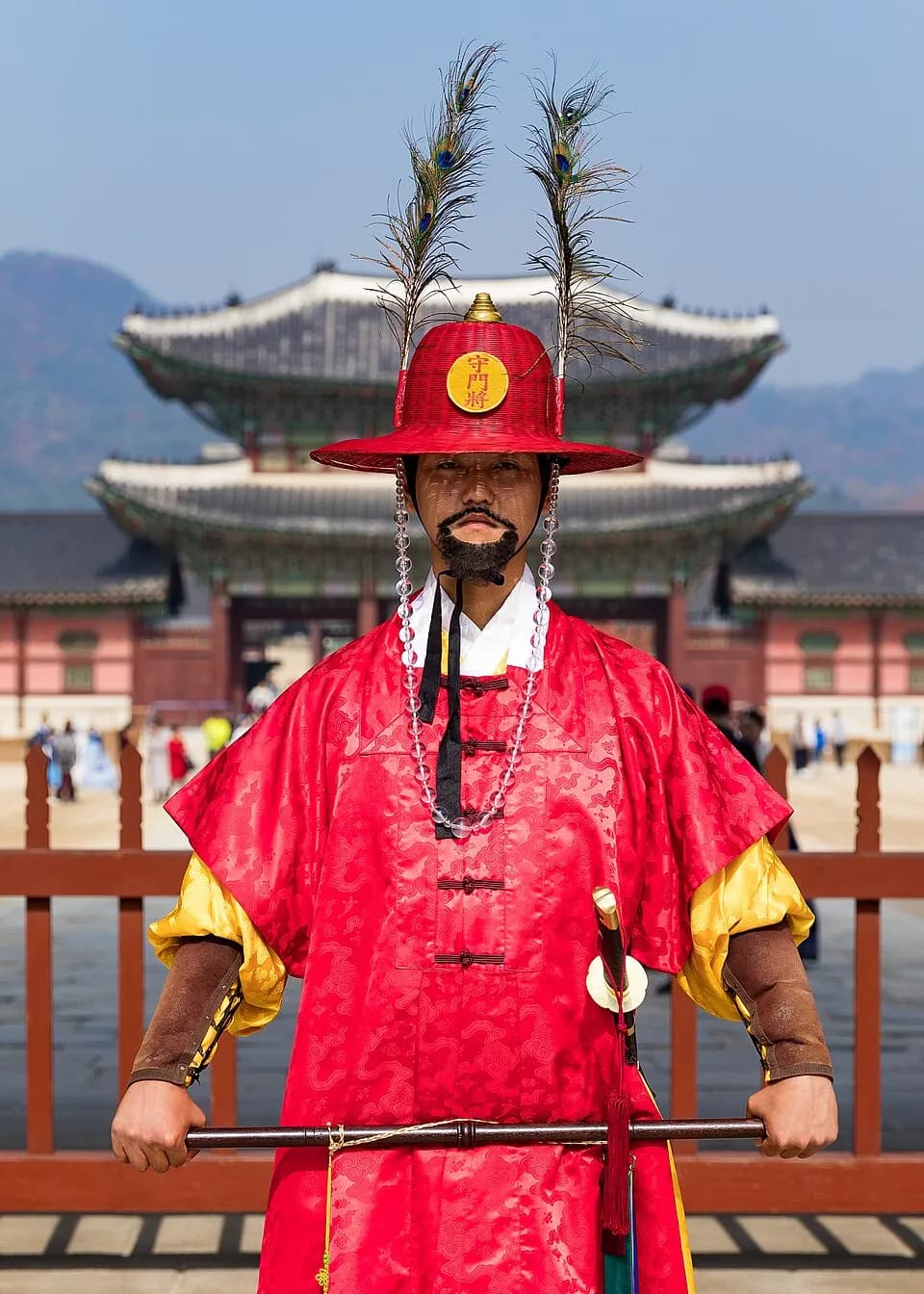
One of the must-see events at Gyeongbokgung. Guards in full Joseon-era regalia perform a formal changing ceremony at Gwanghwamun Gate at 10:00 and 14:00 daily (except Tuesdays). The ceremony lasts about 20 minutes. Arrive 15 minutes early for a good viewing spot near the front.
After the ceremony, you can pose for free photos with the standing guards in their colorful uniforms. They won't move or speak — it's the Korean equivalent of Buckingham Palace guards.
Bukchon Hanok Village
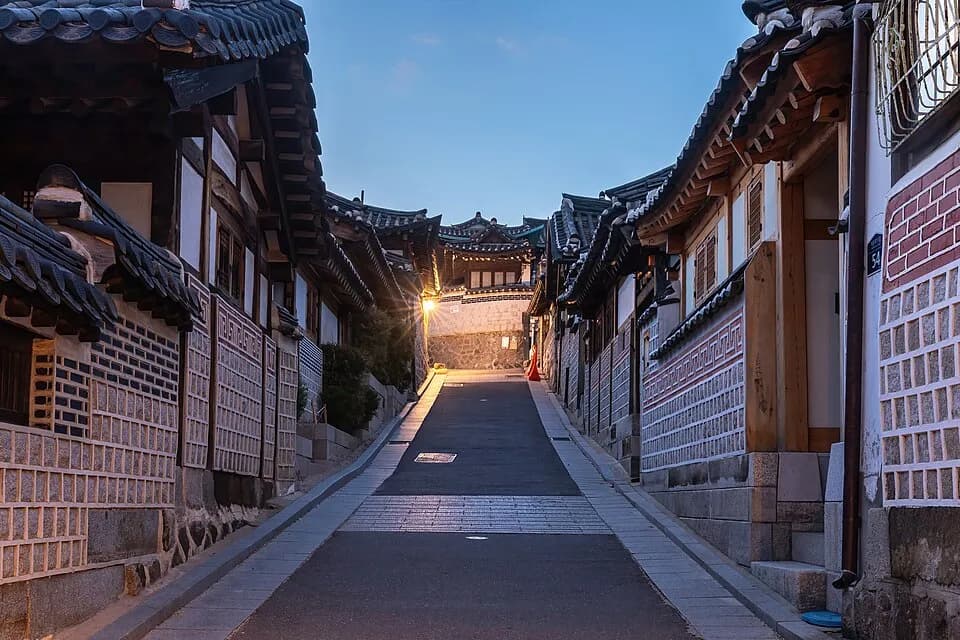
A traditional neighborhood of over 900 Korean hanok houses, set on the hills between Gyeongbokgung and Changdeokgung palaces. A living village with stunning photo opportunities.
Bukchon (meaning "North Village") sits on a series of hills between the two main palaces. The village has 8 officially designated scenic viewpoints (bukchon 1-gyo through 8-gyo), each marked with a sign. The most popular are:
- Bukchon 5-gyo and 6-gyo: The most photographed spots, with narrow alleyways of hanok rooftops cascading down a hillside. Stunning in every season.
- Bukchon 2-gyo: Offers a panoramic view over the village with Namsan Tower in the distance.
- Bukchon 8-gyo: A quieter viewpoint near Changdeokgung, with beautiful stonework walls.
Please be quiet and respect visiting-hour rules. Bukchon is a residential neighborhood, and parts of the special management zone currently limit tourist visits to 10:00 AM-5:00 PM. Avoid peeking into private homes and stay on marked paths.
Gwanghwamun Square
Seoul's central public square, home to statues of King Sejong and Admiral Yi Sun-sin. A gathering place for events, protests, and celebrations in the heart of the city.
The grand boulevard stretching south from the palace gate was redesigned in 2022 into a more pedestrian-friendly public space. Two important statues stand here: King Sejong the Great (inventor of the Korean alphabet, Hangul) and Admiral Yi Sun-sin (the legendary naval commander). Below King Sejong's statue is an underground exhibition hall telling the story of Hangul — free to enter.
Samcheong-dong
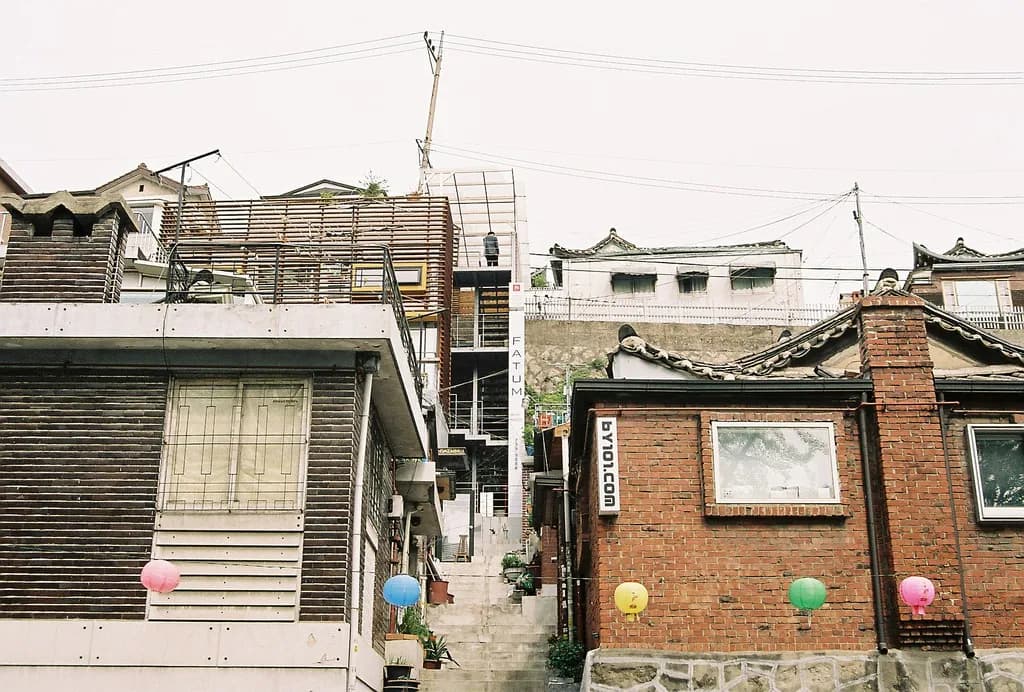
A charming neighborhood of art galleries, independent cafes, and boutique shops along a tree-lined street, running northeast from Gyeongbokgung toward Bukchon.
Samcheong-dong's main street runs northeast from the palace wall toward Bukchon, lined with indie galleries, artisan cafes, and design boutiques. It's the perfect place to decompress after the palace with a coffee or traditional tea. On weekdays the atmosphere is relaxed; weekends draw young couples and tourists.
Food & Cafes
Traditional Korean Cuisine near Gyeongbokgung
- Tosokchon Samgyetang (토속촌삼계탕): Seoul's most famous samgyetang (ginseng chicken soup) restaurant, just a 5-minute walk from the palace. A whole young chicken stuffed with ginseng, jujubes, and glutinous rice. ₩18,000 per bowl. Expect a 30–60 minute wait at lunch; come before 11:30am or after 2pm.
- Jaha Sonmandu (자하손만두): A small, beloved dumpling restaurant in Buam-dong, north of the palace. Their steamed mandu (dumplings) and kalguksu (knife-cut noodle soup) are handmade daily. ₩9,000–12,000. Cash only.
Samcheong-dong Cafes
The Samcheong-dong cafe street is one of Seoul's best for independent, design-forward coffee shops.
- Fritz Coffee: Specialty coffee with a retro Seoul vibe. Their croissants are excellent. Americano ₩5,500.
- Cafe Bora (카페보라): Famous for its purple sweet potato desserts — the bora latte and soft serve are Instagram staples. ₩7,000–9,000.
- Cha Masineun Tteul (차 마시는 뜰): A traditional Korean tea house with floor seating and a garden courtyard. Try the ssanghwa-cha (herbal tea) or omija-cha (five-flavor berry tea). ₩8,000–10,000.
Tongin Market (통인시장)
A 10-minute walk west of the palace, Tongin Market is a small traditional market famous for its unique Lunchbox Cafe (도시락카페). For ₩10,000, you receive a tray and a set of vintage brass coins (엽전) to "spend" at market stalls, filling your tray with tteokbokki, japchae, jeon (savory pancakes), and other Korean dishes. It's a fun, affordable, and genuinely local experience.
The Lunchbox Cafe operates 11:00–17:00 (closed Mondays). Buy your coin set at the main booth near the market entrance. The market is small — budget 30–45 minutes including eating time.
Tips & Best Times
Free Entry in Hanbok
Wearing hanbok (traditional Korean clothing) gets you free admission to all four major Seoul palaces, including Gyeongbokgung. Dozens of hanbok rental shops surround the palace, particularly along the street between Anguk Station and Gwanghwamun. Rental costs ₩15,000–30,000 for 2–4 hours and includes accessories (headpieces, bags). Popular shops include Hanboknam and Gyeongbok Palace Hanbok.
This is not just a tourist gimmick — Koreans themselves regularly wear hanbok to the palaces, and the combination of traditional dress against palace architecture makes for extraordinary photos.
Best Photo Times
- Early morning (9:00–10:00): The palace opens at 9am. The first hour has dramatically fewer visitors, soft light, and a tranquil atmosphere ideal for photography — especially at Gyeonghoeru Pavilion.
- Golden hour (late afternoon): The warm light hitting the wooden palace buildings creates beautiful conditions. In autumn, the colors are spectacular.
- Bukchon: Visit between 10am and 3pm when light reaches the alleyways and the current special management visiting hours are in effect.
Key Practical Information
- Opening hours: 9:00–18:00 (last entry 17:00). Extended to 18:30 June–August. Reduced to 17:00 November–February.
- Closed: Every Tuesday. If your Seoul trip is short, plan around this.
- Admission: ₩3,000 for adults (ages 19–64). Free for children, seniors, and anyone wearing hanbok.
- Free guided tours in English, Japanese, and Chinese are available. English tours depart at 11:00 and 14:30 from the main gate area.
Nighttime special openings: Several times a year (usually spring and autumn), Gyeongbokgung opens for special evening visits with traditional performances and illuminated buildings. Tickets sell out almost instantly — check the Cultural Heritage Administration website (english.cha.go.kr) 2–3 weeks in advance.
Suggested Route (Half-Day)
- 9:00 — Enter Gyeongbokgung via Gwanghwamun (arrive early for fewer crowds)
- 9:00–10:30 — Explore the palace grounds, Gyeonghoeru, and the National Palace Museum
- 10:00 — Watch the Royal Guard Changing Ceremony (if timing works)
- 10:30–11:30 — Walk to Bukchon Hanok Village via the east gate (Chunchugwan side)
- 11:30–12:30 — Stroll Samcheong-dong for coffee or traditional tea
- 12:30 — Lunch at Tosokchon or Tongin Market
Where to Stay
The Gyeongbokgung and Bukchon area is one of Seoul's best neighborhoods for visitors — central, walkable, rich in culture, and well-connected by subway. Accommodation ranges from traditional hanok guesthouses (a unique experience) to modern boutique hotels.
Plan Your Stay
Add these spots to your trip, then find the best hotel area near all of them.
FAQ
More to explore nearby:
A tree-lined street of indie galleries, design cafes, and boutique shops just northeast of Gyeongbokgung Palace. The perfect post-palace stroll for coffee and culture.
Find the best hotel area for this guide
4 spots are already loaded so you can refine the hotel base below.
Plan Your Stay
Add these spots to your trip, then find the best hotel area near all of them.
More Guides
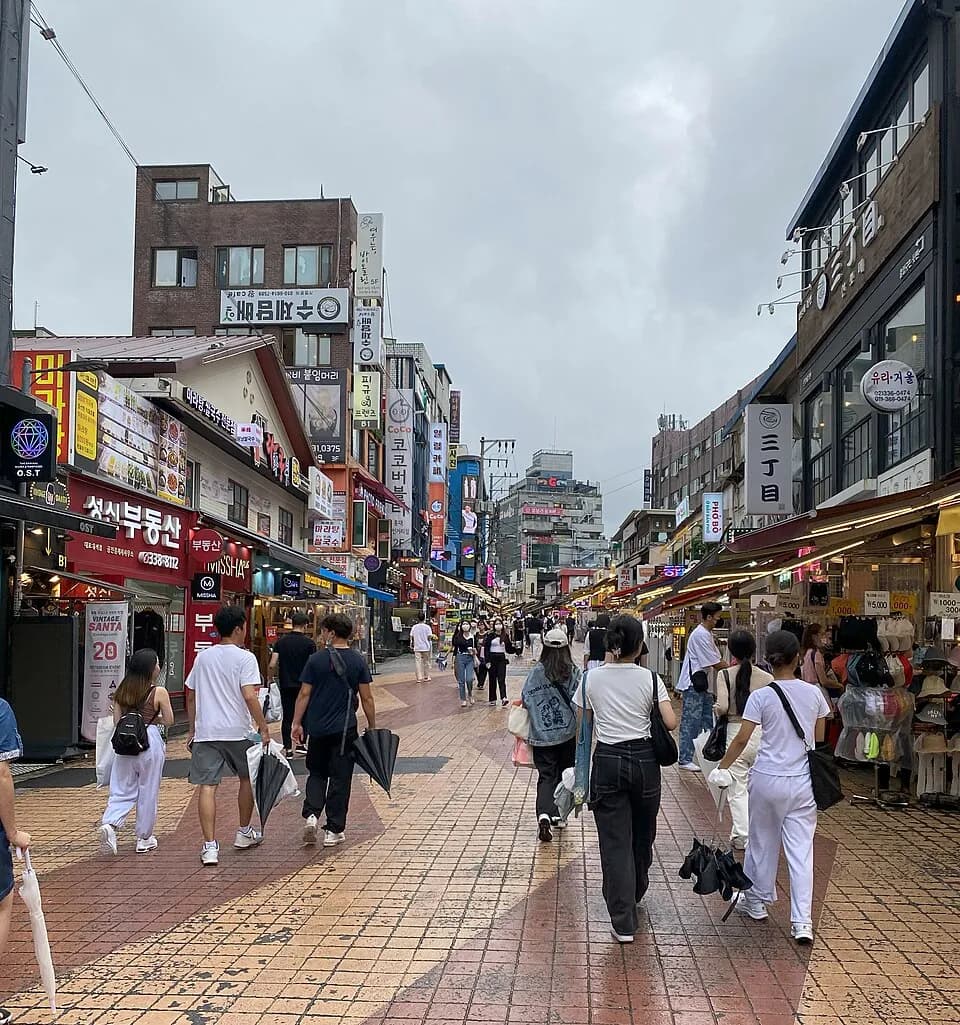
Hongdae & Yeonnam-dong: Indie Culture, Cafes & Nightlife
Seoul's vibrant youth hub — street performances, indie shops, craft cafes, and Korea's best nightlife scene.
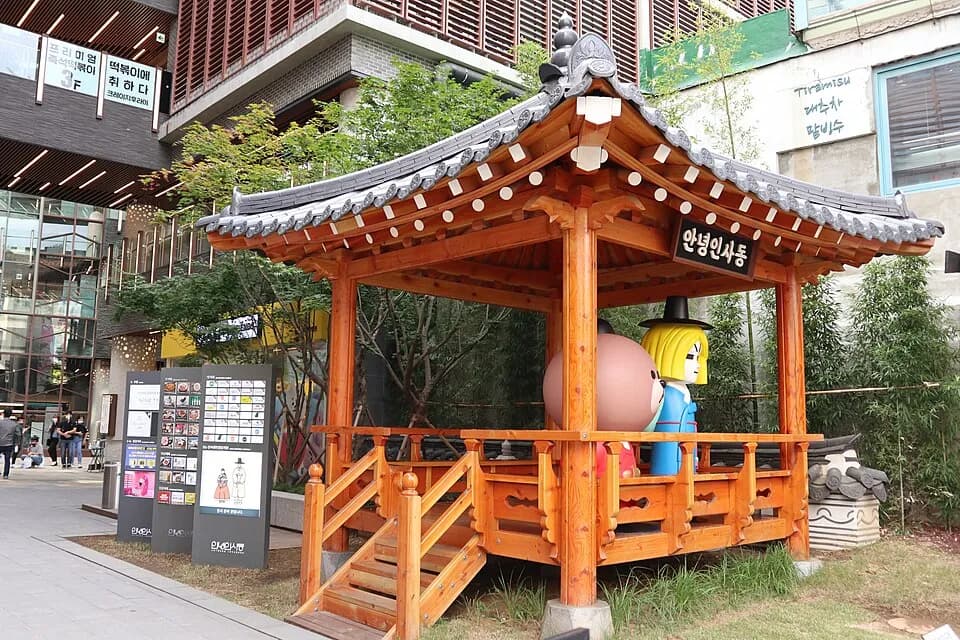
Insadong & Jongno: Traditional Tea Houses, Galleries & Cheonggyecheon
Seoul's cultural heartland — antique shops, traditional tea, Changdeokgung's Secret Garden, and the revitalized Cheonggyecheon Stream.
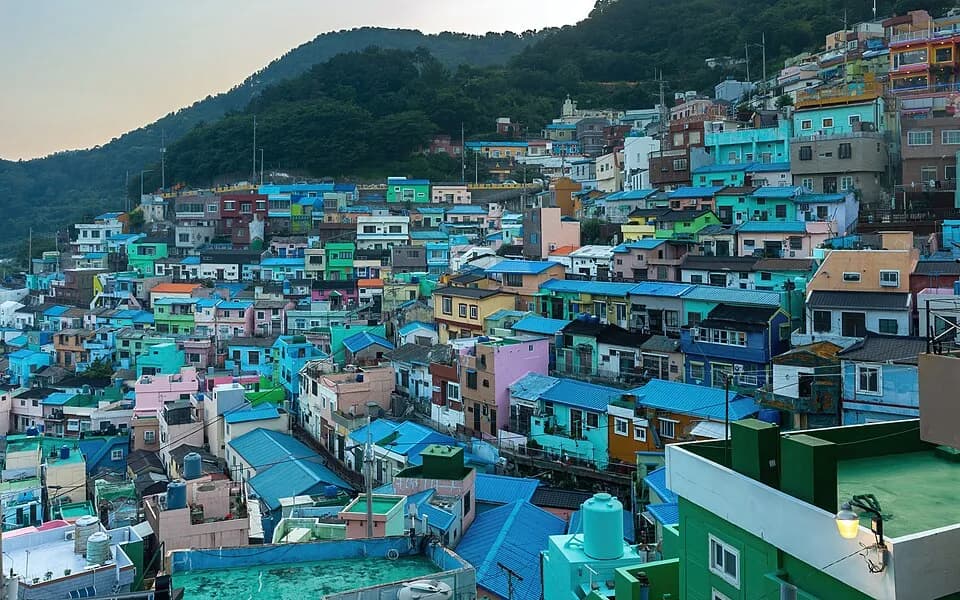
Gamcheon Culture Village, Nampo-dong & Jagalchi: Busan's Colorful Old Town
Busan's most photogenic hillside village, Korea's largest fish market, and the vibrant original downtown — art, seafood, and street food in one walk.
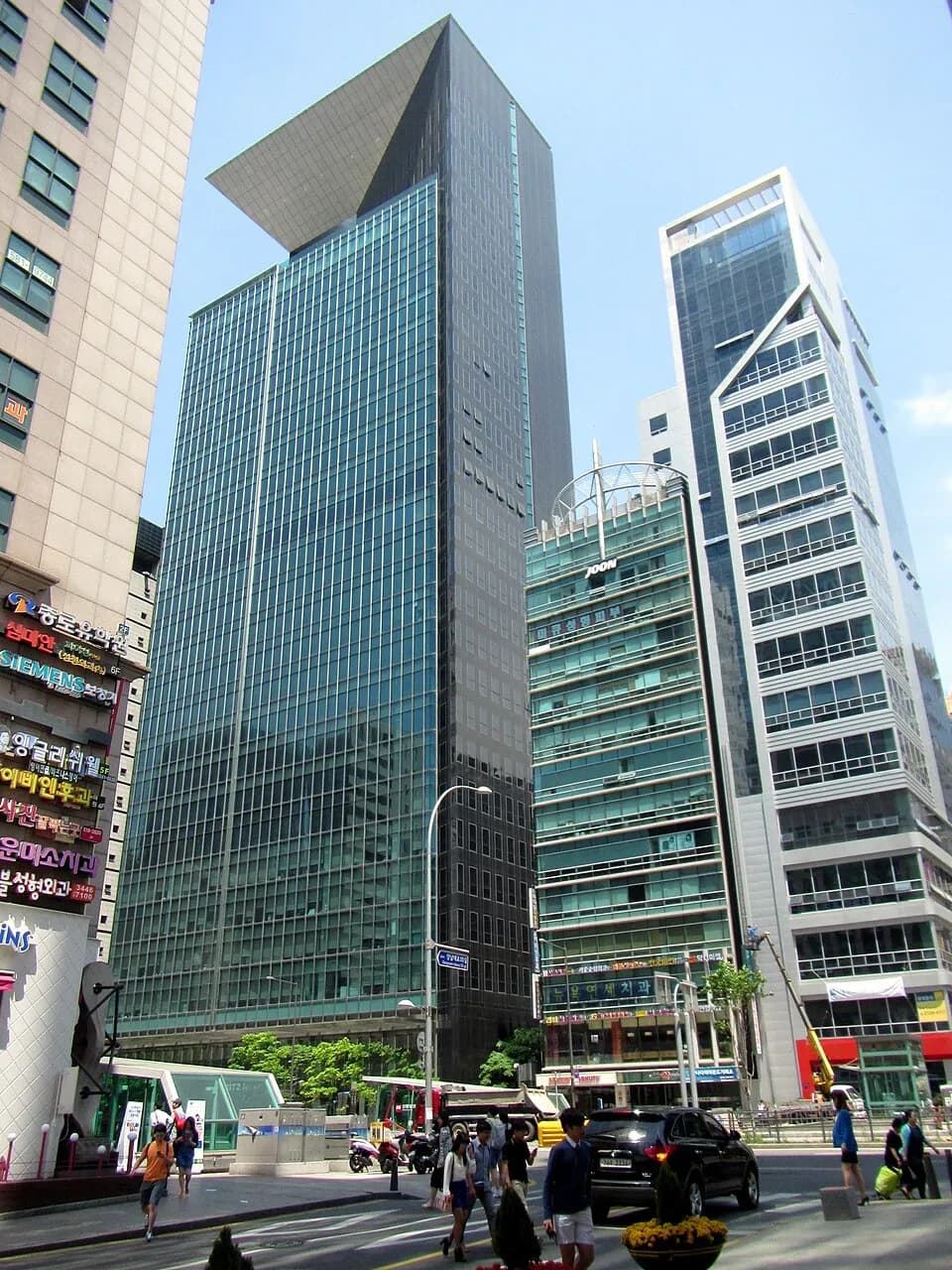
Gangnam & Garosu-gil: Upscale Shopping, Cafés & K-Pop Culture
Seoul's glitzy south side — luxury malls, tree-lined Garosu-gil, COEX, and the heart of K-pop.
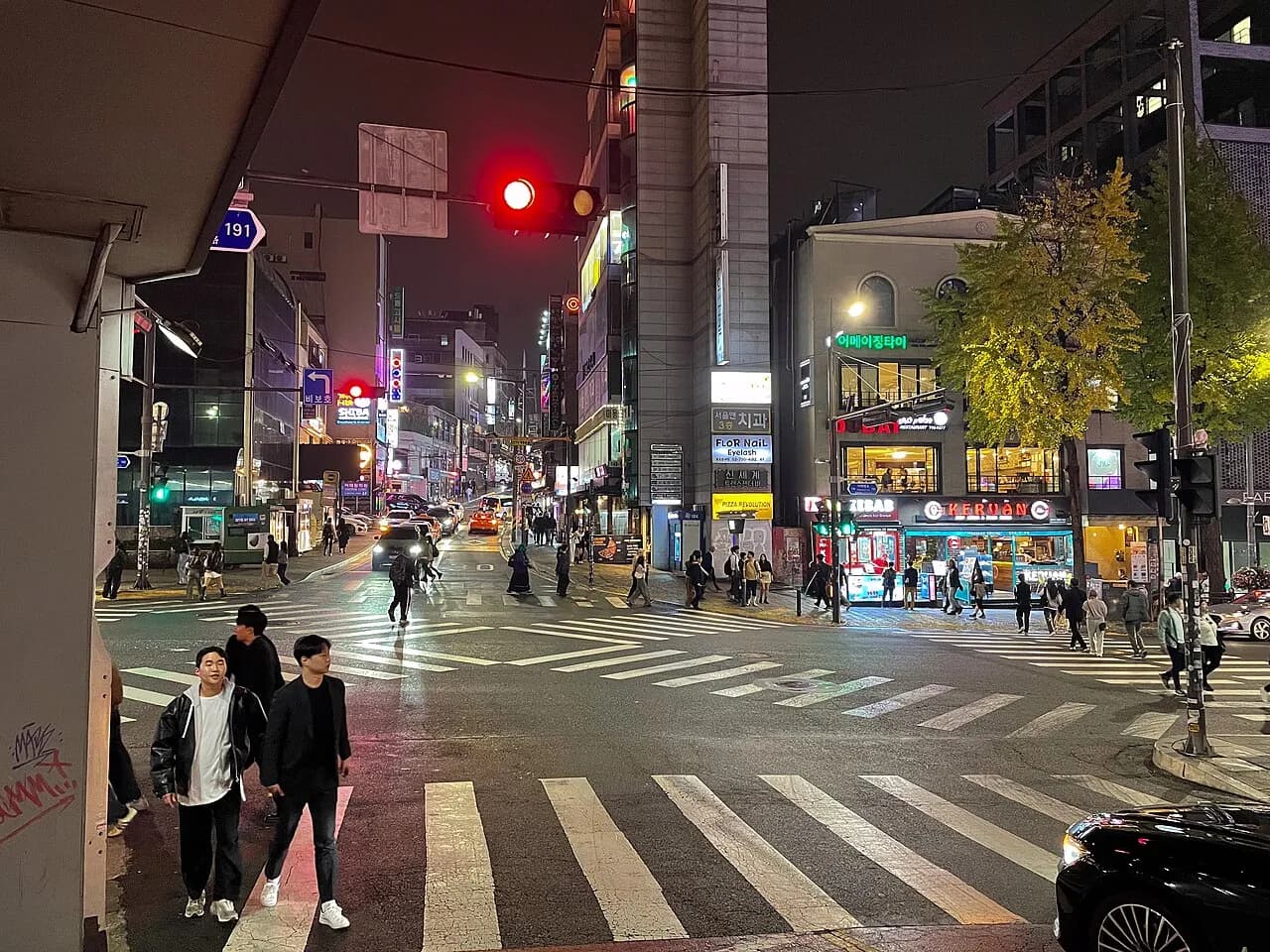
Itaewon & Hannam: Global Food, Rooftop Bars & Multicultural Seoul
Seoul's most international neighborhood — world cuisines, craft cocktails, Hannam's gallery scene, and Haebangchon's hilltop charm.
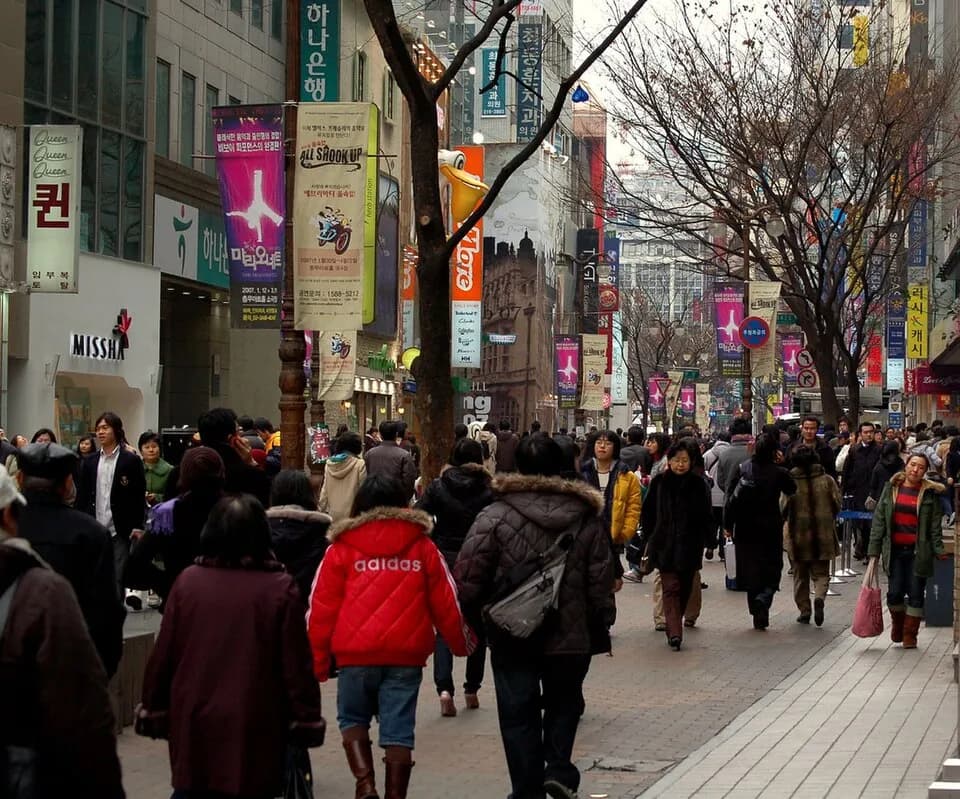
Myeongdong & Namdaemun: Seoul's Shopping & Street Food Paradise
K-beauty flagships, sizzling street food, and Korea's oldest market — your complete guide to Myeongdong and Namdaemun in central Seoul.
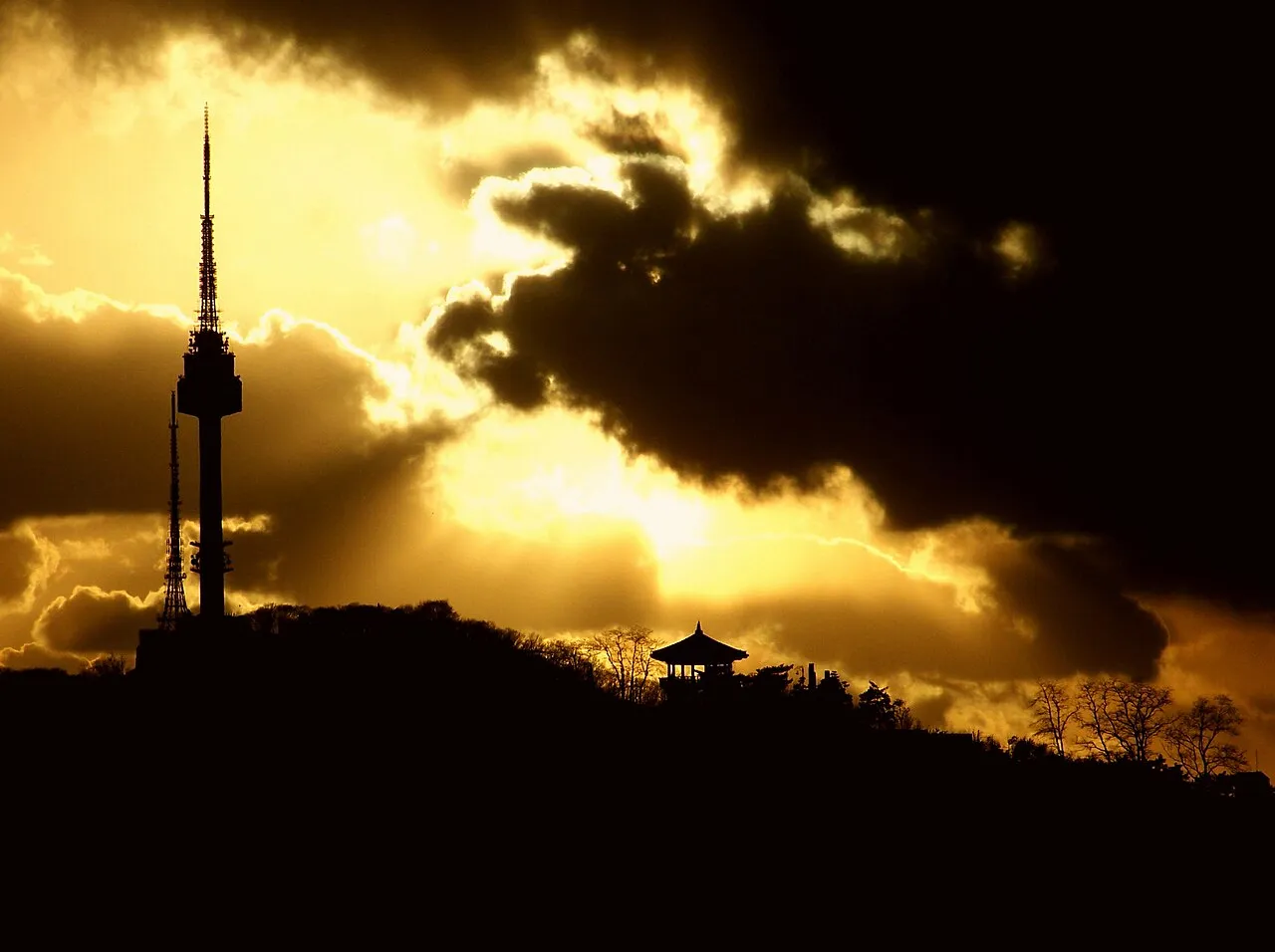
Seoul 1-Day, 2-Day & 3-Day Model Itinerary
Practical day-by-day plans for Seoul — palaces, markets, K-pop, nightlife, and hidden gems organized by duration.
Where to Stay in Seoul: Best Areas for Every Traveler (2026)
A data-driven guide to the best neighborhoods in Seoul for first-time visitors, nightlife lovers, culture seekers, and K-pop fans. Compare Myeongdong, Hongdae, Jongno, Gangnam, and more.
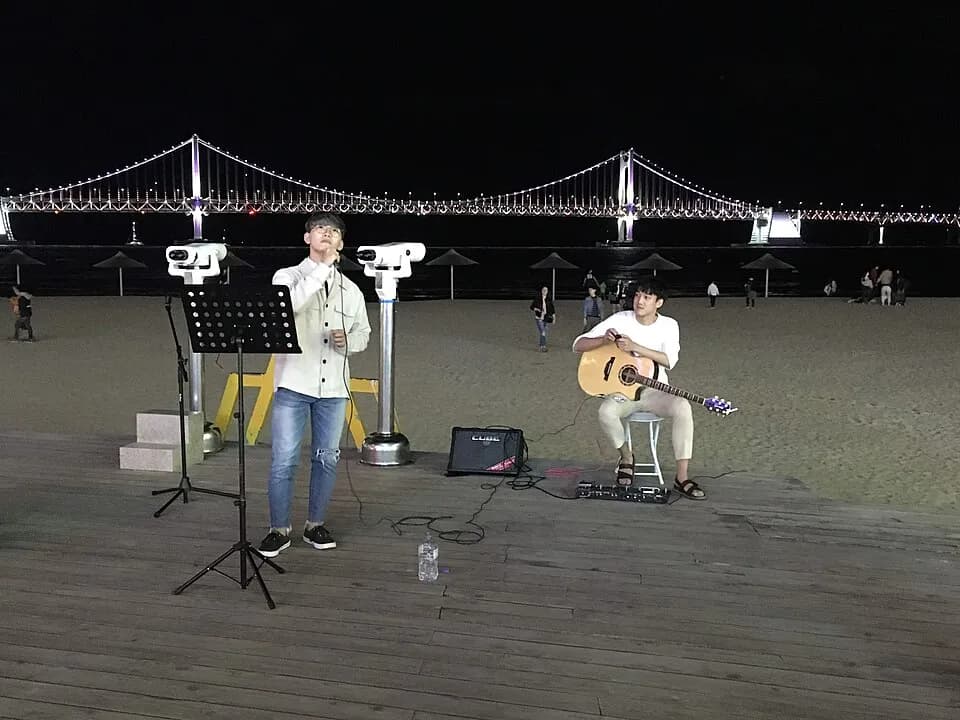
Busan 1-Day & 2-Day Model Itinerary
Day-by-day plans for Busan — beaches, temples, fish markets, colorful villages, and the best seafood in Korea.
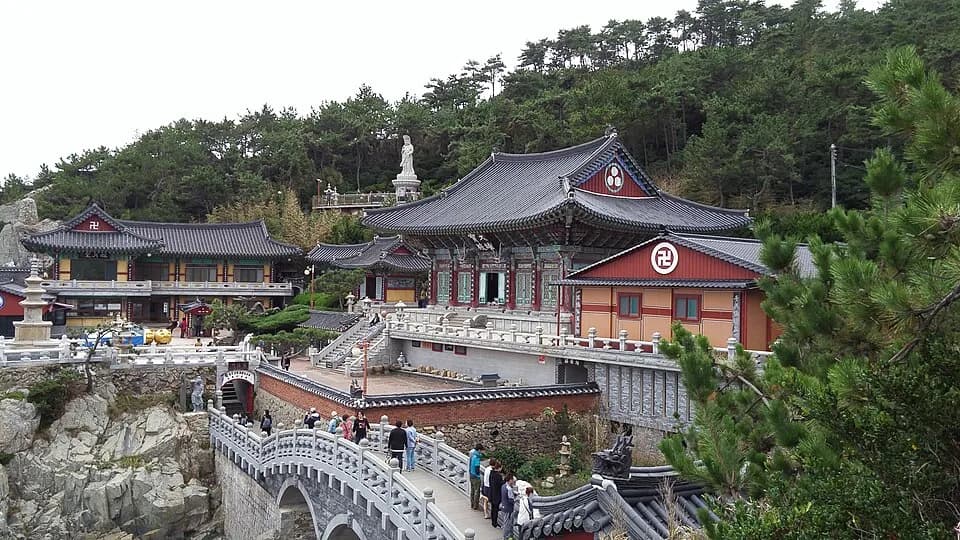
Haedong Yonggungsa & Taejongdae: Busan's Oceanside Temples & Cliffs
A seaside temple perched on ocean cliffs, Busan's dramatic southern peninsula, and peaceful Songjeong Beach — nature at its finest.
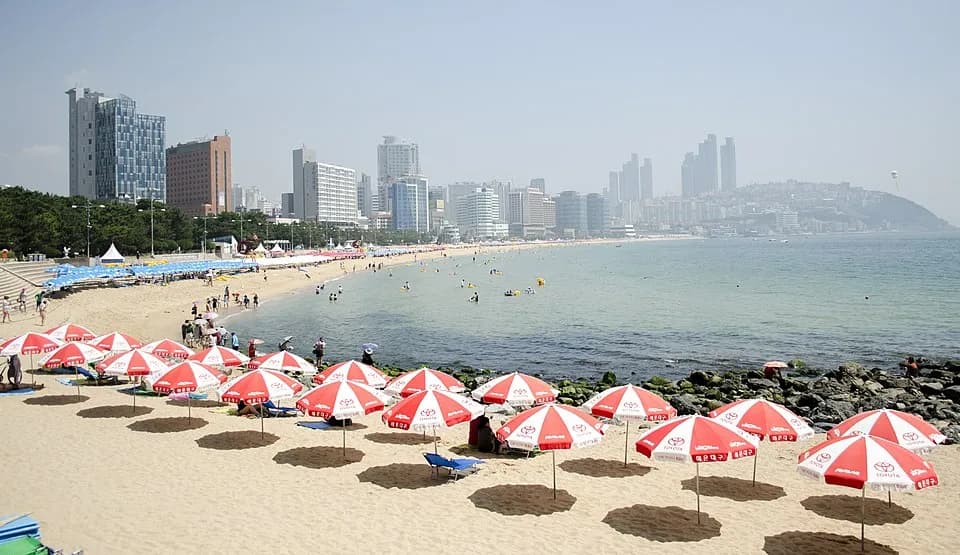
Haeundae & Gwangalli Beach: Sun, Seafood & Ocean Views
Korea's most famous beaches — Haeundae's white sand, Gwangalli's bridge night views, Dongbaek Island trail, and the freshest seafood in Busan.
Where to Stay in Busan: Best Areas for Every Traveler (2026)
A data-driven guide to the best neighborhoods in Busan for first-time visitors, beach lovers, foodies, and budget travelers. Compare Haeundae, Seomyeon, Nampo-dong, and Gwangalli.
Information such as prices, hours, and schedules may have changed. Please verify details on official websites before your visit.