Hongdae & Yeonnam-dong: Indie Culture, Cafes & Nightlife
2026-03-13
Guide to Action
Overview
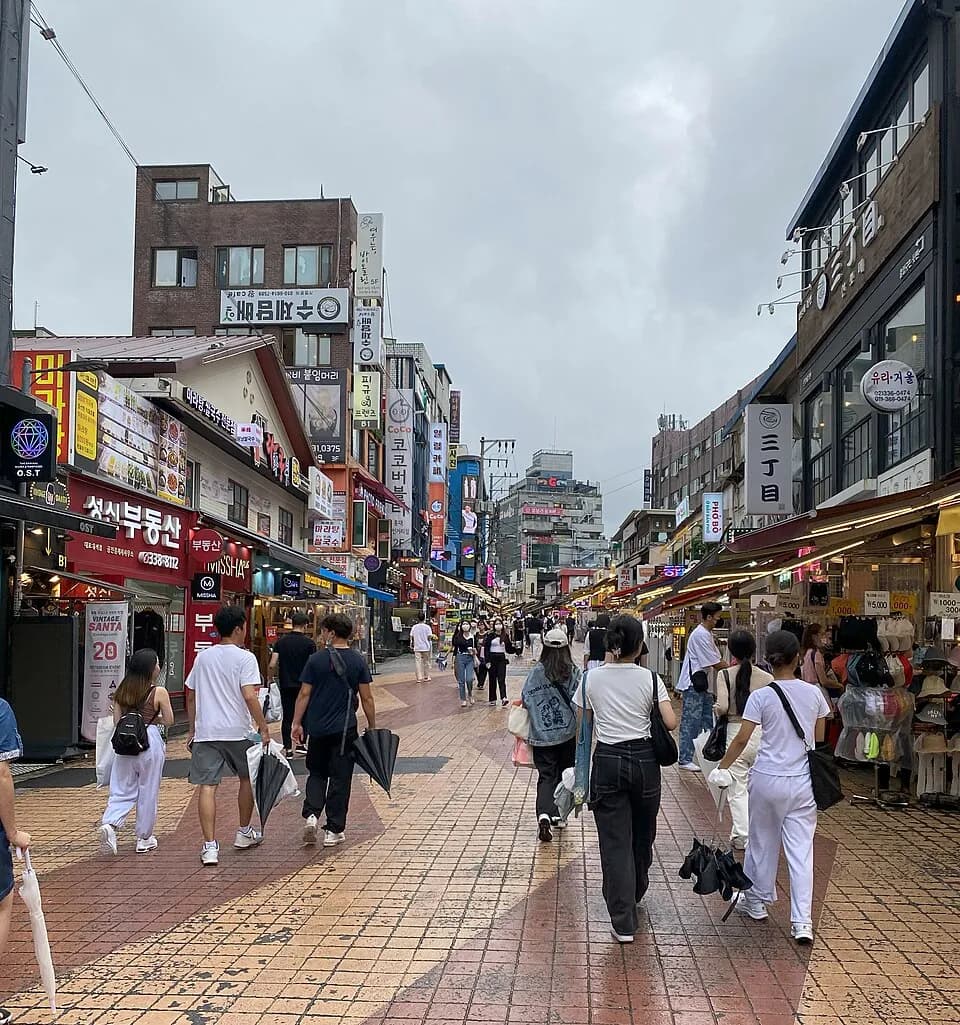
Hongdae is shorthand for the neighborhood surrounding Hongik University, Seoul's most prestigious art school, and it has grown into the undisputed capital of Korea's indie and youth culture. Within a few square blocks you'll find buskers filling plazas with K-pop covers, vintage clothing racks spilling onto sidewalks, underground clubs thumping until dawn, and cafes so artfully designed they could be gallery installations.
What makes Hongdae special is its 24-hour energy. Brunch spots fill up by noon, street performers take over Hongdae Playground by late afternoon, and by midnight the area transforms into one of Asia's most exciting nightlife districts.
Just north of the main drag, Yeonnam-dong offers a quieter counterpoint — tree-lined streets, the Gyeongui Line Forest Park, and a concentration of Instagram-worthy cafes that rivals any neighborhood in Asia. Together, Hongdae and Yeonnam-dong form a full-spectrum experience: loud when you want loud, calm when you need a breath.
Best for: Nightlife seekers, cafe lovers, indie music fans, anyone who wants to feel the creative pulse of modern Seoul.
Seoul's creative heart — street art, live music, indie shops, and Korea's best nightlife.
Getting There
Hongik University Station (Line 2, Airport Railroad AREX) is the main gateway. It's directly connected to Incheon Airport via the AREX line, making it one of the most convenient neighborhoods for travelers.
| From | Route | Time | Cost |
|---|---|---|---|
| Seoul Station | Subway Line 1 → Line 2 (Hongik Univ Stn) | ~20 min | ₩1,550 with T-money |
| Myeongdong | Subway Line 4 → Line 2 | ~20 min | ₩1,550 with T-money |
| Gangnam | Subway Line 2 (direct) | ~30 min | ₩1,550 with T-money |
| Incheon Airport | AREX (Airport Railroad, direct) | ~55 min | Check current fare |
| Itaewon | Subway Line 6 → Line 2 | ~20 min | ₩1,550 with T-money |
If you're arriving from Incheon Airport, take the AREX All-Stop train directly to Hongik University Station. It's cheaper than a taxi (₩4,250 vs. ₩60,000+) and drops you right in the heart of the action. Exit 9 puts you on the main street within seconds.
Hongdae Main Area
Hongdae Playground
The beating heart of the neighborhood. This small public park in front of Hongik University transforms every weekend into an open-air performance stage. Buskers, breakdancers, K-pop cover groups, acoustic singer-songwriters, and occasional magic acts draw standing-room-only crowds from mid-afternoon until late evening.
On Saturdays, the Hongdae Free Market (홍대 프리마켓) sets up around the playground — local artists and crafters sell handmade jewelry, prints, leather goods, and ceramics. It's been running since 2002 and remains one of Seoul's best places to buy original, affordable art directly from the creator.
Picasso Street & Mural Alleys
Named for the spirit rather than any literal connection, Picasso Street (피카소 거리) runs near the university and is lined with street art, murals, and small galleries. The walls here change constantly as new artists paint over old work, making every visit different. Side alleys branching off the main strip hide some of the most striking pieces — look up, look down, and check behind stairwells.
Vintage & Indie Shopping
Hongdae is Seoul's secondhand fashion capital. Dozens of vintage shops cluster around the main streets, selling everything from 1990s denim jackets to military surplus to curated Korean streetwear. Prices are remarkably fair — expect ₩5,000–₩30,000 for most items. Notable clusters include the streets between Exit 8 and Exit 9 of Hongik University Station.
K-pop dance studios also dot the area, many offering drop-in classes where you can learn choreography from current hits. Sessions typically run ₩15,000–₩25,000 for a 60-minute class.
Street performers, vintage shops, mural alleys — Hongdae rewards wandering with no fixed plan.
Yeonnam-dong
Gyeongui Line Forest Park
A former railway line that once carried freight trains into Seoul has been transformed into a narrow, tree-lined urban park stretching over 6 kilometers. Often compared to New York's High Line, the Gyeongui Line Forest Park (경의선숲길) runs through the heart of Yeonnam-dong and serves as the neighborhood's spine.
The park is lined with benches, small gardens, food trucks, and art installations. On warm evenings, the entire length fills with couples, friends sharing fried chicken on blankets, and buskers playing acoustic sets. The section between Hongik University Station and Yeonnam-dong is particularly atmospheric after sunset when string lights overhead glow amber.
Yeonnam-dong 239-20
This small park — named after its street address — sits at the north end of Yeonnam-dong and became famous through Instagram for its emerald-green lawns and the surrounding concentration of photogenic cafes. It's essentially a neighborhood pocket park, but the surrounding streets are what make it a destination: independent bookshops, ceramic studios, plant-filled brunch spots, and boutique clothing stores that feel curated rather than commercial.
Brunch & Cafe Culture
Yeonnam-dong has quietly become Seoul's brunch capital. Unlike Hongdae's louder, faster energy, the cafes here tend toward natural light, house plants, minimalist interiors, and carefully composed menus. Many are run by young entrepreneurs who've invested everything in a single small space. Expect excellent pour-over coffee, sourdough toast with house-made spreads, and matcha desserts that look like architecture.
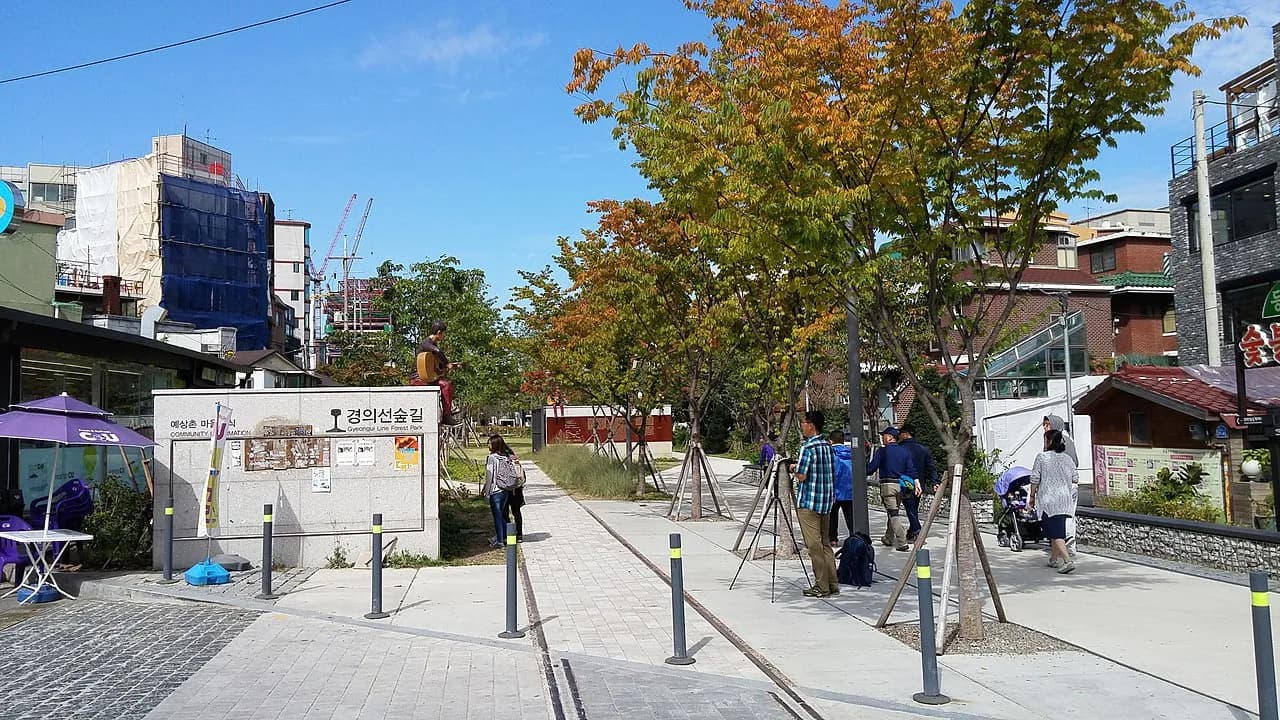
Leafy streets, the Gyeongui Line Forest Park, and Seoul's finest cafe culture — Hongdae's quieter, greener sibling.
Yeonnam-dong is best explored on foot. Start at the Gyeongui Line Forest Park entrance near Hongik University Station (Exit 3), walk north along the park, and let the side streets pull you in. Most of the best cafes and shops are hidden one or two blocks off the main path.
Hapjeong & Mangwon
Mangwon Market
One subway stop west of Hongdae, Mangwon Market (망원시장) is a traditional Korean market that hasn't been polished for tourists — and that's exactly why you should visit. Local vendors sell fresh produce, tteok (rice cakes), bindaetteok (mung bean pancakes), kimbap rolls for ₩2,000, and some of the best hotteok (sweet stuffed pancakes) in Seoul.
Unlike the heavily marketed Gwangjang Market, Mangwon feels like a neighborhood kitchen. Come hungry, bring cash, and eat your way from one end to the other.
Mangwon Hangang Park
A 10-minute walk south from the market brings you to the Han River at Mangwon Hangang Park. This stretch of riverside park is a local favorite for cycling, picnicking, and watching the sunset over the river. Convenience stores along the path sell ramyeon, snacks, and drinks — grab supplies and settle in on the grass as the city skyline lights up.
Hapjeong Craft Scene
The area around Hapjeong Station has developed into a hub for craft breweries, specialty coffee roasters, and independent restaurants. Notable stops include several microbreweries offering Korean-hopped pale ales and stouts, and a growing number of natural wine bars.
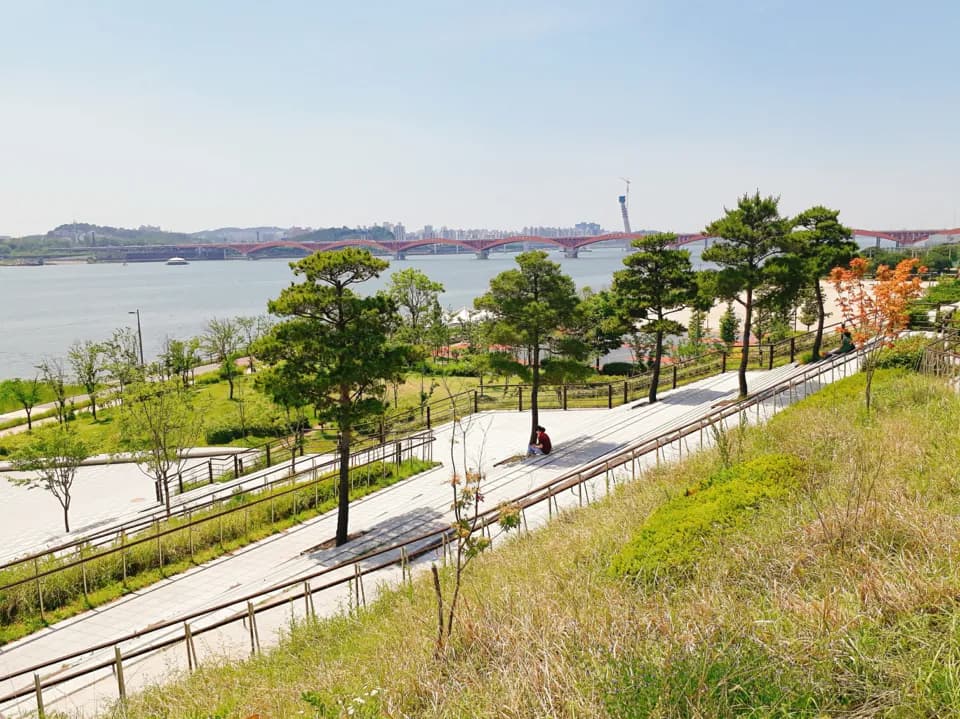
Mangwon Market's street food, Han River sunsets, and a craft beer scene that keeps expanding.
Nightlife
Club Street
Hongdae's Club Street (클럽거리) runs roughly from Exit 9 of Hongik University Station toward the playground, and on Friday and Saturday nights it becomes one of the most electric nightlife strips in Asia. Music spills from every doorway — EDM, hip-hop, K-pop, indie rock, techno — and the crowd skews young (mostly 20s and early 30s).
What to expect:
- Most clubs charge ₩10,000–₩20,000 entry, which typically includes one drink
- Peak hours run from midnight to 4 AM; many clubs stay open until 6 AM or later
- Dress code is generally relaxed — streetwear and sneakers are fine at most venues
- ID is always checked at the door; carry your passport
Live Music Venues
Hongdae's indie music roots are alive in its live houses. Rolling Hall, Club FF, and several smaller basement venues host Korean indie bands, hip-hop acts, and the occasional international touring artist. Tickets typically run ₩10,000–₩30,000, and the intimate scale of these venues means you're never more than a few meters from the stage.
Pojangmacha & Noraebang
For a more laid-back night, seek out a pojangmacha (포장마차) — a tent-style street bar serving soju, beer, and simple dishes like odeng (fish cake skewers) and tteokbokki. They're scattered through the side streets and offer one of the most authentically Korean drinking experiences you can have.
End the night at a noraebang (노래방, Korean karaoke). Unlike Japanese karaoke boxes, Korean noraebangs are often coin-operated — drop ₩500–₩1,000 per song, grab a tambourine, and sing until your voice gives out. They're everywhere in Hongdae and most are open 24 hours.
Seoul's subway stops running around midnight and resumes at 5:30 AM. On weekend nights in Hongdae, most people simply stay out until the first train. Taxis are available but surge pricing is common after midnight — budget ₩15,000–₩30,000 for a taxi back to central Seoul.
Food & Cafes
Korean BBQ
Hongdae has dozens of Korean BBQ restaurants, many open until the early morning hours. Look for spots with ventilation hoods over each table and Korean text on the signage — these tend to be the most authentic. A full BBQ meal with samgyeopsal (pork belly), side dishes, and soju runs about ₩15,000–₩25,000 per person.
Street Food
The streets around Hongdae Playground come alive with food carts in the evening:
- Hotteok — sweet cinnamon-sugar filled pancakes, ₩1,500–₩2,000
- Street toast — egg, cheese, ham, and vegetables on griddled bread, ₩2,500–₩3,500
- Tteokbokki — spicy rice cakes in a rich gochujang sauce, ₩3,000–₩4,000
- Tornado potato — deep-fried spiral-cut potato on a stick, ₩3,000
Craft Coffee
Both Hongdae and Yeonnam-dong are at the forefront of Seoul's specialty coffee movement. Independent roasters pull single-origin espresso, and many cafes roast their own beans on site. Expect to pay ₩5,000–₩7,000 for a hand-drip coffee — expensive by Korean standards, but the quality rivals any third-wave city in the world.
Rooftop Bars
Several buildings around Hongdae and Hapjeong house rooftop bars with views over the neighborhood. These tend to be quieter than Club Street and serve cocktails in the ₩12,000–₩18,000 range. They're ideal for starting the evening before heading into the main nightlife area.
Where to Stay
Staying in Hongdae puts you at the center of Seoul's most walkable and lively neighborhood, with direct airport access via the AREX line. Accommodations range from budget hostels and guesthouses (₩20,000–₩40,000/night) to mid-range hotels (₩80,000–₩150,000/night) and boutique stays in Yeonnam-dong.
Plan Your Stay
Add these spots to your trip, then find the best hotel area near all of them.
FAQ
More to explore nearby:
Walk the Gyeongui Line Forest Park, discover hidden cafes, and experience Seoul's most relaxed creative neighborhood.
Find the best hotel area for this guide
3 spots are already loaded so you can refine the hotel base below.
Plan Your Stay
Add these spots to your trip, then find the best hotel area near all of them.
More Guides
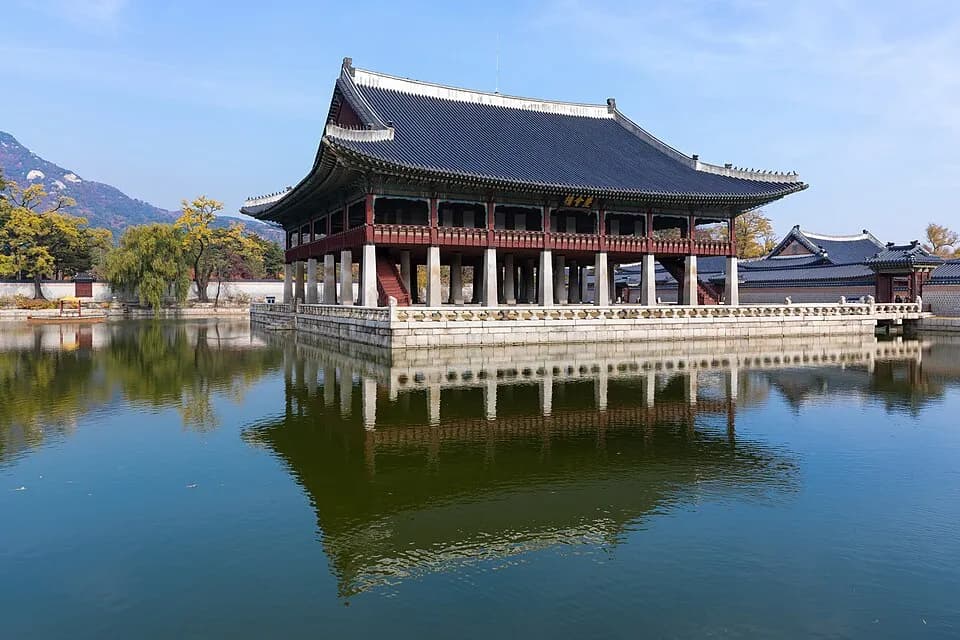
Gyeongbokgung Palace & Bukchon Hanok Village: The Complete Seoul Heritage Guide
A detailed guide to Seoul's most iconic royal palace and traditional hanok neighborhood — access, highlights, hanbok tips, nearby cafes, and where to stay.
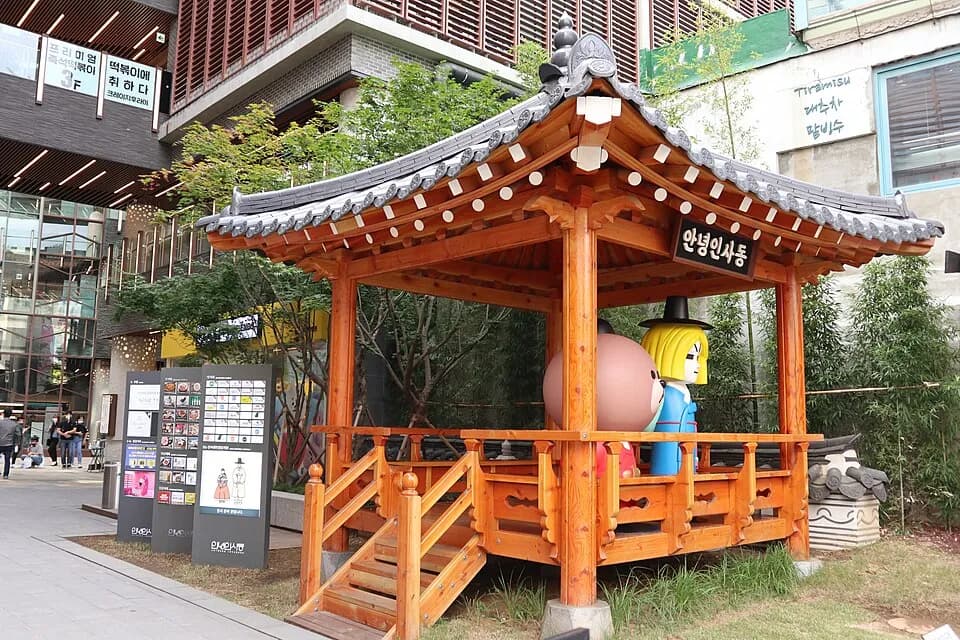
Insadong & Jongno: Traditional Tea Houses, Galleries & Cheonggyecheon
Seoul's cultural heartland — antique shops, traditional tea, Changdeokgung's Secret Garden, and the revitalized Cheonggyecheon Stream.
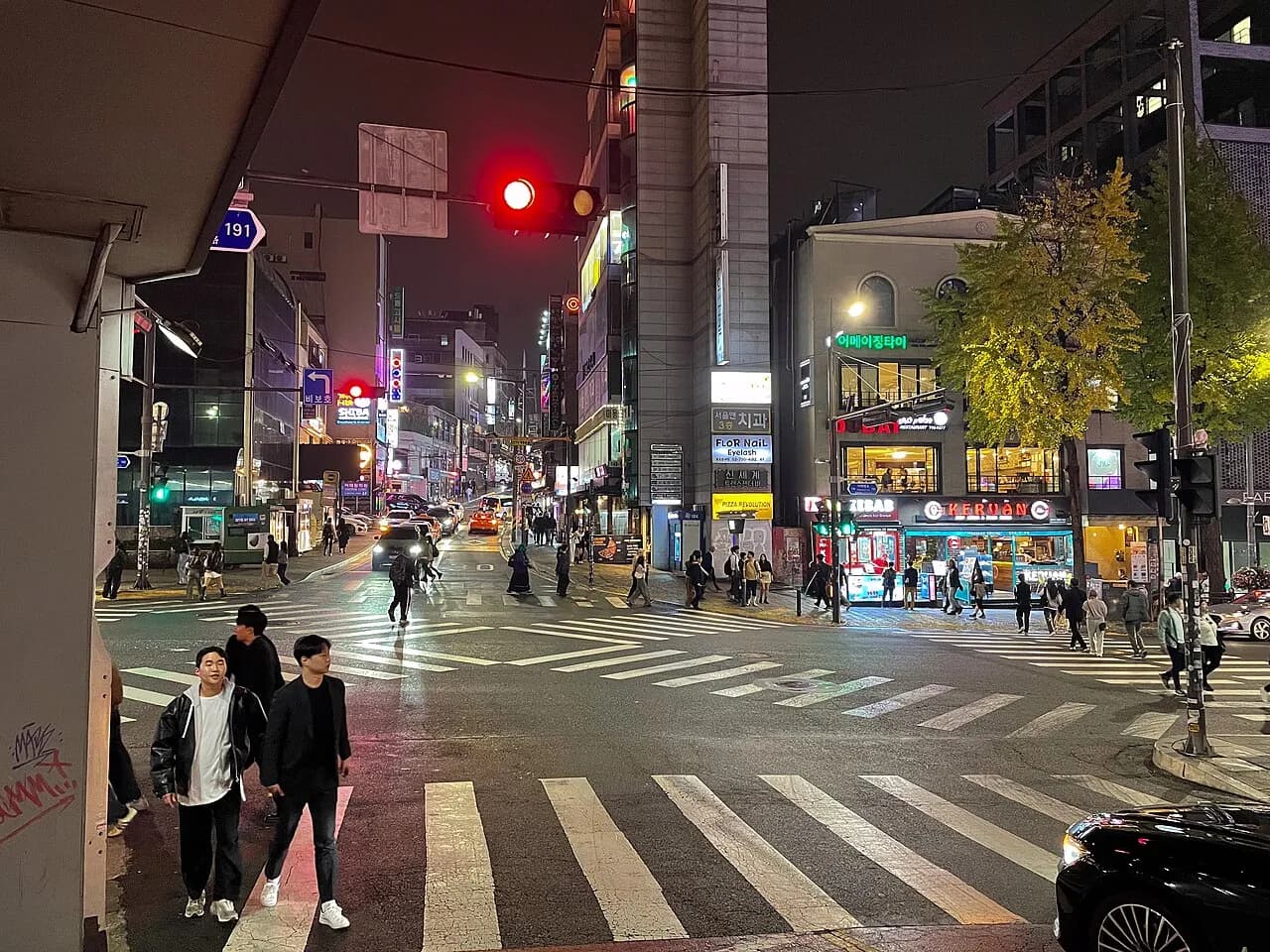
Itaewon & Hannam: Global Food, Rooftop Bars & Multicultural Seoul
Seoul's most international neighborhood — world cuisines, craft cocktails, Hannam's gallery scene, and Haebangchon's hilltop charm.
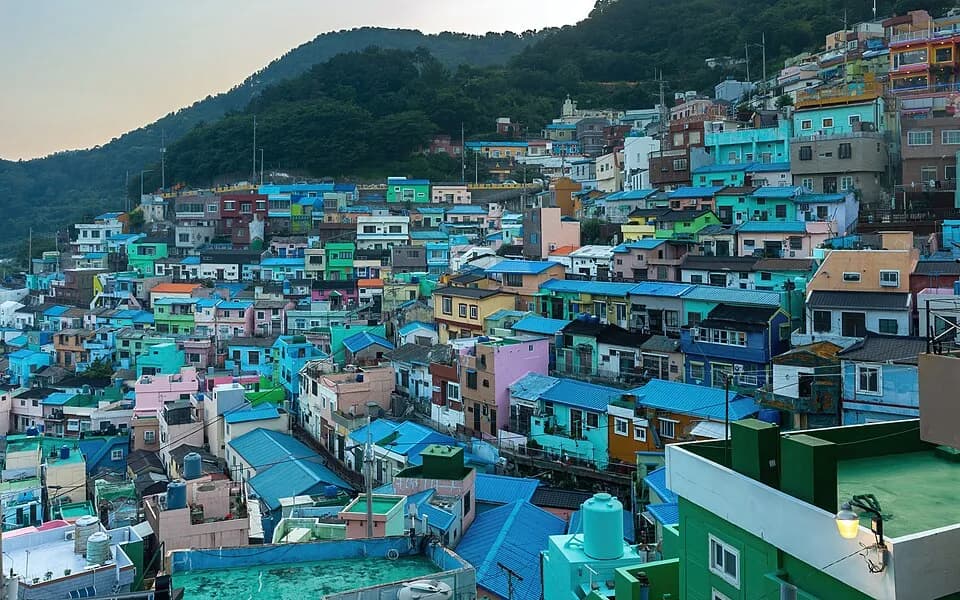
Gamcheon Culture Village, Nampo-dong & Jagalchi: Busan's Colorful Old Town
Busan's most photogenic hillside village, Korea's largest fish market, and the vibrant original downtown — art, seafood, and street food in one walk.
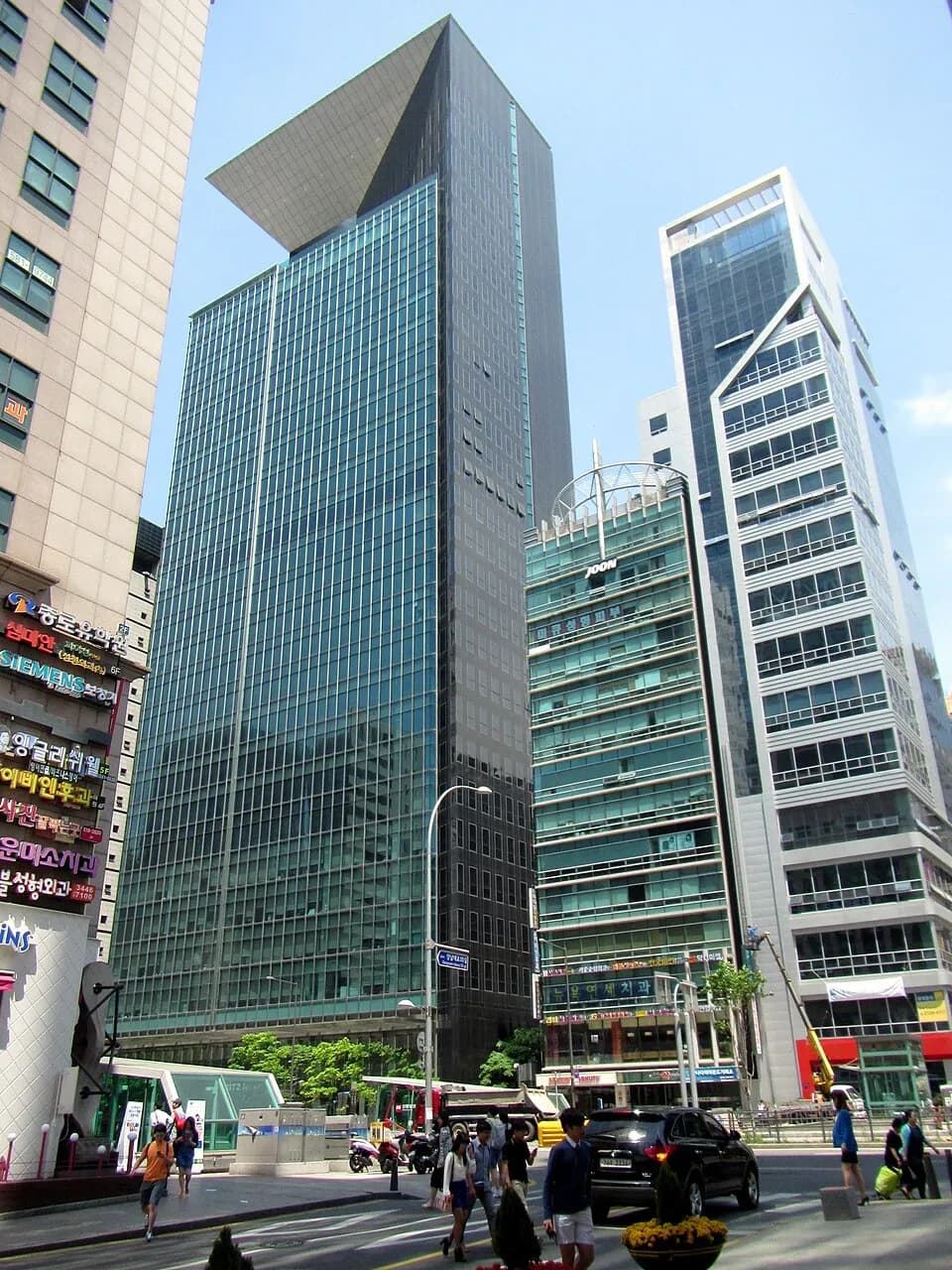
Gangnam & Garosu-gil: Upscale Shopping, Cafés & K-Pop Culture
Seoul's glitzy south side — luxury malls, tree-lined Garosu-gil, COEX, and the heart of K-pop.
Myeongdong & Namdaemun: Seoul's Shopping & Street Food Paradise
K-beauty flagships, sizzling street food, and Korea's oldest market — your complete guide to Myeongdong and Namdaemun in central Seoul.
Seoul 1-Day, 2-Day & 3-Day Model Itinerary
Practical day-by-day plans for Seoul — palaces, markets, K-pop, nightlife, and hidden gems organized by duration.
Where to Stay in Seoul: Best Areas for Every Traveler (2026)
A data-driven guide to the best neighborhoods in Seoul for first-time visitors, nightlife lovers, culture seekers, and K-pop fans. Compare Myeongdong, Hongdae, Jongno, Gangnam, and more.
Busan 1-Day & 2-Day Model Itinerary
Day-by-day plans for Busan — beaches, temples, fish markets, colorful villages, and the best seafood in Korea.
Haedong Yonggungsa & Taejongdae: Busan's Oceanside Temples & Cliffs
A seaside temple perched on ocean cliffs, Busan's dramatic southern peninsula, and peaceful Songjeong Beach — nature at its finest.
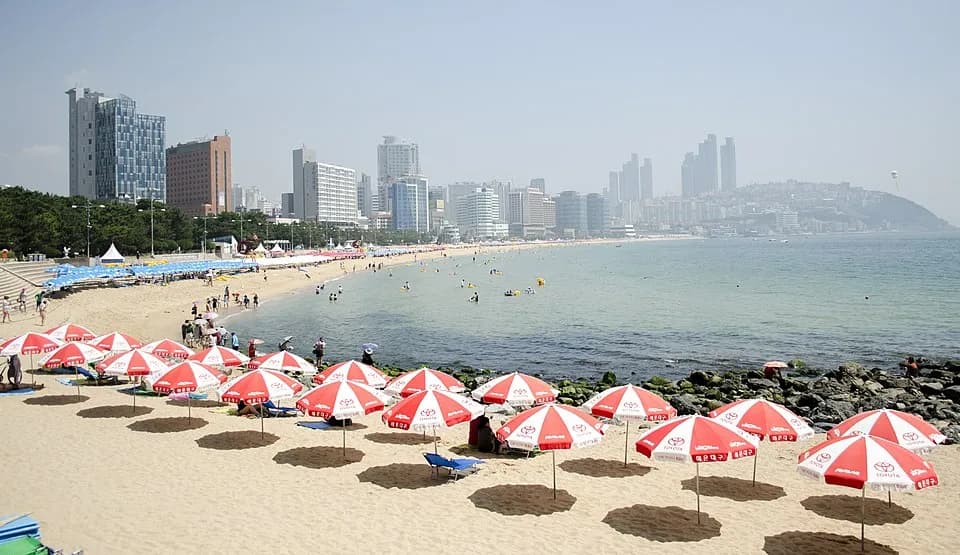
Haeundae & Gwangalli Beach: Sun, Seafood & Ocean Views
Korea's most famous beaches — Haeundae's white sand, Gwangalli's bridge night views, Dongbaek Island trail, and the freshest seafood in Busan.
Where to Stay in Busan: Best Areas for Every Traveler (2026)
A data-driven guide to the best neighborhoods in Busan for first-time visitors, beach lovers, foodies, and budget travelers. Compare Haeundae, Seomyeon, Nampo-dong, and Gwangalli.
Information such as prices, hours, and schedules may have changed. Please verify details on official websites before your visit.