Haedong Yonggungsa & Taejongdae: Busan's Oceanside Temples & Cliffs
2026-03-13
Guide to Action
Overview
While Busan is famous for its beaches and nightlife, the city's most unforgettable experiences lie along its rugged coastline — where ancient temples cling to sea cliffs and volcanic rock formations plunge into deep blue water. Haedong Yonggungsa (해동용궁사) and Taejongdae (태종대) represent Busan's spiritual and natural sides at their most dramatic, and together they make one of Korea's finest day trips.
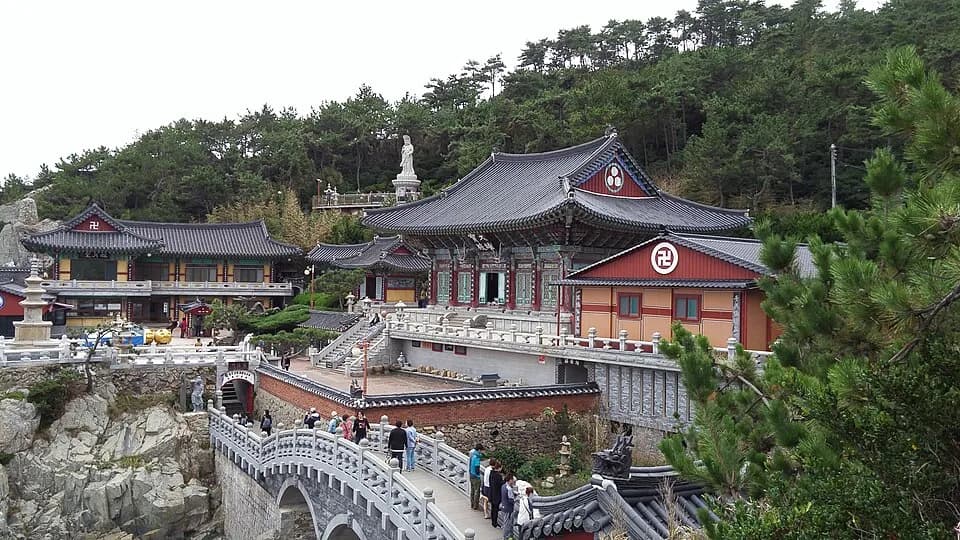
Haedong Yonggungsa is one of the only major Buddhist temples in Korea built directly on the ocean — most Korean temples sit high in the mountains. Here, the sound of crashing waves replaces the usual mountain silence, and the main Buddha hall gazes out over the endless East Sea. Just across the city on Yeongdo Island, Taejongdae is a sprawling natural park of sheer coastal cliffs, ancient forests, and a lighthouse where, on clear days, you can see all the way to Japan's Tsushima Island.
Between these two landmarks, the quiet surfer town of Songjeong Beach offers a laid-back contrast — local cafes, gentle waves, and golden sunsets without the Haeundae crowds.
Best for: Nature lovers, photographers, temple enthusiasts, travelers seeking Busan beyond the beach, anyone who loves dramatic coastal scenery.
One of Korea's most beautiful temples — perched on a cliff overlooking the East Sea, with waves crashing against the rocks below.
Getting There
Both Haedong Yonggungsa and Taejongdae are on opposite ends of Busan, but each is accessible by bus from the Haeundae area. They combine well into a single full-day itinerary.
| Destination | From Haeundae | Route | Time |
|---|---|---|---|
| Haedong Yonggungsa | Haeundae Station | Bus 181 to Yonggungsa (용궁사) stop | ~30 min |
| Taejongdae | Haeundae Station | Metro Line 2 to Nampo, then Bus 101 or 30 | ~70 min |
| Songjeong Beach | Haeundae Station | Metro Line 2 to Songjeong Station, walk 5 min | ~15 min |
| Taejongdae | Busan Station | Bus 88 or 101 from Yeongdo | ~40 min |
Suggested day plan: Start with Haedong Yonggungsa in the early morning (before 9am for fewer crowds), head to Songjeong Beach for a mid-morning coffee break, then take the metro across town to Taejongdae for the afternoon. This east-to-southwest route follows a natural flow.
Haedong Yonggungsa
History & Significance
Haedong Yonggungsa was originally founded in 1376 by the great monk Naong during the Goryeo dynasty. According to legend, Naong received a divine vision — the Great King of the East Sea appeared and told him to build a temple at this cliffside location, promising that anyone who prayed here with sincerity would have their wishes granted. The temple was destroyed during the Japanese invasions and lay in ruins for centuries before being fully rebuilt in 1930 by Monk Jeongam, who had his own vision calling him to restore the site.
Unlike the vast majority of Korean Buddhist temples, which are tucked deep into mountain valleys, Haedong Yonggungsa sits directly on the rocky ocean shore. This makes it utterly unique — the rhythmic crash of waves against the cliff face provides a natural soundtrack that replaces the mountain silence found at most Korean temples.
What to See
The experience begins at the top of the cliff, where a golden Healing Buddha statue greets visitors. From here, you descend the famous 108 stone steps — the number represents the 108 earthly agonies in Buddhist belief. Along the stairway, twelve stone zodiac statues line the path, each beautifully carved. Find your birth year animal for a photo.
At the bottom, the temple complex opens up along the waterline:
- Daeungjeon (Main Buddha Hall): The central worship hall, positioned so that the ocean serves as its backdrop. During stormy weather, waves spray the lower walls — an extraordinary sight.
- Yongseon Bridge (Wishing Bridge): Cross this small stone bridge while making a wish. Locals believe that sincere prayers made here are answered.
- Haesugwaneumdaebul: A large white stone Bodhisattva statue gazing serenely over the sea. One of the temple's most photographed features.
- Golden Lion Statue: Touch this lion to receive good fortune — it's said to grant a single wish to each visitor.
- Sunrise Viewing Platform: The temple is one of Busan's most celebrated New Year's sunrise locations. Thousands gather on January 1st to watch the first sunrise of the year rise directly over the East Sea. Even on ordinary days, the dawn light here is magical.
Admission is free. Allow 1 to 1.5 hours for a thorough visit including the descent, exploring the temple grounds, and climbing back up. Wear comfortable shoes — the 108 steps are manageable but can be slippery when wet.
Taejongdae
Taejongdae
Taejongdae Resort Park
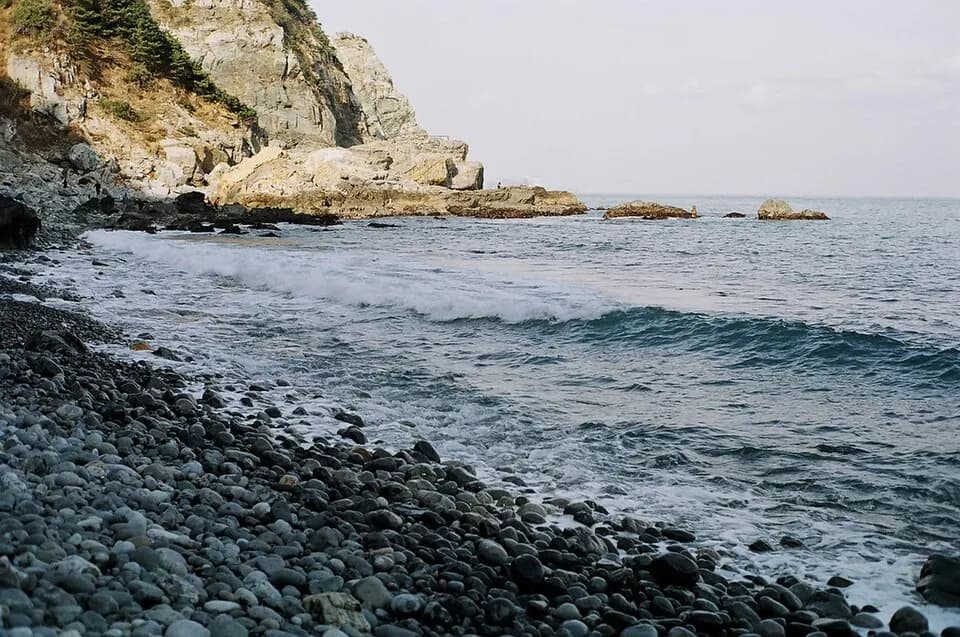
A dramatic natural park on the southern tip of Yeongdo Island, with sheer coastal cliffs, a lighthouse, ancient forests, and views stretching to Japan on clear days.
About the Park
Taejongdae is a designated natural monument covering the southern tip of Yeongdo Island, connected to mainland Busan by bridge. The park is named after King Taejong Muyeol of the Silla dynasty (7th century), who was so captivated by the area's beauty that he would come here to practice archery and admire the scenery.
The park covers a rugged coastline of volcanic and sedimentary cliffs that drop 100 meters into swirling blue-green water. The interior is dense with camellia trees, pines, and over 200 species of plants — a genuine urban forest that feels worlds away from the city.
Danubi Train
The easiest way to explore Taejongdae is the Danubi Train (다누비열차), a small tourist tram that loops through the park with several hop-on, hop-off stops at key viewpoints. The ride takes about 30 minutes without stops, but you'll want to get off and explore.
- Fare: ~₩3,000 (adults)
- Operates: 9:20–17:00 (extended in summer)
- Frequency: Every 15–20 minutes
Alternatively, the full coastal walking trail is a scenic 4km loop that takes approximately 2 hours on foot. The trail is well-paved and manageable for most fitness levels, winding through forest and along cliff edges with periodic ocean panoramas.
Key Sights
- Yeongdo Lighthouse (영도등대): A white lighthouse perched on the cliff edge, offering panoramic ocean views. On exceptionally clear days, you can see Tsushima Island, Japan — roughly 50km across the Korea Strait.
- Cliff Observatory: The main observation deck with vertigo-inducing views straight down sheer rock walls into churning seas. The layered rock strata visible in the cliff face tell millions of years of geological history.
- Sinseondae Rock (신선대): A flat rocky outcropping where, according to legend, Taoist immortals (sinseondo) would descend from heaven to enjoy the scenery. It remains one of the park's most peaceful spots.
- Taejongsa Temple (태종사): A small temple within the park, less famous than Yonggungsa but beautifully set among the trees.
- Camellia Forest: Taejongdae is one of Busan's best spots for winter camellia blossoms (December–February). The red flowers against the dark green forest and blue ocean make a striking combination.
Taejongdae is most rewarding on clear days — the cliff views and the chance of seeing Tsushima Island depend on visibility. Check the weather forecast before visiting. Foggy days have their own moody beauty, but you'll miss the long-distance views.
Songjeong Beach
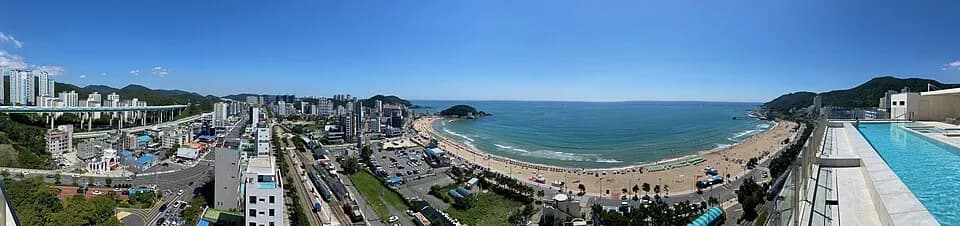
A relaxed, locals-favorite beach near Haeundae with a thriving surf culture, beachside cafes, and beautiful sunsets — Busan without the crowds.
Tucked just east of Haeundae, Songjeong Beach is the antidote to Busan's busier stretches of sand. The crescent-shaped bay catches consistent, gentle waves that have made it the heart of Busan's growing surf culture — you'll spot board-carrying locals year-round. Several surf schools offer lessons for beginners (around ₩50,000 for a 2-hour class including board and wetsuit rental).
The real charm, though, is the atmosphere. The beachside cafe street running parallel to the shore is lined with independent coffee shops, brunch spots, and small galleries. It has the feel of a seaside village rather than a major city beach. Songjeong is also one of Busan's best spots for sunset — the sun drops behind the headlands to the west, painting the sky in shades of pink and orange.
Don't miss Jukdo Park (죽도공원), a small forested headland at the eastern end of the beach connected by a walking path. The 15-minute loop trail offers elevated views over Songjeong Bay and the coastline stretching toward Haedong Yonggungsa.
Food & Local Flavors
Near Haedong Yonggungsa
- Gijang Crab Village (기장대게마을): Just north of the temple in Gijang-gun, this cluster of seafood restaurants specializes in enormous snow crab (대게). A full crab set runs ₩40,000–80,000 per person depending on season and size. Best from November to March when the crabs are fattest.
- Abalone Porridge (전복죽): Several small restaurants near the temple parking area serve rich, savory jeonbok-juk — rice porridge slow-cooked with fresh local abalone. Around ₩12,000–15,000 per bowl. A perfect warm breakfast before exploring the temple.
Near Taejongdae
- Taejongdae Seafood Restaurants: Along the road leading to the park entrance, a row of restaurants serves fresh hoe (raw fish), grilled shellfish, and haemul-tang (spicy seafood stew). Budget ₩15,000–30,000 per person for a satisfying meal.
Songjeong Cafe Street
- Surf-themed cafes line the beachfront with ocean views and excellent coffee (Americano ₩4,500–6,000). Many serve brunch — eggs, toast, and smoothie bowls with a beach view.
- For something more substantial, try Songjeong Halmae Gimbap — a no-frills local shop known for its handmade gimbap rolls stuffed with fresh ingredients. Around ₩4,000 per roll.
Tips & Best Times
Timing Your Day
- Haedong Yonggungsa: Arrive before 9:00am to experience the temple in relative solitude. By mid-morning, tour buses begin arriving and the narrow paths get crowded. Sunrise visits are spectacular but require very early starts.
- Taejongdae: Best enjoyed on clear days with good visibility. Afternoon light is ideal for the cliff-side viewpoints and lighthouse photos.
- Songjeong: Most atmospheric in the late afternoon through sunset. The golden hour light on the beach and surrounding hills is exceptional.
Suggested Full-Day Route
- 7:00–8:30 — Haedong Yonggungsa (early morning, minimal crowds)
- 9:00 — Abalone porridge breakfast near the temple
- 10:00–11:00 — Songjeong Beach and cafe break
- 12:00 — Metro/bus to Yeongdo
- 13:00–15:30 — Taejongdae (Danubi Train + walking)
- 16:00 — Seafood lunch/late lunch near Taejongdae
- 17:30 — Return to Haeundae
Seasonal Notes
- Spring (March–May): Cherry blossoms frame the temple steps. Taejongdae's forests turn lush green. Ideal weather for walking.
- Summer (June–August): Hot and humid. Songjeong Beach is lively with surfers. Visit temples and cliffs early to beat the heat.
- Autumn (September–November): Crisp air and clear skies make this the best season for Taejongdae's long-distance views. Crab season begins in November.
- Winter (December–February): Fewer tourists, moody ocean scenery. Camellia blossoms at Taejongdae. Haedong Yonggungsa's New Year sunrise is the highlight event.
Where to Stay
The Haeundae area is the most practical base for visiting all three locations — it sits between Songjeong/Haedong Yonggungsa to the east and Taejongdae to the southwest, with excellent metro and bus connections in both directions. The neighborhood offers everything from luxury beachfront hotels to budget guesthouses.
Plan Your Stay
Add these spots to your trip, then find the best hotel area near all of them.
FAQ
More to explore nearby:
A locals-favorite beach with a thriving surf culture, independent cafes, and stunning sunsets — just a short ride from Haeundae, but a world apart in atmosphere.
Find the best hotel area for this guide
3 spots are already loaded so you can refine the hotel base below.
Plan Your Stay
Add these spots to your trip, then find the best hotel area near all of them.
More Guides
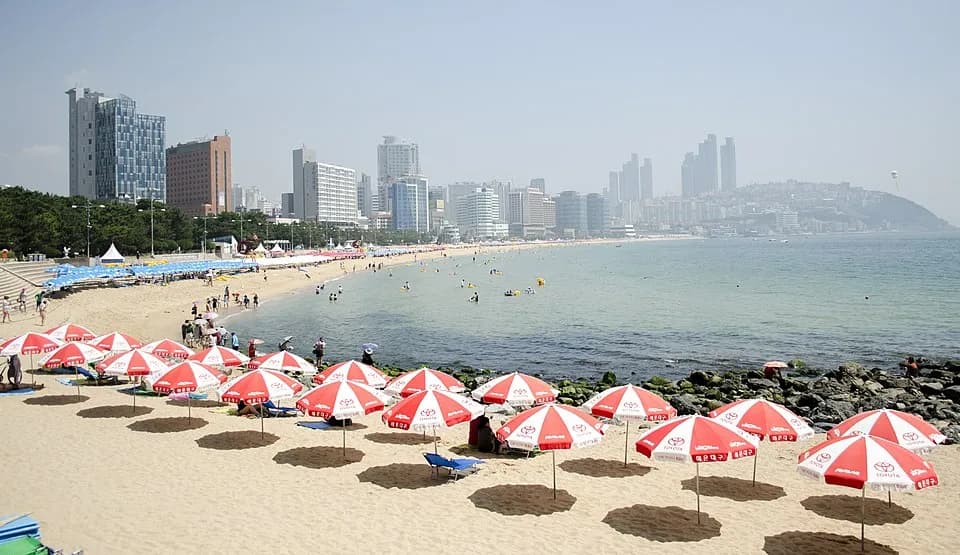
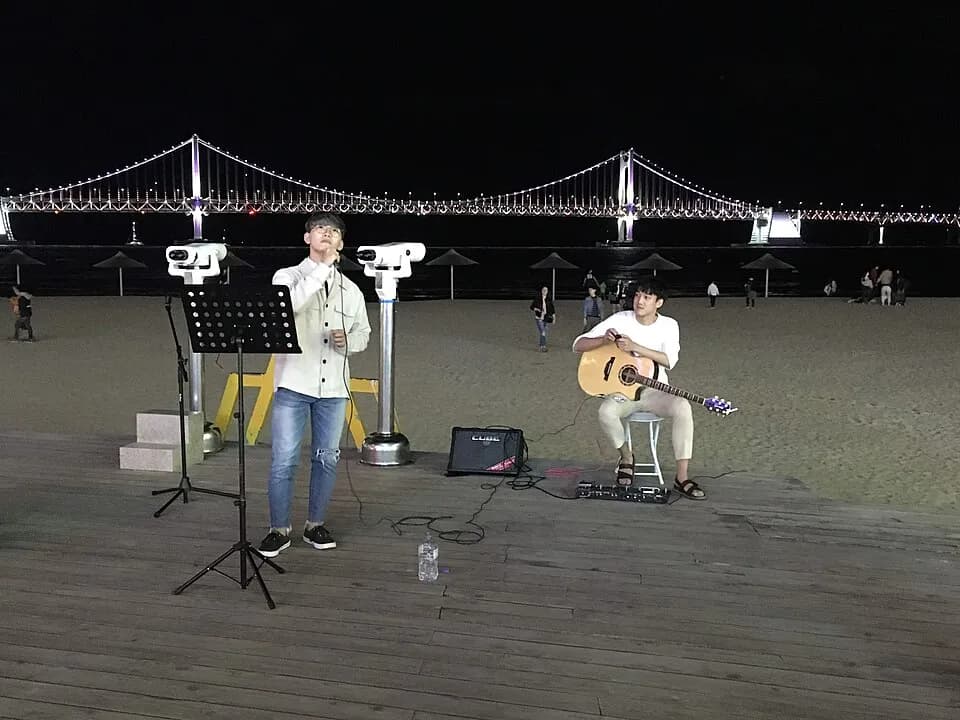
Haeundae & Gwangalli Beach: Sun, Seafood & Ocean Views
Korea's most famous beaches — Haeundae's white sand, Gwangalli's bridge night views, Dongbaek Island trail, and the freshest seafood in Busan.
Busan 1-Day & 2-Day Model Itinerary
Day-by-day plans for Busan — beaches, temples, fish markets, colorful villages, and the best seafood in Korea.
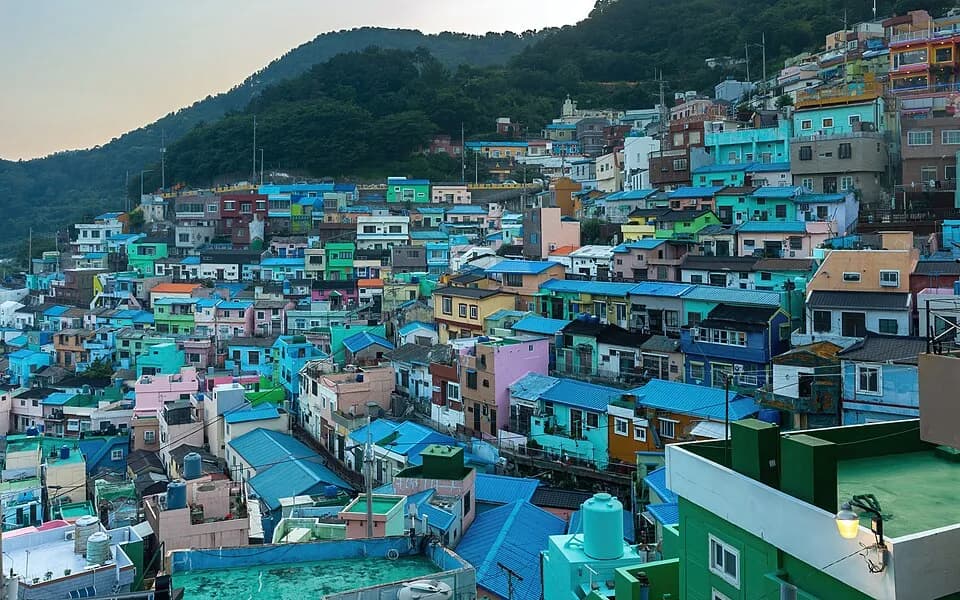
Gamcheon Culture Village, Nampo-dong & Jagalchi: Busan's Colorful Old Town
Busan's most photogenic hillside village, Korea's largest fish market, and the vibrant original downtown — art, seafood, and street food in one walk.
Where to Stay in Busan: Best Areas for Every Traveler (2026)
A data-driven guide to the best neighborhoods in Busan for first-time visitors, beach lovers, foodies, and budget travelers. Compare Haeundae, Seomyeon, Nampo-dong, and Gwangalli.
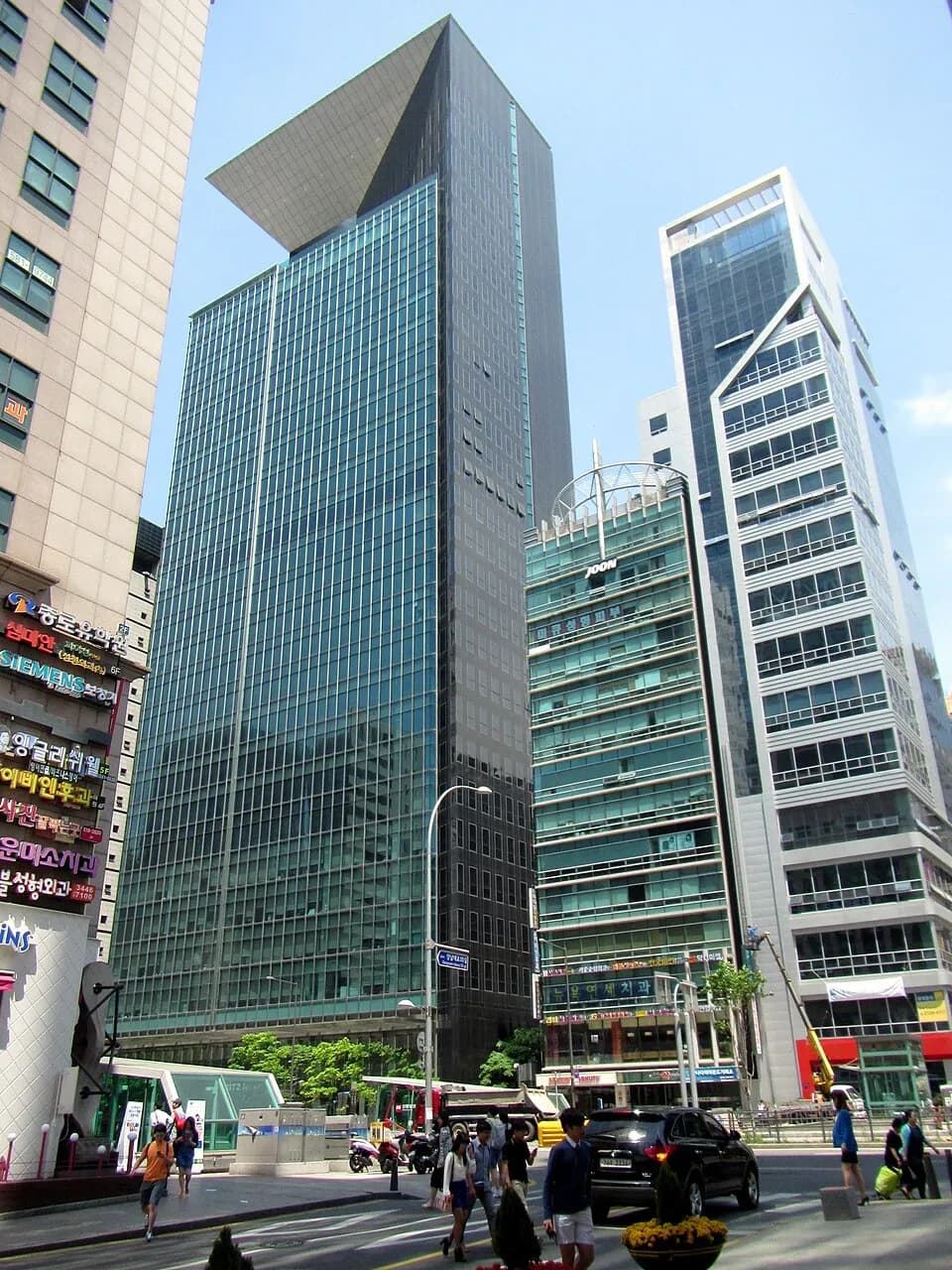
Gangnam & Garosu-gil: Upscale Shopping, Cafés & K-Pop Culture
Seoul's glitzy south side — luxury malls, tree-lined Garosu-gil, COEX, and the heart of K-pop.
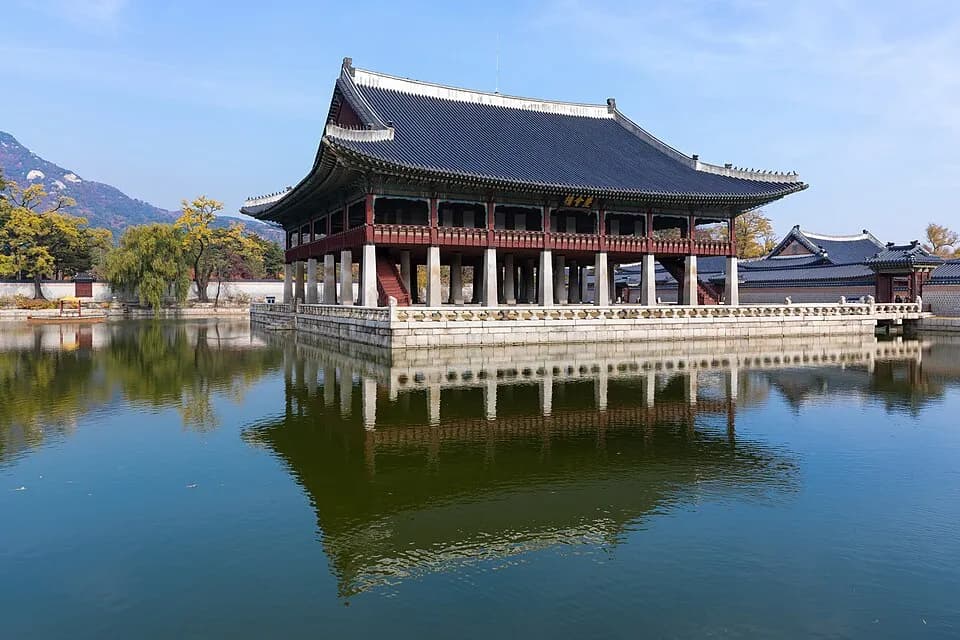
Gyeongbokgung Palace & Bukchon Hanok Village: The Complete Seoul Heritage Guide
A detailed guide to Seoul's most iconic royal palace and traditional hanok neighborhood — access, highlights, hanbok tips, nearby cafes, and where to stay.
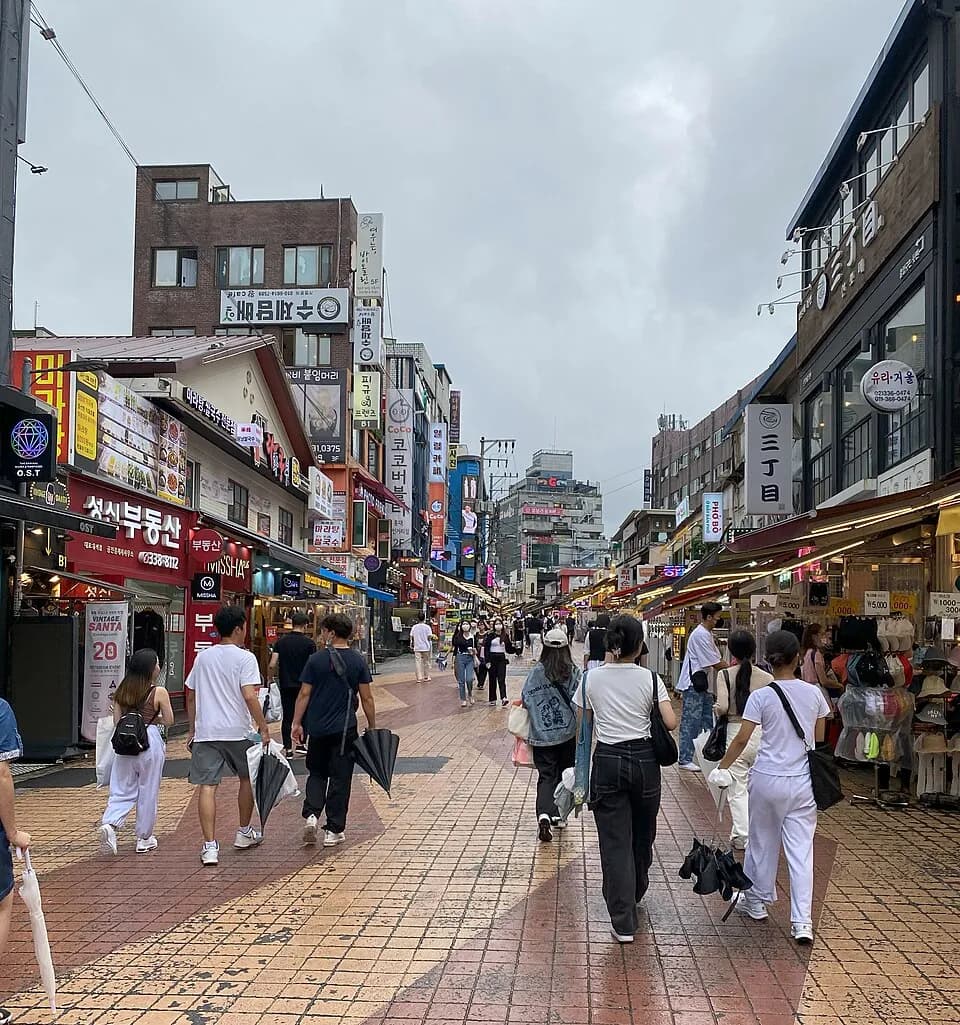
Hongdae & Yeonnam-dong: Indie Culture, Cafes & Nightlife
Seoul's vibrant youth hub — street performances, indie shops, craft cafes, and Korea's best nightlife scene.
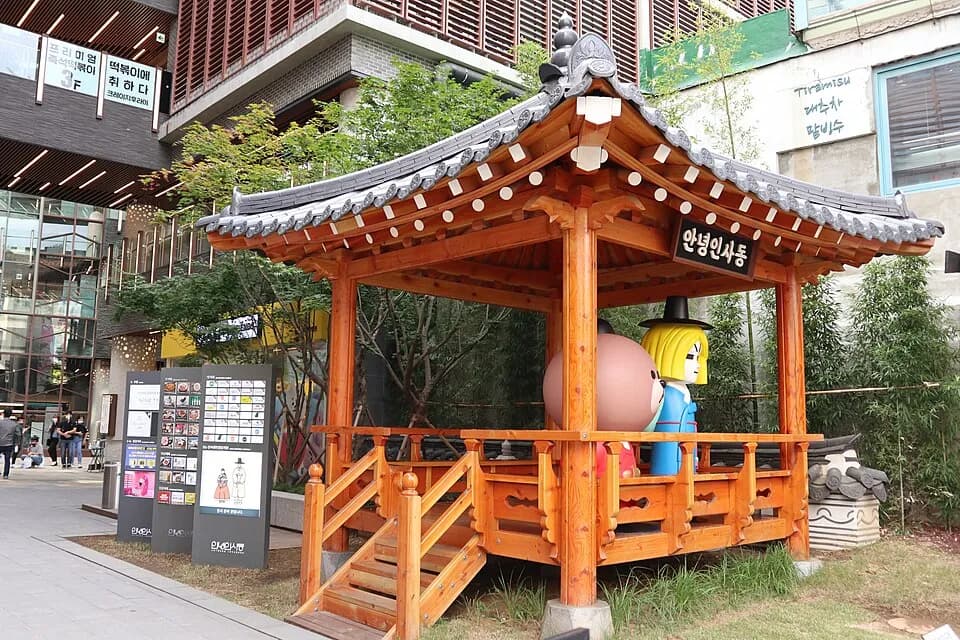
Insadong & Jongno: Traditional Tea Houses, Galleries & Cheonggyecheon
Seoul's cultural heartland — antique shops, traditional tea, Changdeokgung's Secret Garden, and the revitalized Cheonggyecheon Stream.
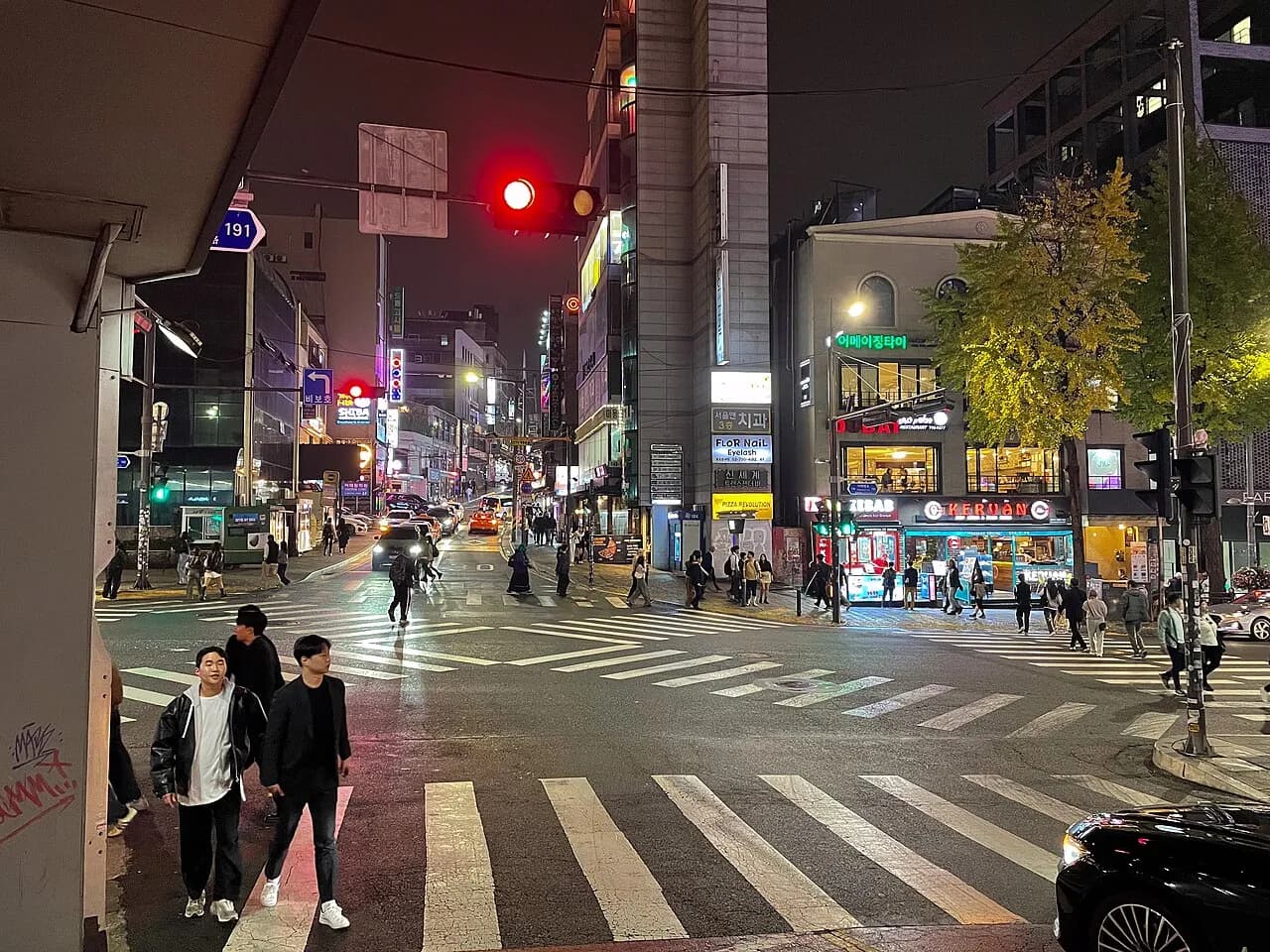
Itaewon & Hannam: Global Food, Rooftop Bars & Multicultural Seoul
Seoul's most international neighborhood — world cuisines, craft cocktails, Hannam's gallery scene, and Haebangchon's hilltop charm.
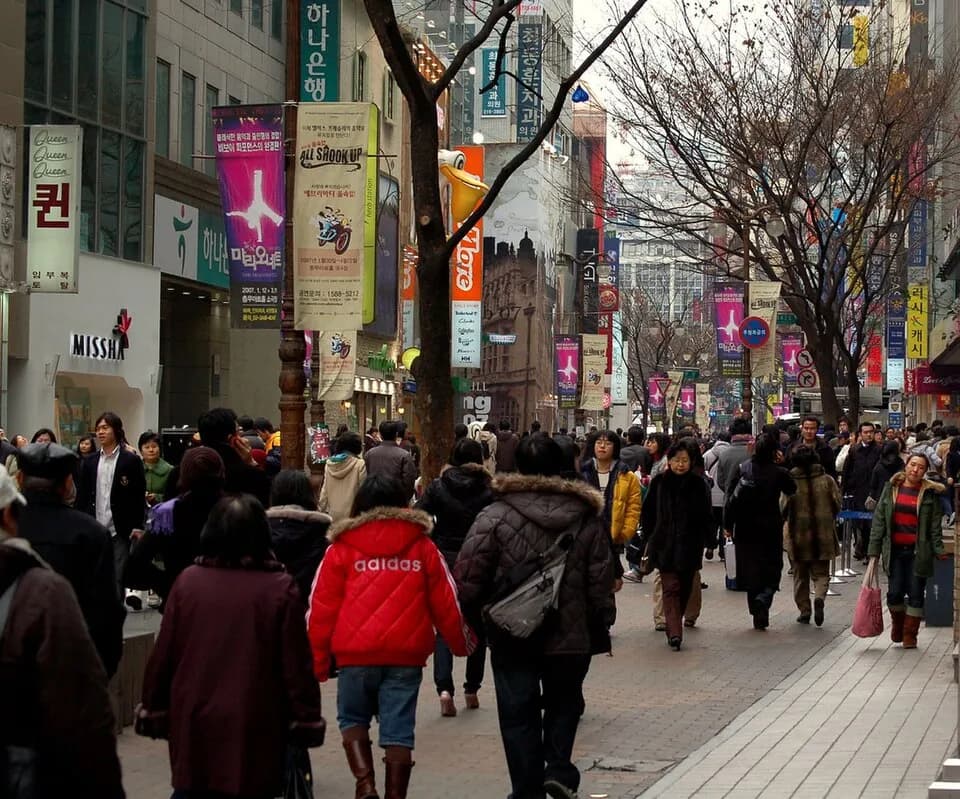
Myeongdong & Namdaemun: Seoul's Shopping & Street Food Paradise
K-beauty flagships, sizzling street food, and Korea's oldest market — your complete guide to Myeongdong and Namdaemun in central Seoul.
Seoul 1-Day, 2-Day & 3-Day Model Itinerary
Practical day-by-day plans for Seoul — palaces, markets, K-pop, nightlife, and hidden gems organized by duration.
Where to Stay in Seoul: Best Areas for Every Traveler (2026)
A data-driven guide to the best neighborhoods in Seoul for first-time visitors, nightlife lovers, culture seekers, and K-pop fans. Compare Myeongdong, Hongdae, Jongno, Gangnam, and more.
Information such as prices, hours, and schedules may have changed. Please verify details on official websites before your visit.